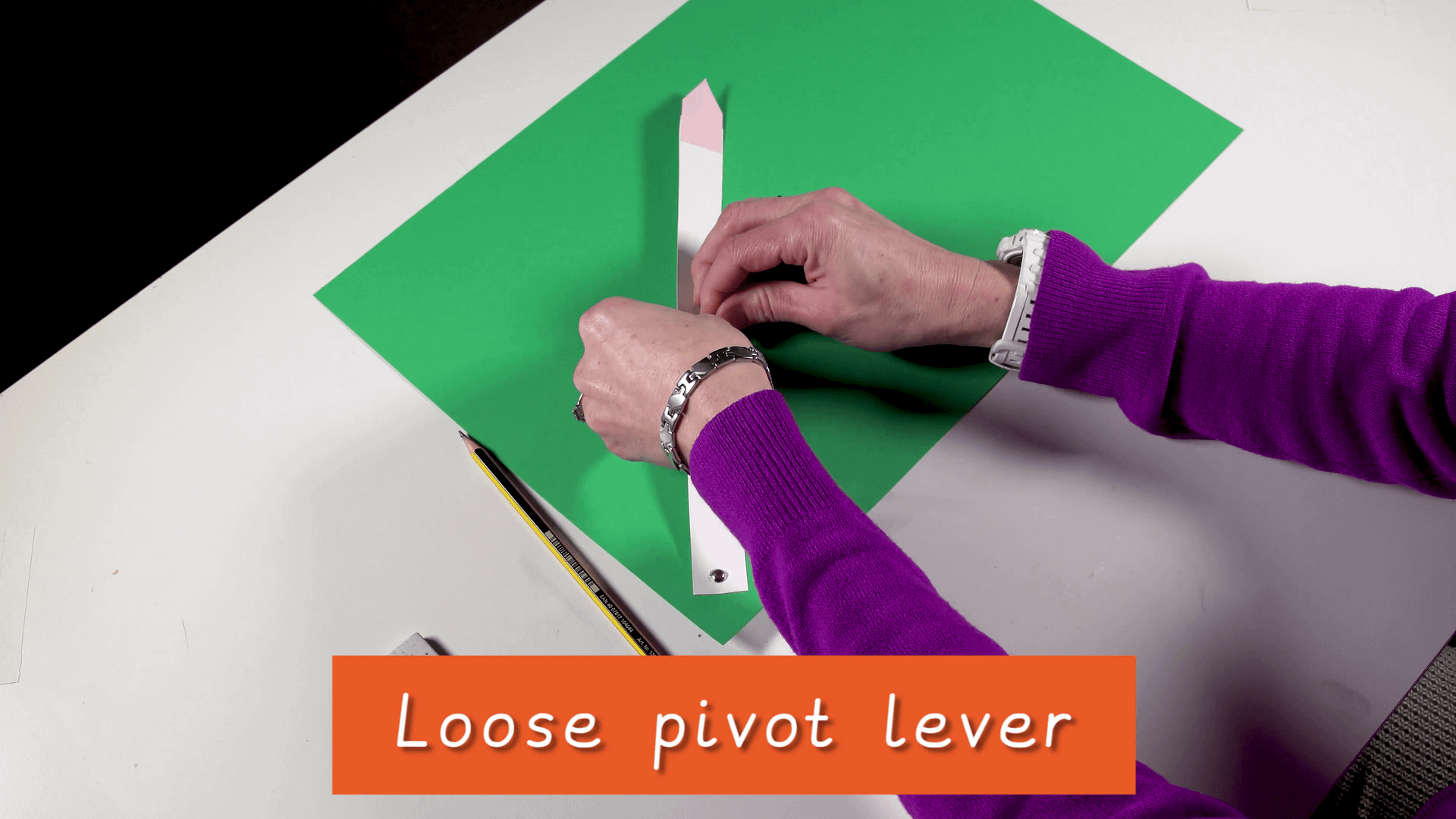
This Design and Technology video introduces teachers to the fundamentals of pop-up book mechanisms, equipping them with the knowledge to guide Year 5 pupils in constructing interactive and engaging books. It covers an introduction to sliders, demonstrating how spacers help control movement and the importance of using layers to conceal mechanisms while ensuring functionality. Teachers will learn practical steps for building, assembling, and securing moving parts.
This video is part of Design and Technology, Year 5, Mechanical Systems: Making a Pop-up Book unit. It simplifies complex construction techniques.

This Design and Technology video introduces teachers to the fundamentals of pop-up book mechanisms, equipping them with the knowledge to guide Year 5 pupils in constructing interactive and engaging books. It covers an introduction to sliders, demonstrating how spacers help control movement and the importance of using layers to conceal mechanisms while ensuring functionality. Teachers will learn practical steps for building, assembling, and securing moving parts, helping children understand how mechanical systems work in book design.
This video is part of Design and Technology, Year 5, Mechanical Systems: Making a Pop-up Book unit. It simplifies complex construction techniques, ensuring teachers feel confident and prepared to help children explore the engineering and design process behind pop-up books in the lesson and unit below.
Design and Technology key stage 2 scheme of work
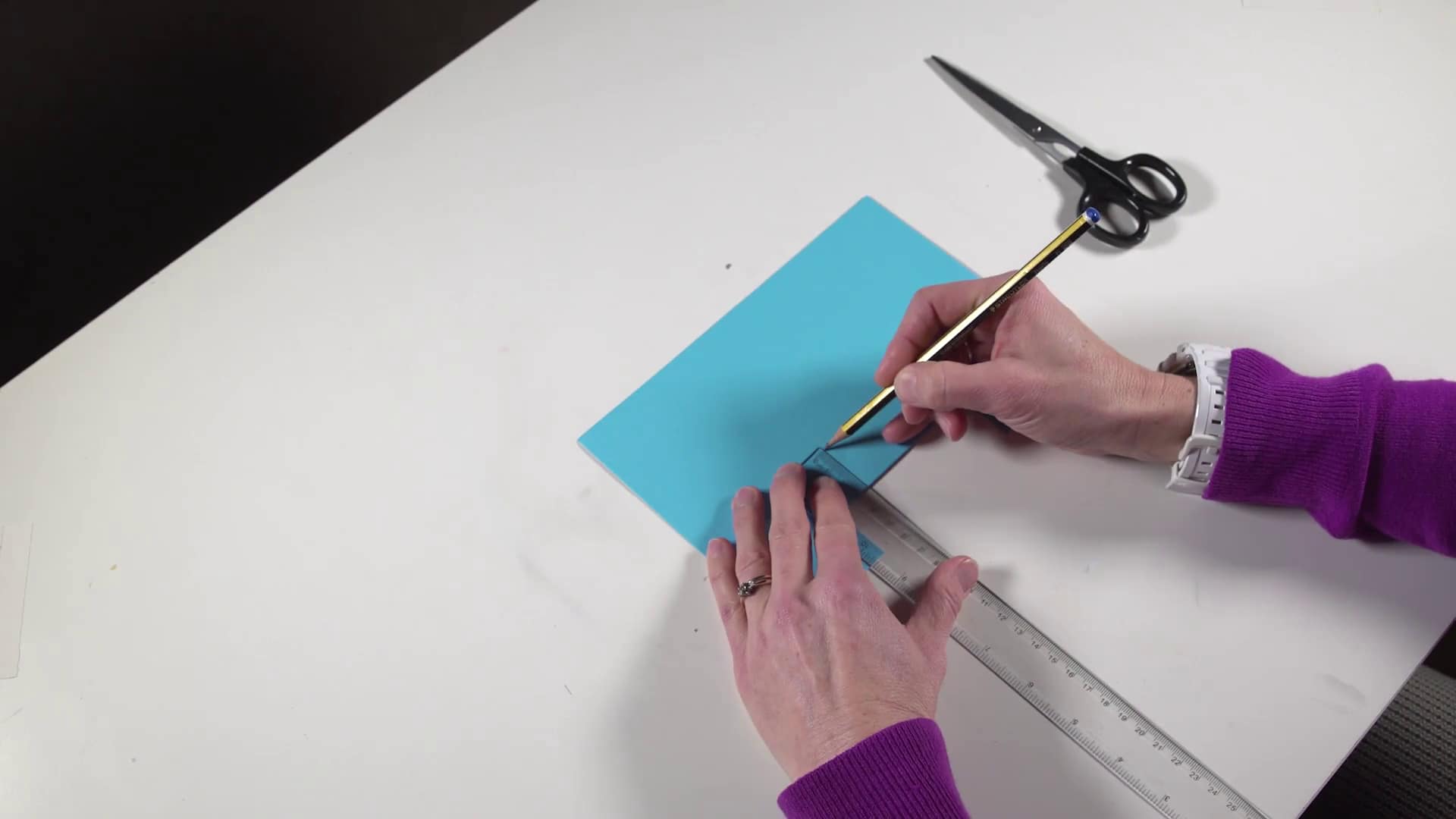
This video introduces key pop-up mechanisms, including sliders, levers and steps, and helps teachers demonstrate movement techniques that pupils can use when designing their own storybook pages.
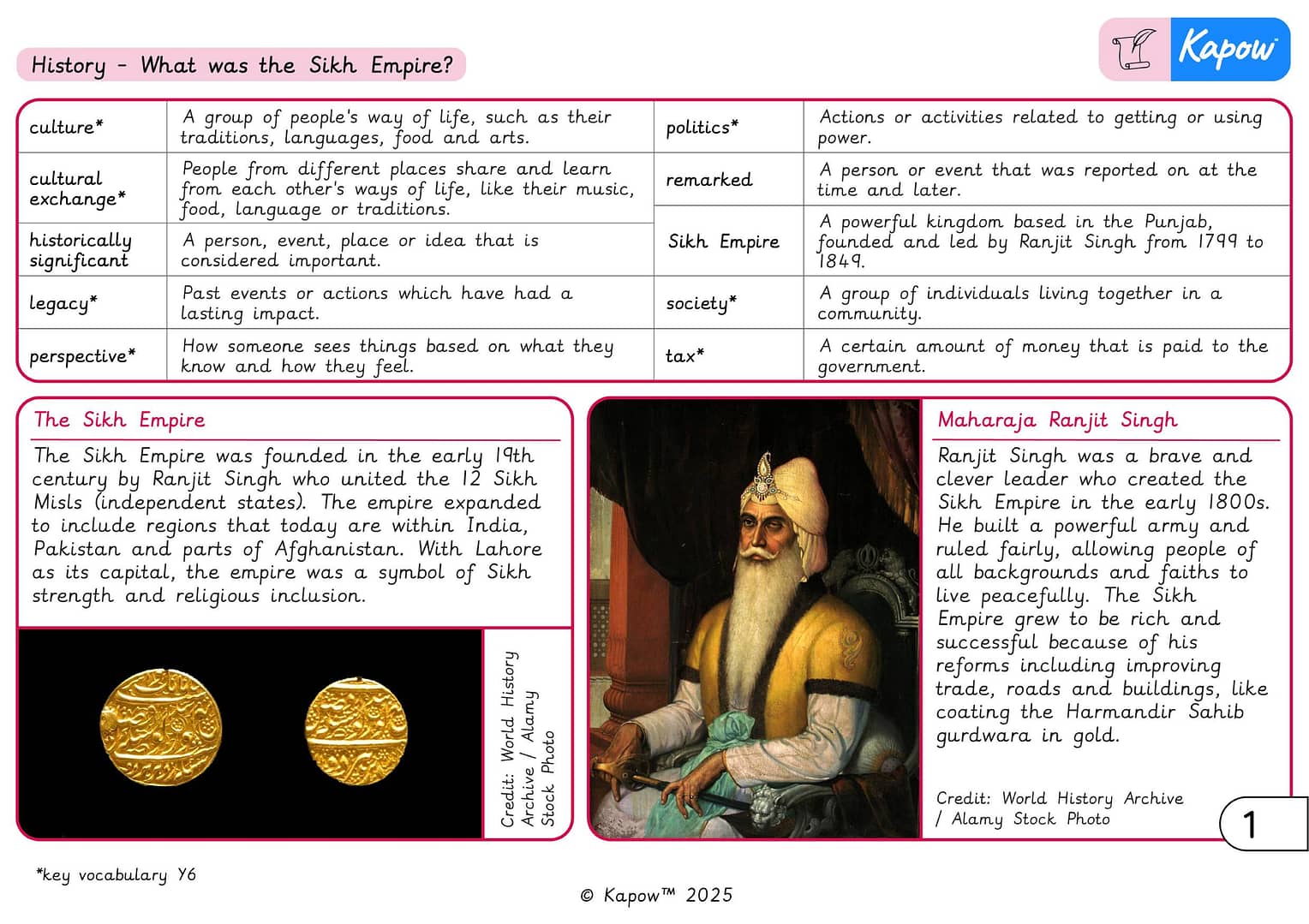
A Knowledge organiser that captures the essential knowledge and skills learnt throughout the unit History, Year 5/6 (B), What was the Sikh Empire?
This resource is designed to support children as they explore significant places and people in the Sikh Empire. It highlights key vocabulary, where the Punjab region was, why Lahore was significant to the Sikh Empire, who Maharaja Ranjit Singh was and what he achieved. It is perfect for consolidating essential knowledge and fostering cross-cultural understanding.
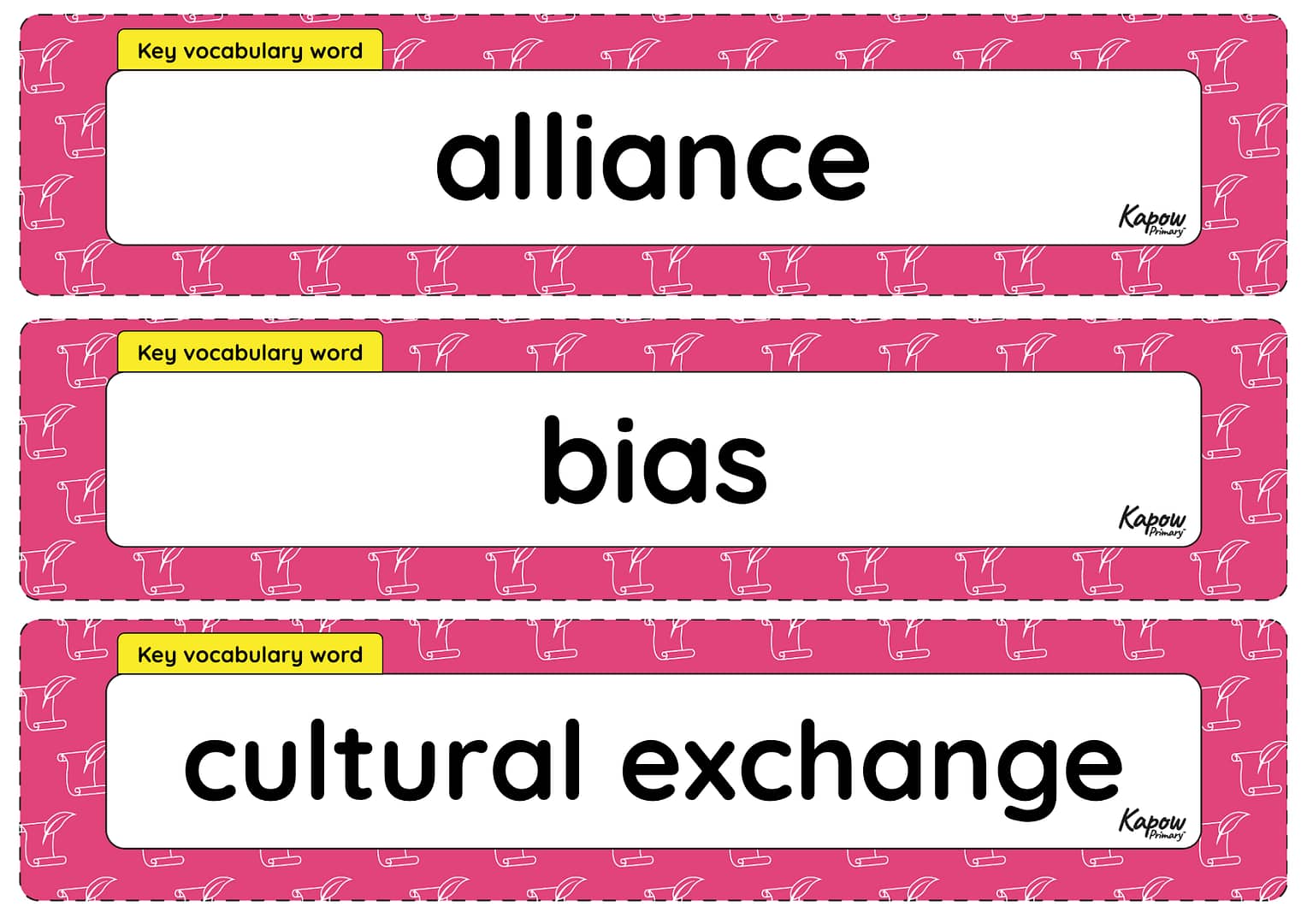
This unit vocabulary display includes keywords from the unit History, Year 5/6 (B), What was the Sikh Empire? and additional unit-specific words that may be helpful in a display.
Key vocabulary is clearly labelled on the display, highlighting essential words that the pupils are expected to retain and reuse in future units. Understanding these words enhances comprehension of the subject and supports progression.
See the full History: Progression of key vocabulary.
A well-structured curriculum is key to high-quality teaching and learning. In this recorded session, Caroline (Head of Curriculum Design) and Adam (Curriculum Designer) discuss essential curriculum principles, how they support effective teaching and how they have been used to design Kapow Primary subjects and curricula.
This session covers:
- Key considerations for designing a broad and balanced curriculum.
- The spiral curriculum model and progression across year groups.
- The benefits of subject-specific learning.
- Essential curriculum documents and how to use them.
- How Kapow Primary’s curriculum supports teaching and learning.
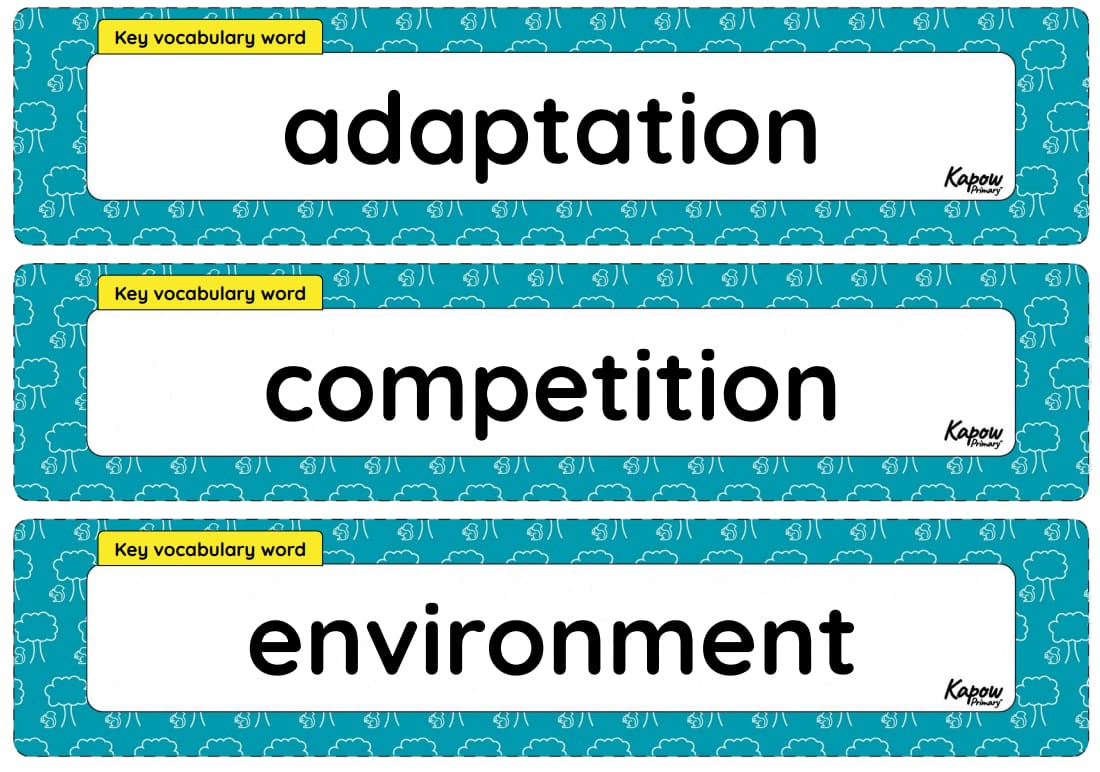
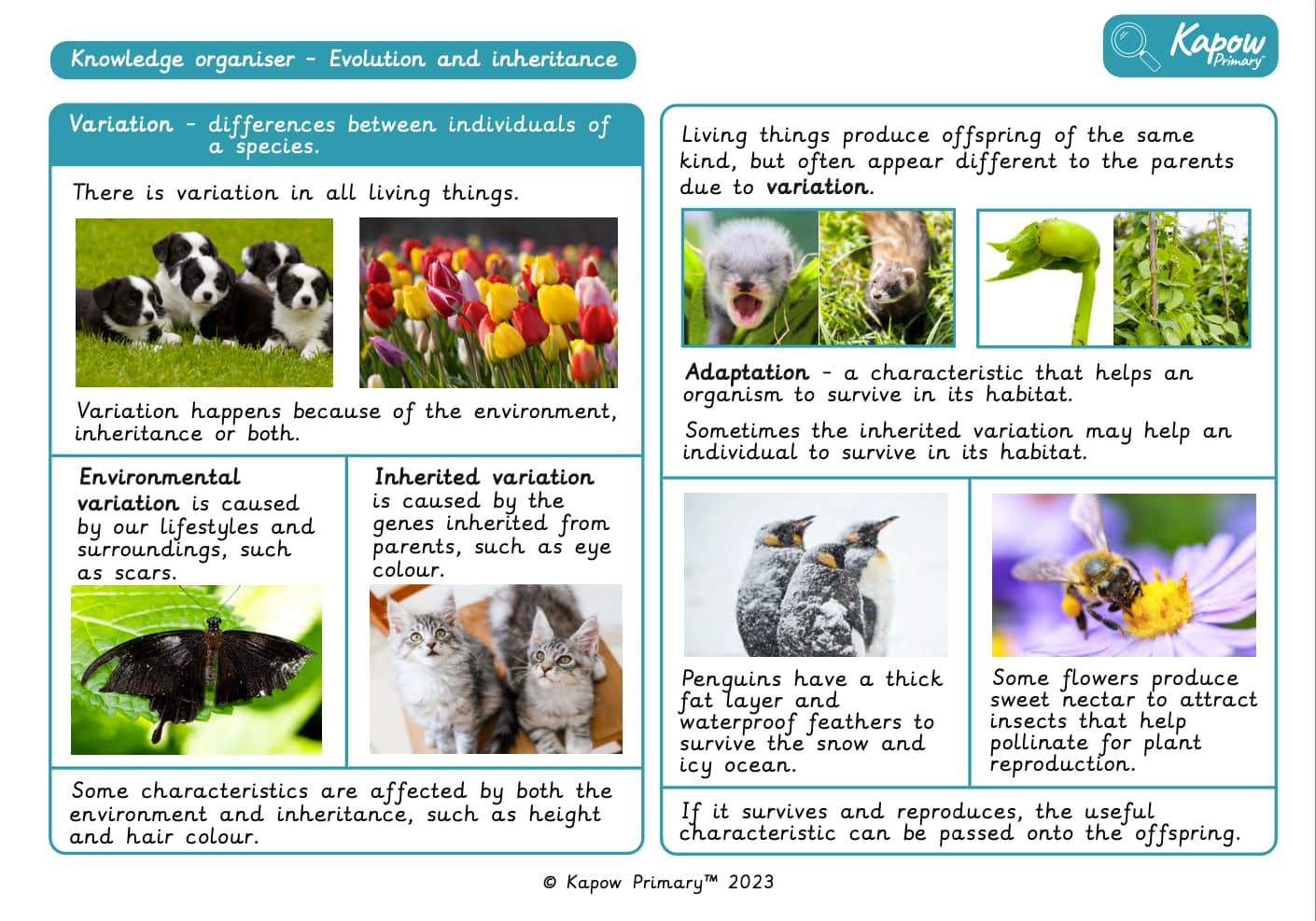
This unit vocabulary display includes key vocabulary from the mixed-age unit Science, Year 5/6 (B): Living things: Evolution and inheritance and additional unit-specific words.
Key vocabulary is clearly labelled on the display, highlighting essential words that the pupils are expected to retain and reuse in future units. Understanding these words enhances comprehension of the subject and supports understanding of key scientific concepts and processes.
See the full Science: Progression of key vocabulary.