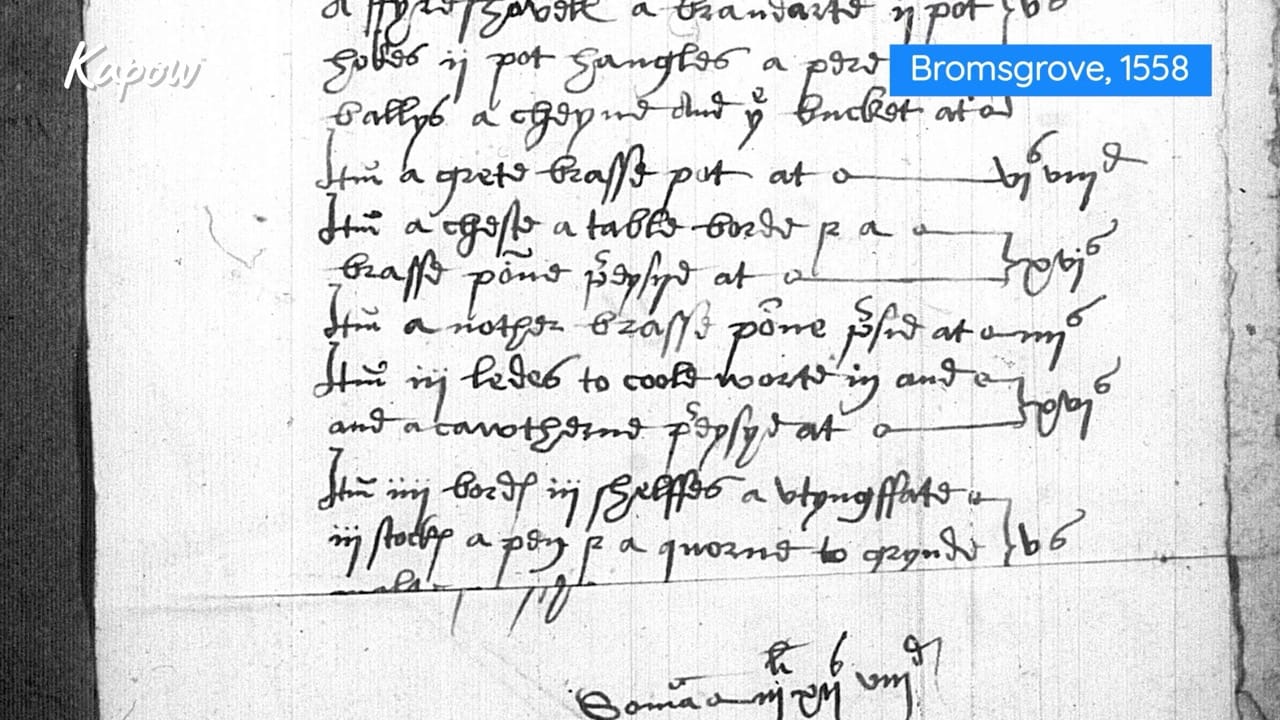
This History video helps teachers introduce Tudor inventories as valuable historical sources. It explains how inventories recorded a person’s possessions after death and what they reveal about Tudor life, work and social status.
This video is part of Kapow Primary’s History – Teacher subject knowledge videos. It explores examples like Richard Lylly and Cattelena of Almondsbury, encouraging children to investigate wealth and occupation using historical evidence and apply their understanding by creating an inventory for John Blanke.
History, What was life like in Tudor England?, Year 5, What can inventories tell us about life in Tudor times?
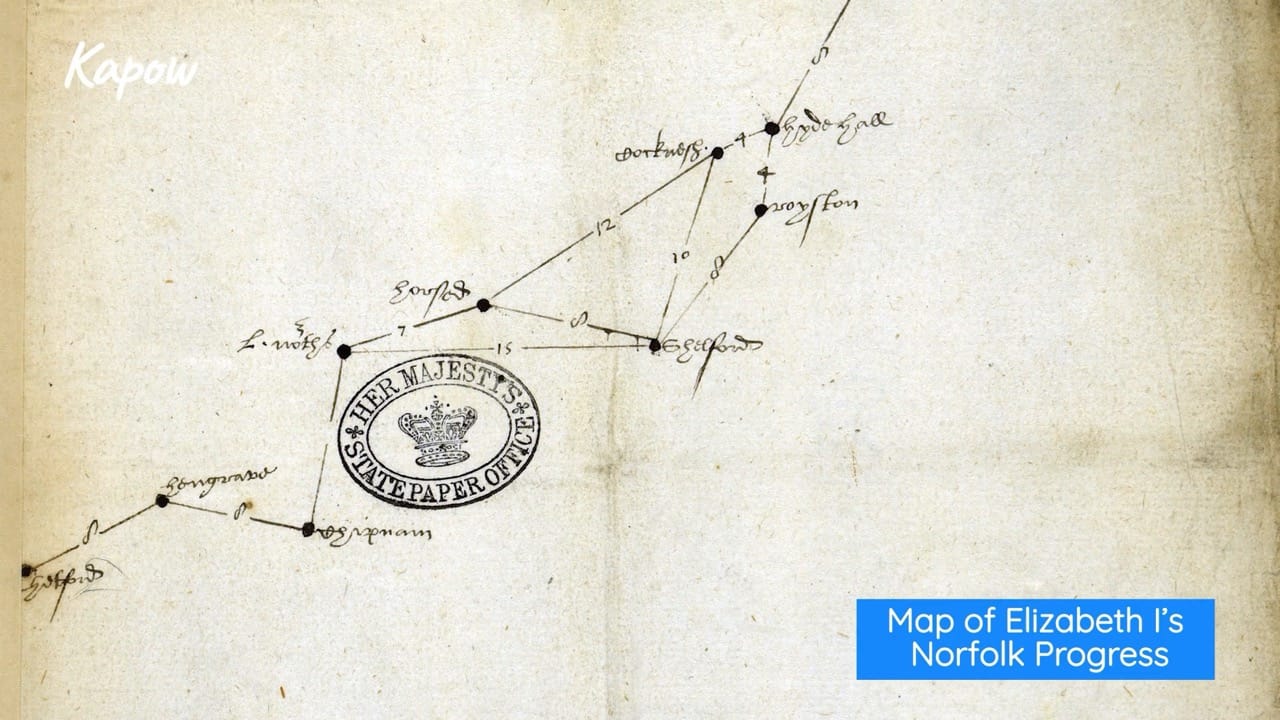
This video supports teachers in understanding the purpose and importance of royal progresses during the Tudor period, especially under Elizabeth I. It explains how these tours were used to strengthen royal authority, build loyalty and act as a form of propaganda.
This document shows the units through which pupils’ understanding of sustainability is expected to develop across the following Kapow Primary subjects:
The sustainability concepts covered include:
- Appreciation of nature
- Interdependence
- Resources and waste
- Climate change
- Individual and collective responsibility
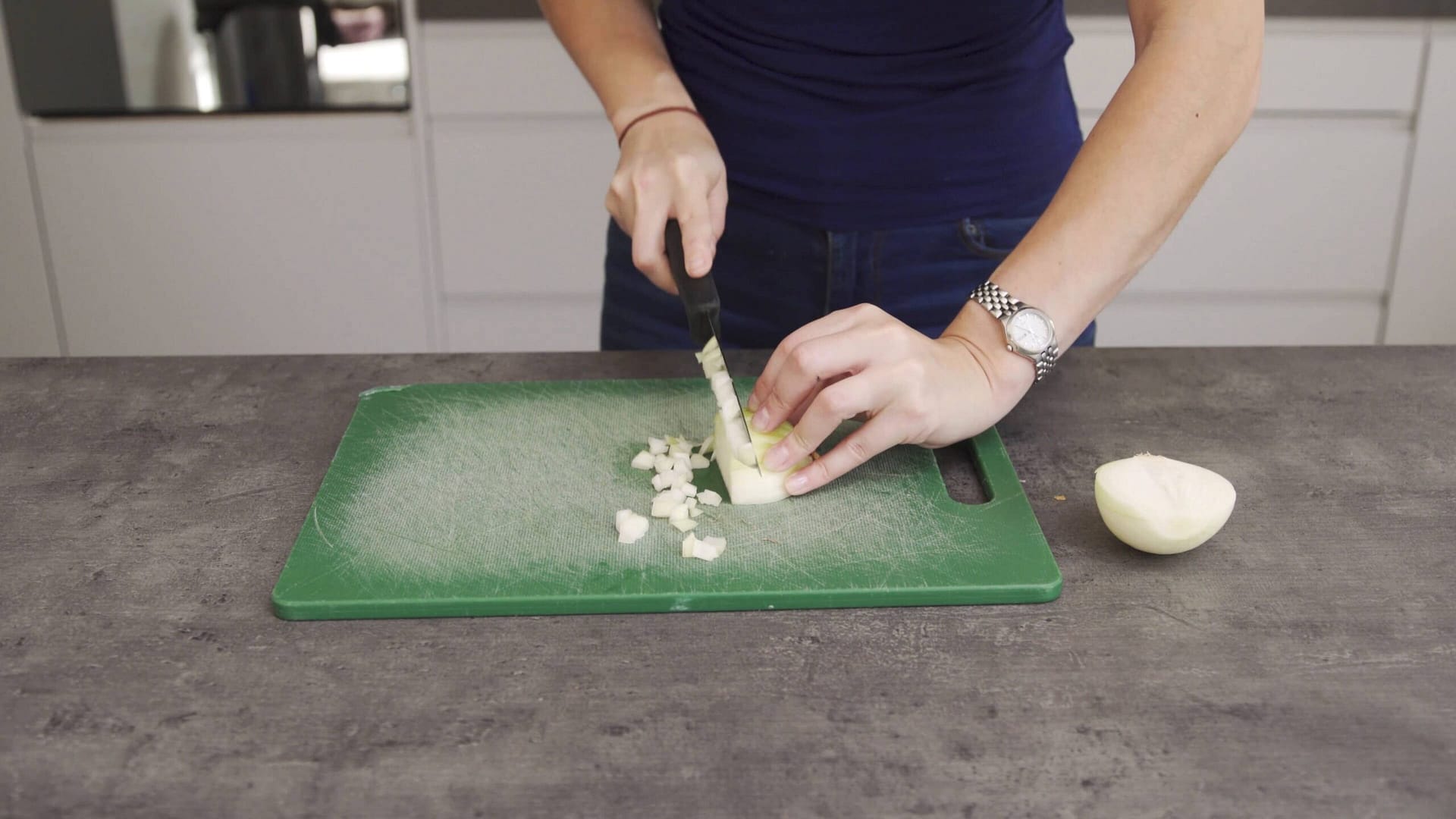
This video provides guidance for teachers supporting Upper key stage 2 pupils to make spaghetti bolognese as part of their healthy eating Design and technology lessons.
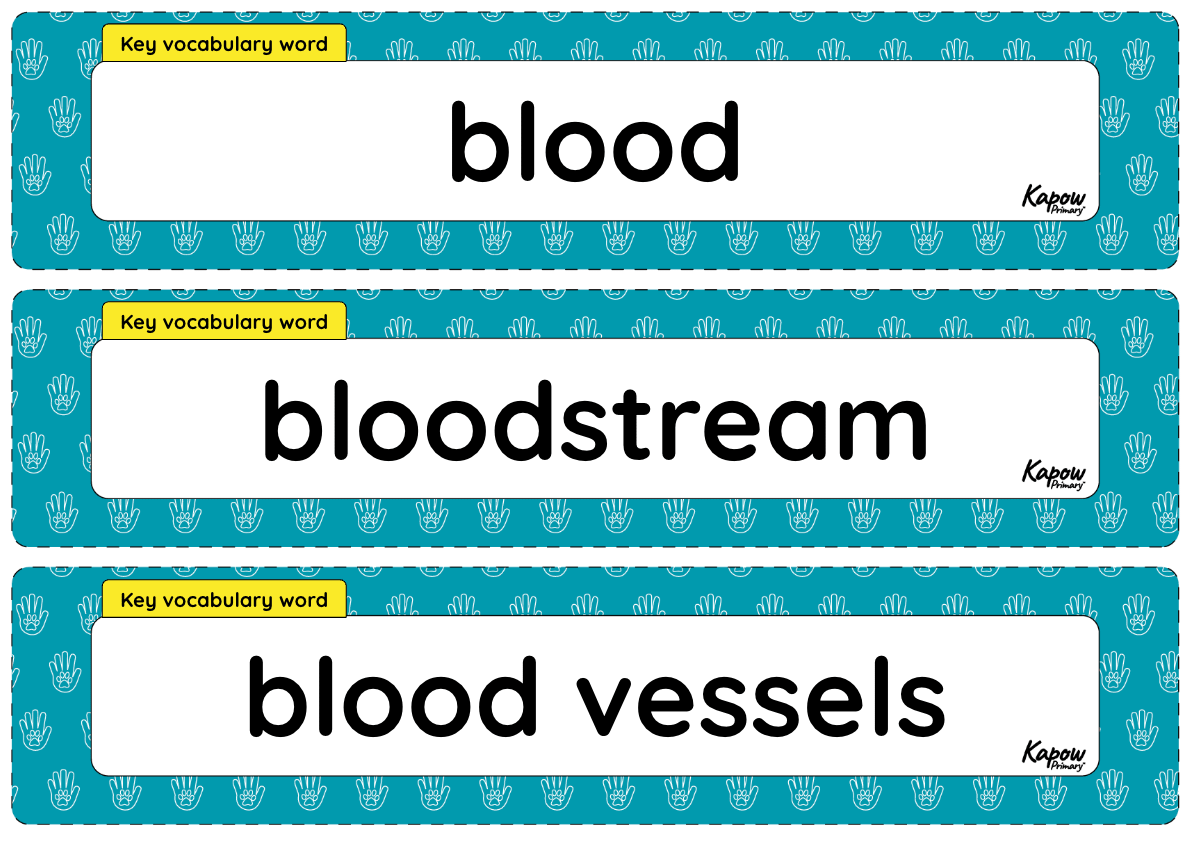
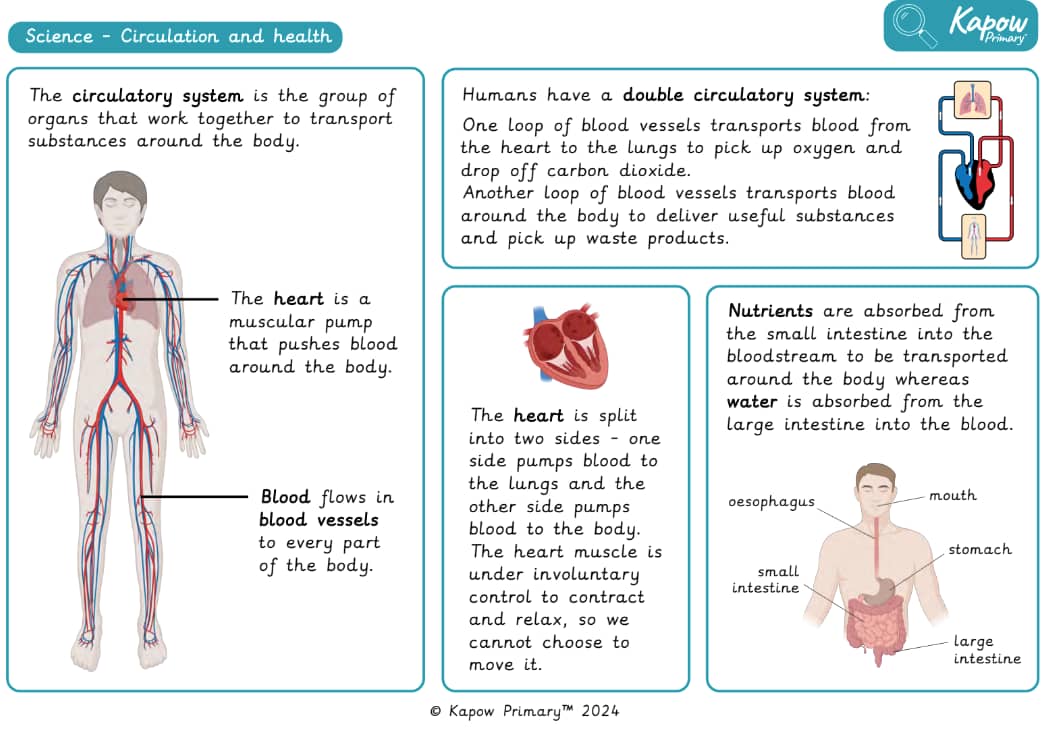
This unit vocabulary display includes keywords from the unit Science, Y5/6 (A), Animals, including humans: Circulation and health and additional unit-specific words that may be helpful in a display.
Key vocabulary is clearly labelled on the display, highlighting essential words that the pupils are expected to retain and reuse in future units. Understanding these words enhances comprehension of the subject and supports understanding of key scientific concepts and processes.
See the full Science: Progression of key vocabulary.
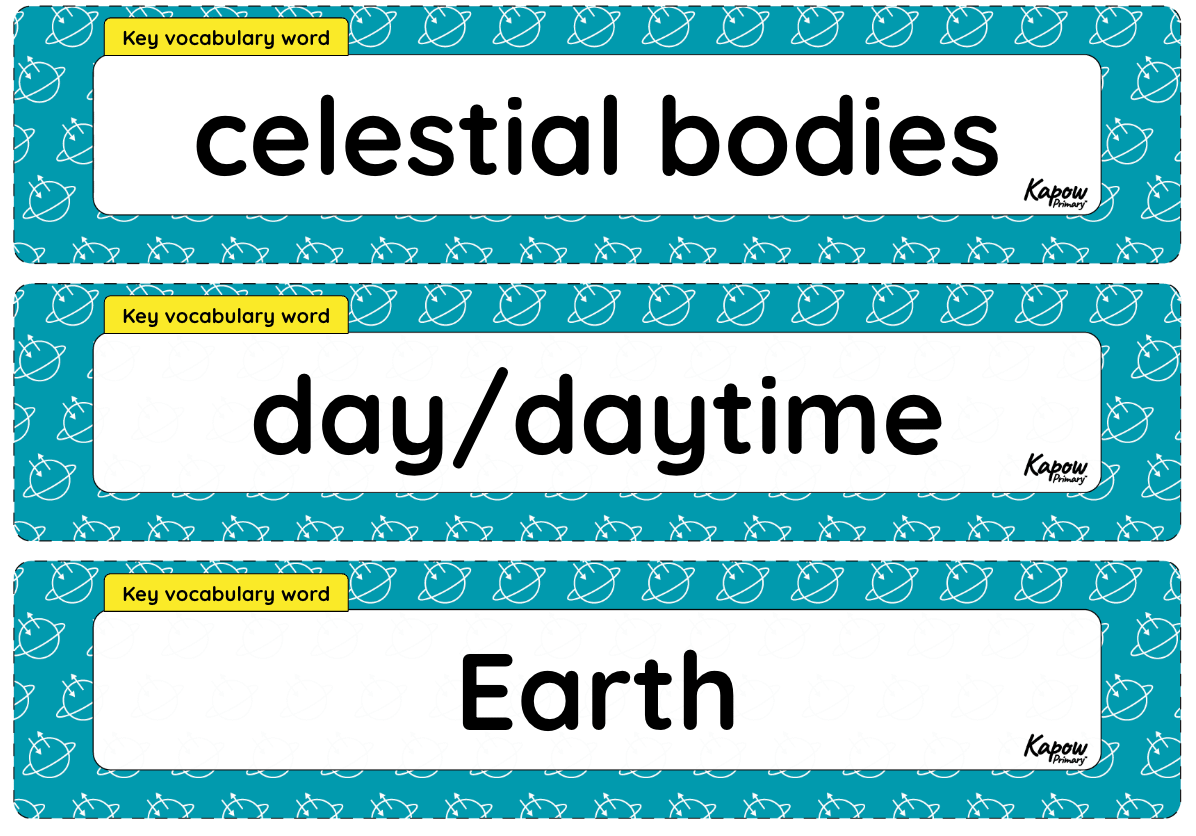
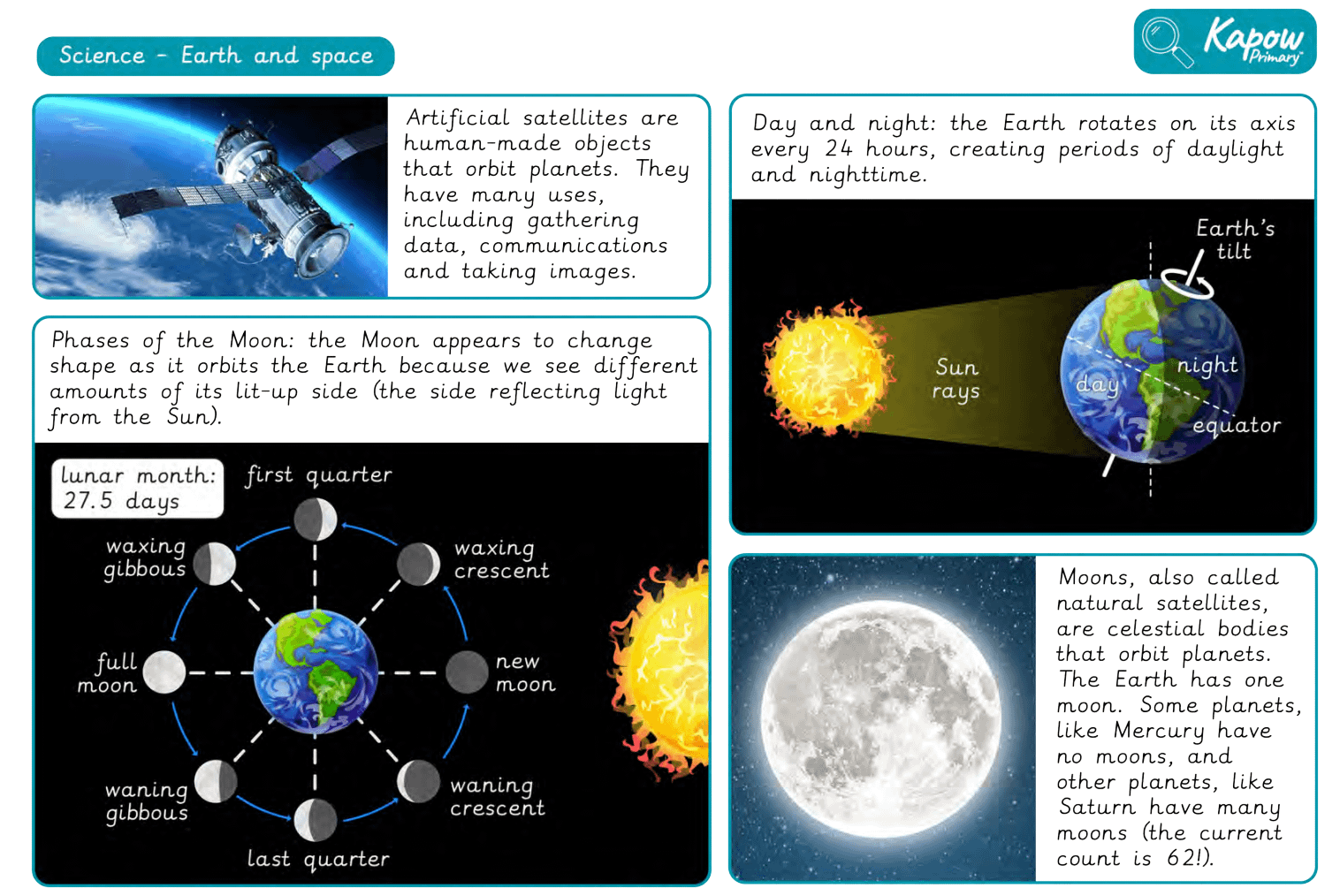
This unit vocabulary display includes keywords from the mixed-age unit Science, Y5/6 (A), Forces and space: Earth and space and additional unit-specific words that may be helpful in a display.
Key vocabulary is clearly labelled on the display, highlighting essential words that the pupils are expected to retain and reuse in future units. Understanding these words enhances comprehension of the subject and supports understanding of prominent organised worldviews.
See the full Science: Progression of key vocabulary.
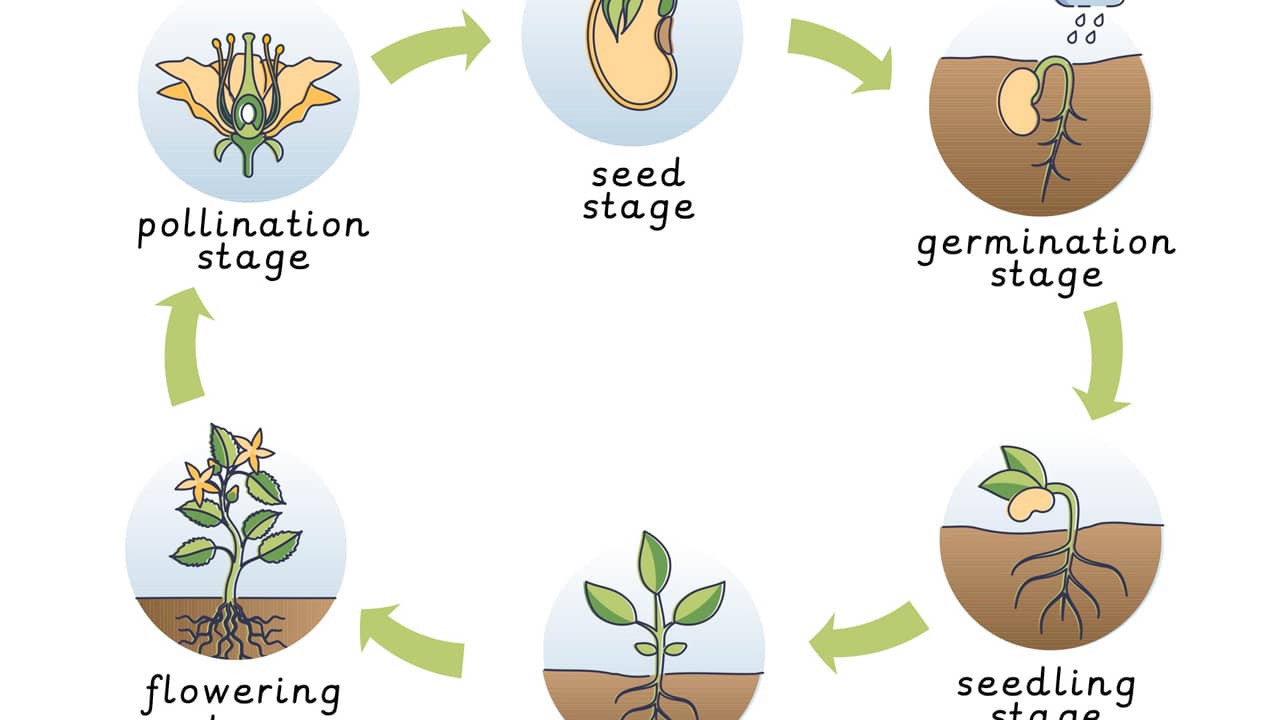
A collection of posters that support the unit Science, Y5/6 (B), Living things: Life cycles and reproduction.
This resource is designed to support the children as they explore the life cycles of plants, mammals, birds, amphibians and insects. Each poster clearly presents the stages of development for different living things using simple language and labelled diagrams. It introduces key vocabulary such as germination, metamorphosis and reproduction, and helps the children compare similarities and differences between life cycles. Ideal for classroom display or reference, this resource is perfect for reinforcing learning and supporting scientific understanding of growth and change in the natural world.