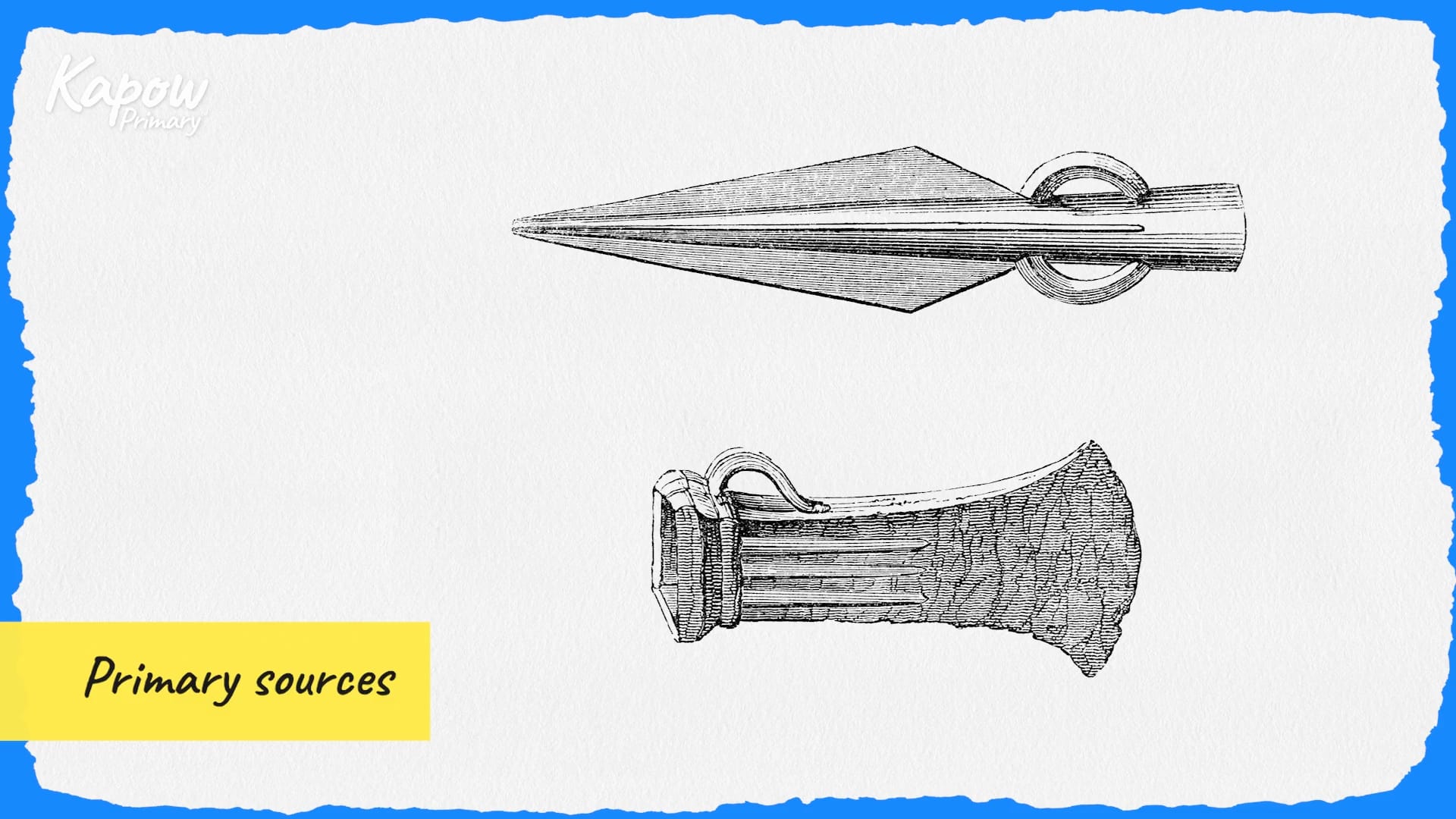
This History teacher video explores how archaeological sources support children’s understanding of the past. It introduces archaeology as the study of human history through the excavation and analysis of physical remains like tools, buildings, and pottery. These artefacts are presented as primary sources that offer a direct link to the period being studied.
The video explains how archaeologists and historians use such evidence to interpret the past, highlighting the value and limitations of these sources. It includes practical classroom strategies such as sand tray digs in Key Stage 1 and reconstructing broken artefacts in Key Stage 2 to simulate real archaeological work. Teachers are encouraged to help pupils question, sort, and analyse objects to build historical understanding, especially during studies of prehistory, ancient civilisations, or the local area.
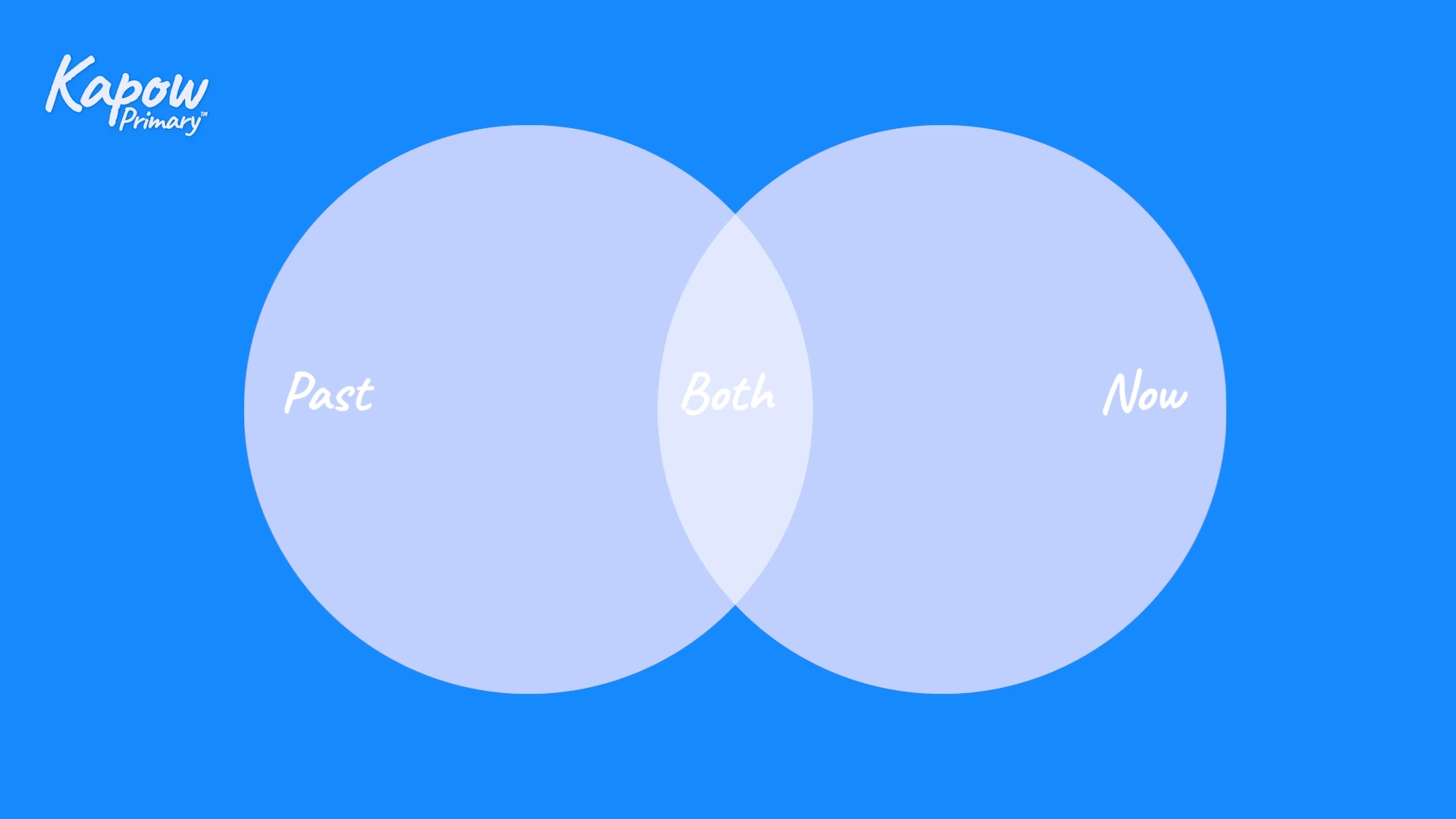
This History teacher video focuses on helping children identify similarities and differences when comparing sources, time periods, and perspectives. In Key Stage 1, children begin by exploring how aspects of life, such as homes, toys, and celebrations, have changed or stayed the same over time, using photographs and artefacts before progressing to written sources.
In Key Stage 2, pupils work with a wider range of materials—including portraits and written accounts from different viewpoints—to understand how context, purpose and perspective influence the information sources provided.
This History teacher video introduces the concept of interpreting historical sources, focusing on how to identify both explicit and implicit information. Children are taught to consider the viewpoint of the source’s creator, the reason it was produced, and how this affects its reliability and potential bias. They explore how language, tone and content can influence how a source is interpreted, and develop strategies to infer meaning when information isn’t clearly stated.
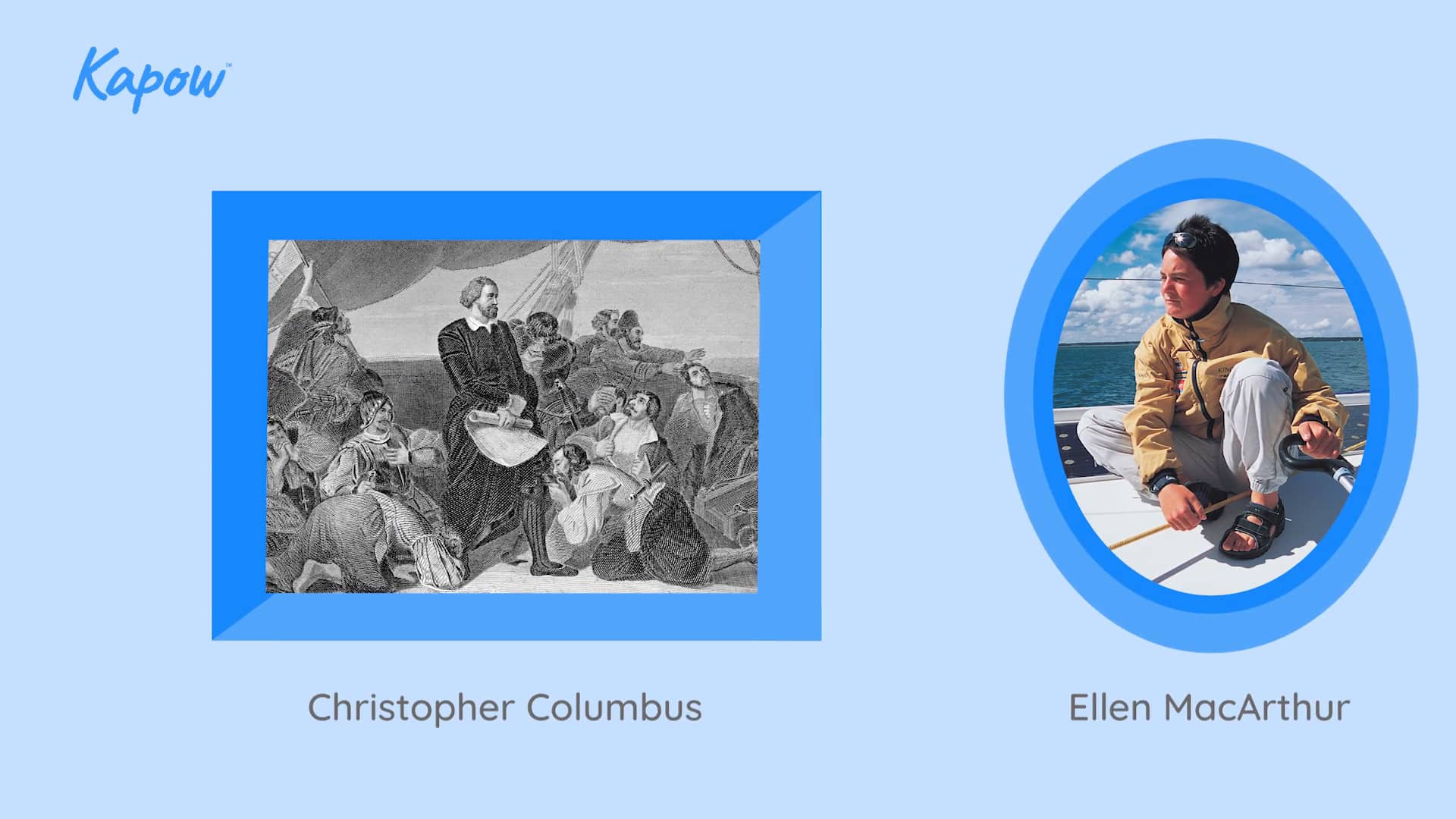
This History teacher video focuses on the concept of historical significance—how historians decide what is important from the past and why. It explains that significance can vary depending on time, context, and perspective, and should not be confused with fame. The video encourages pupils to explore the reasons why people, events, or ideas are remembered, and to consider both positive and negative impacts.
Part of Kapow Primary’s History teacher skills series, the video provides strategies for introducing significance from Key Stage 1, where children learn about people who changed the lives of others, through to Key Stage 2, where significance is explored through more complex historical events. It includes practical examples, such as contrasting views on Christopher Columbus, and guidance on helping children evaluate achievements, impact, and differing perspectives to think critically about the past.
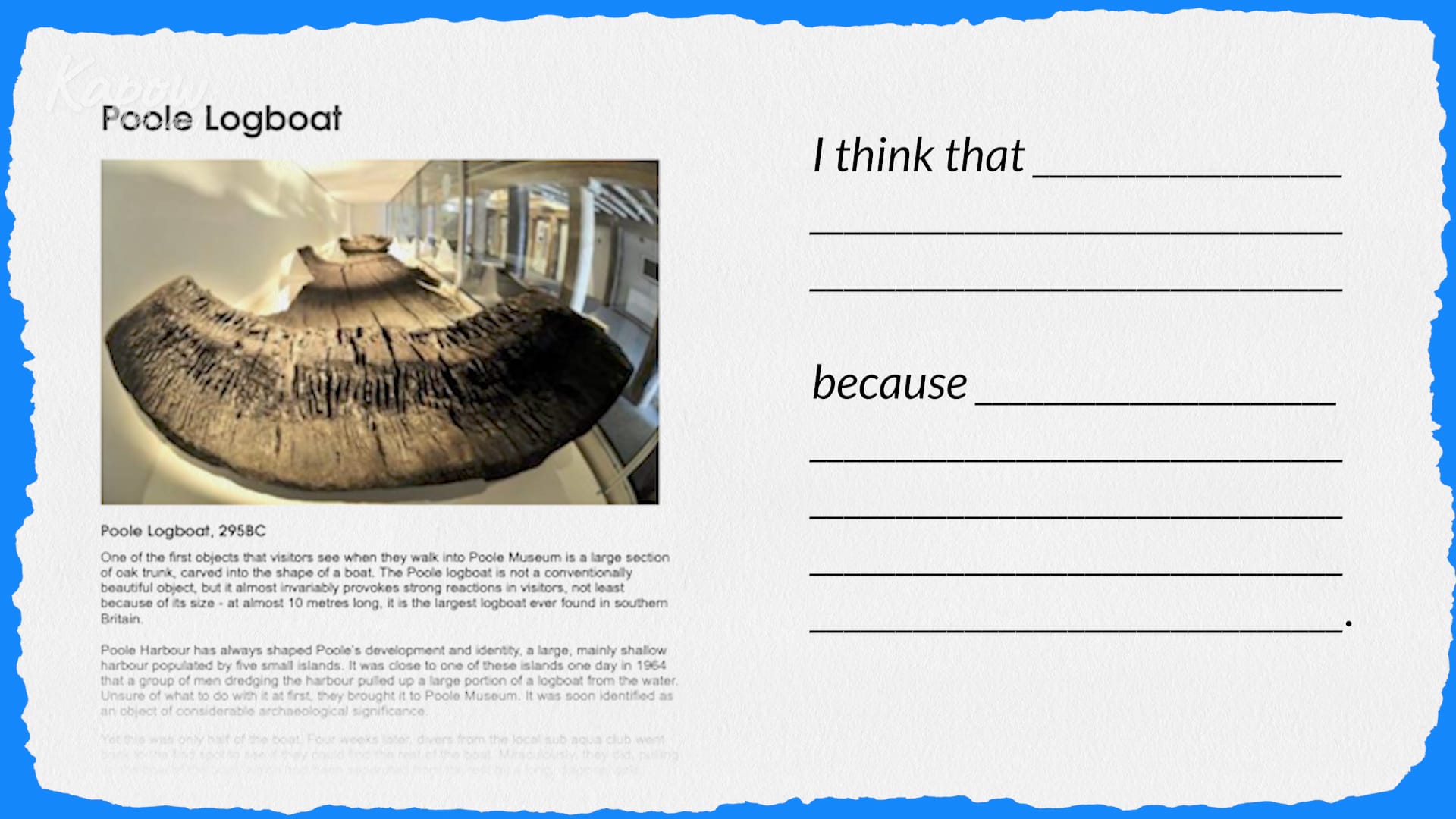
This History teacher video focuses on the disciplinary skill of historical interpretation, as outlined in the National Curriculum. It highlights the idea that there can be multiple valid interpretations of the same event, shaped by the author’s perspective, bias, purpose, and the nature of the source. Pupils learn that primary sources are subjective and must be analysed carefully to understand what they reveal—and what they might leave out. The role of the historian is to weigh evidence and construct interpretations supported by reasoning.
The video explains how Kapow Primary’s scheme builds this skill progressively, helping children to both form their own interpretations and understand those of others. For example, in Year 3, pupils analyse a log boat and are encouraged to justify their ideas using evidence. In later years, they compare contrasting interpretations of events, such as the Roman invasion of Britain, exploring how different sources and new evidence shape historical understanding. The video emphasises that interpretations are not fixed and can change over time.
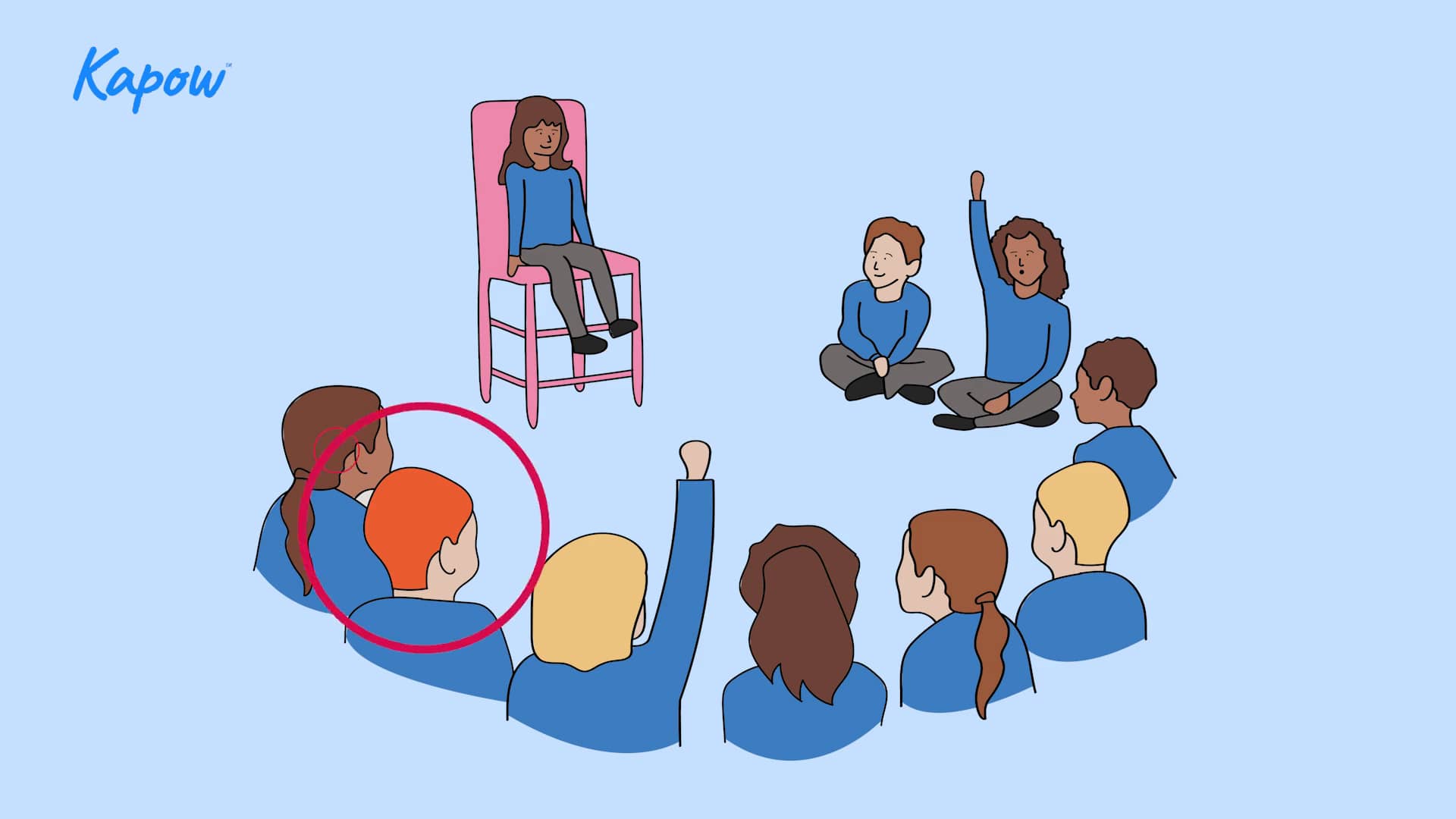
This History teacher video introduces the use of hot seating as a powerful strategy to develop inquiry skills through questioning. In this drama-based technique, a teacher or pupil adopts the role of a historical figure while others pose questions to explore their experiences, beliefs, and significance. The video explains how this technique supports children’s understanding of different perspectives and encourages the use of open-ended questions to elicit detailed responses. It also demonstrates how hot seating can be integrated into a range of topics, such as exploring the lives of Tudor child apprentices.
Teachers are supported with practical guidance for modelling and scaffolding question writing, including using question starters like “how,” “why,” and “describe.” Children are encouraged to think critically about the kind of information they want to discover and how to structure questions to gain deeper insights. Hot seating develops pupils’ empathy, their ability to interpret historical sources, and their understanding of the significance of historical individuals. By practising this technique in a safe and structured way, children build confidence in speaking, listening, and historical thinking.
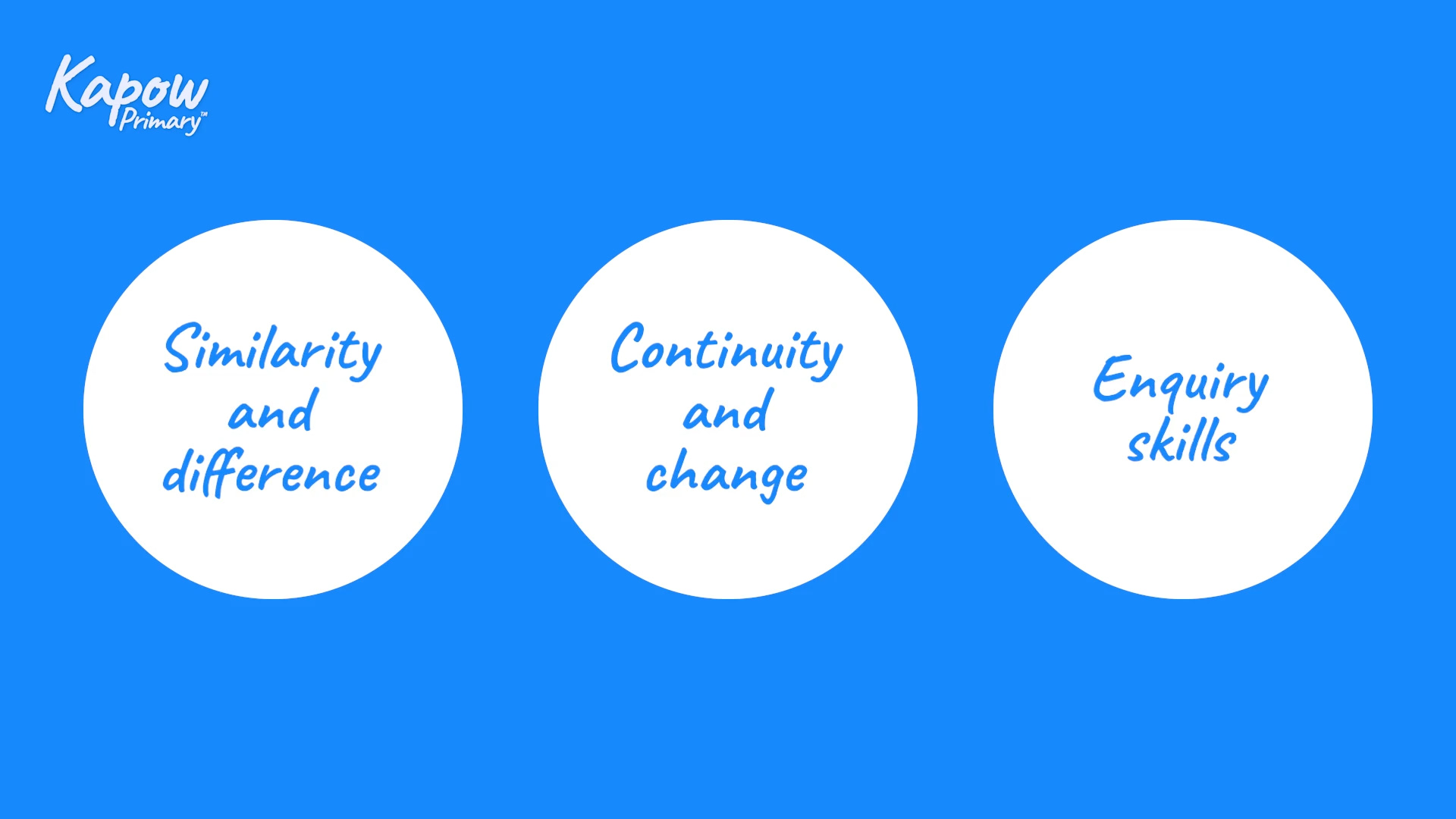
This History teacher video explores how the census can be used as a powerful and accessible primary source in the classroom. It highlights how census data provides insight into real lives from the past, supporting pupils in developing key disciplinary skills such as enquiry, continuity and change, and similarity and difference. The video shows how children can use the census to investigate their local community, ask historical questions, and draw inferences, just as historians do.
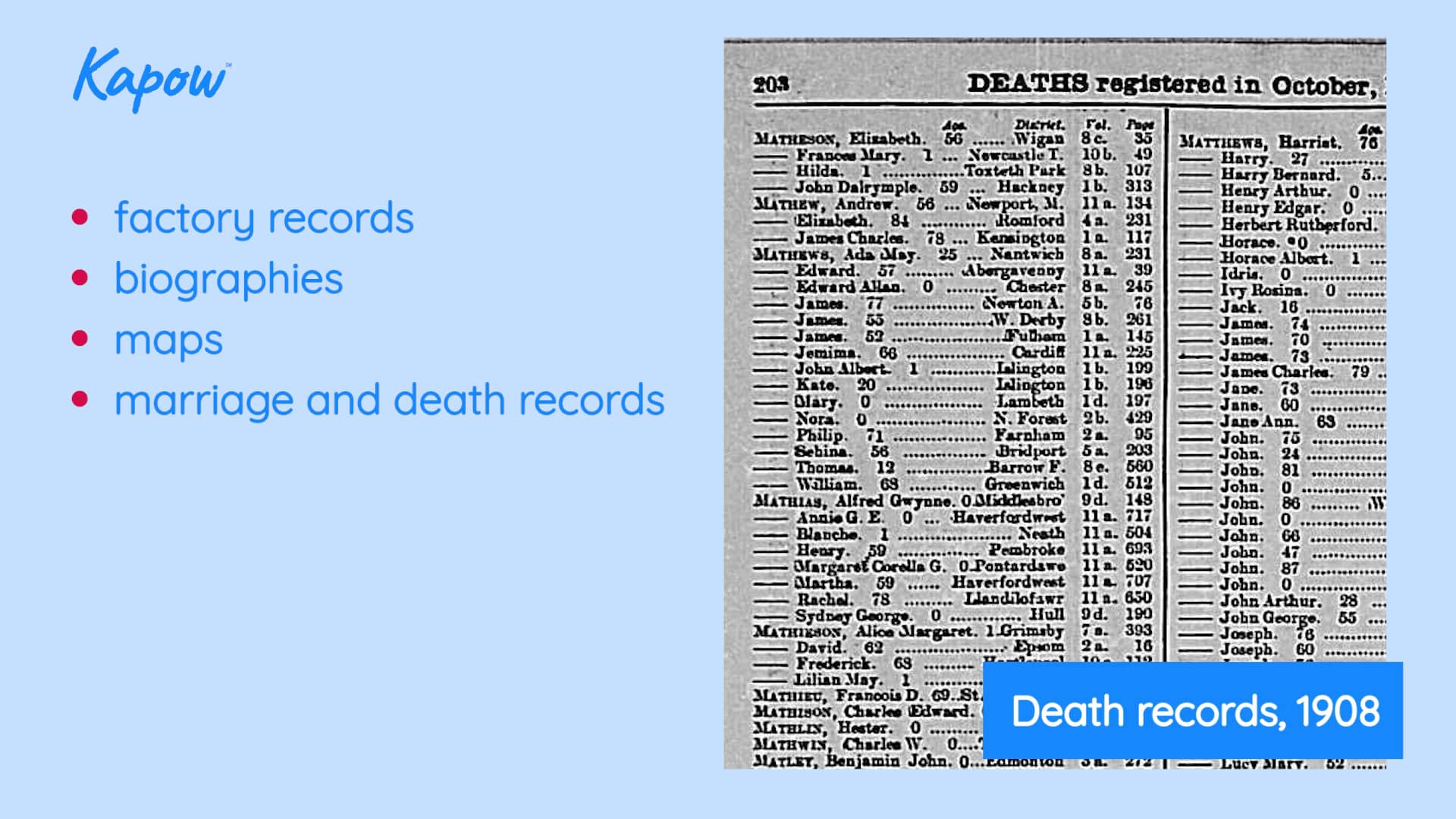
A History video that helps teachers use census records to develop the children’s enquiry skills.
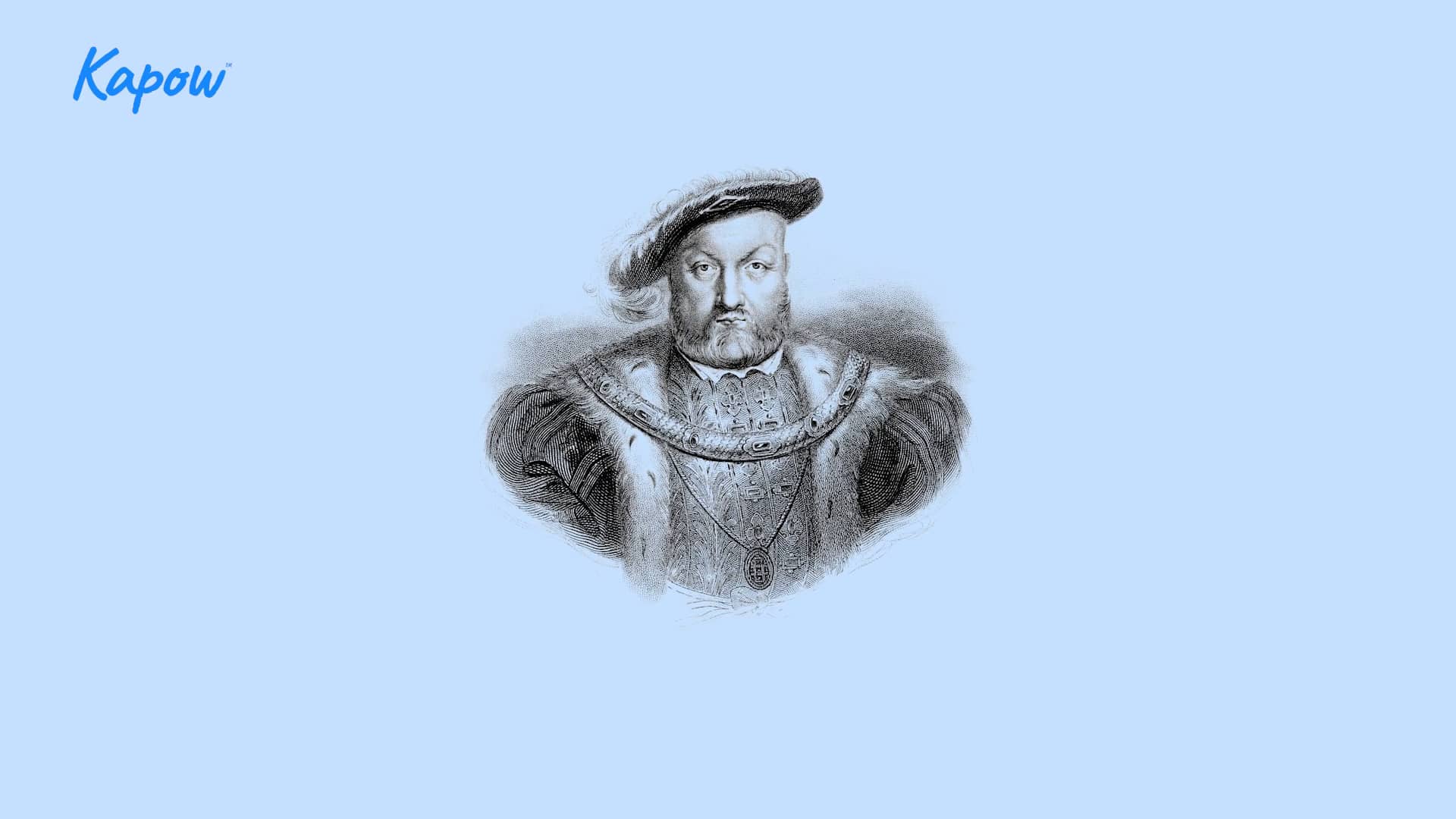
This History teacher video explores how children develop the skills to work with historical sources and evidence. It explains how pupils across Key Stages 1 and 2 learn to identify, examine, and interpret a wide range of sources—including written, visual, and material items—to build their understanding of the past. The video distinguishes between primary and secondary sources, highlighting how each can provide valuable insights when carefully analysed. It also explains how even biased sources are useful, as they offer a perspective from the time.
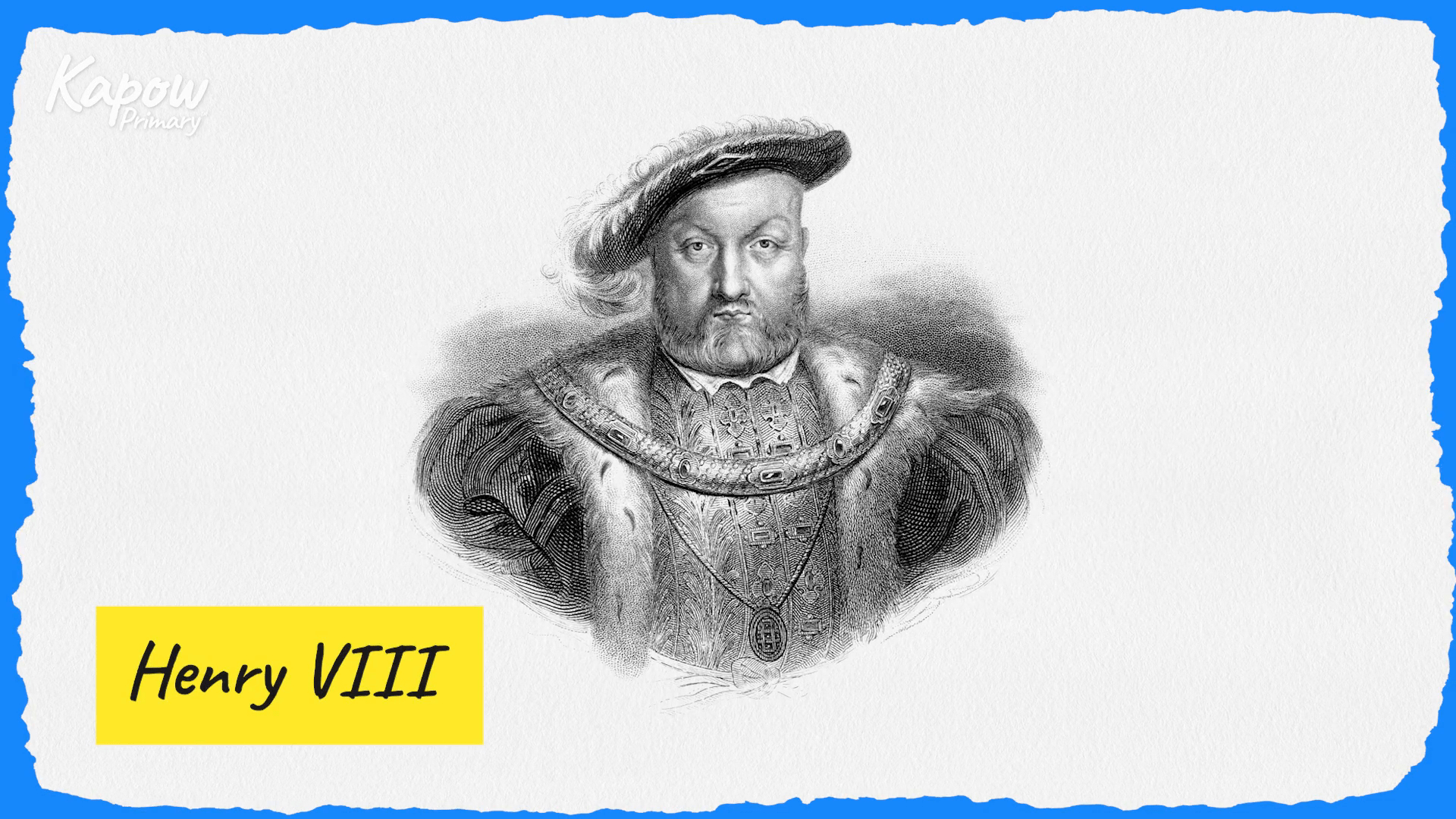
The video supports teachers in helping pupils use sources for historical inquiry—extracting evidence, making interpretations, and forming their own versions of past events. It also shows how different interpretations of the same source are to be expected and encouraged, using practical examples like portraits of Henry VIII. The Kapow Primary scheme builds these inquiry skills gradually, supporting children to develop more complex historical thinking as they progress.