


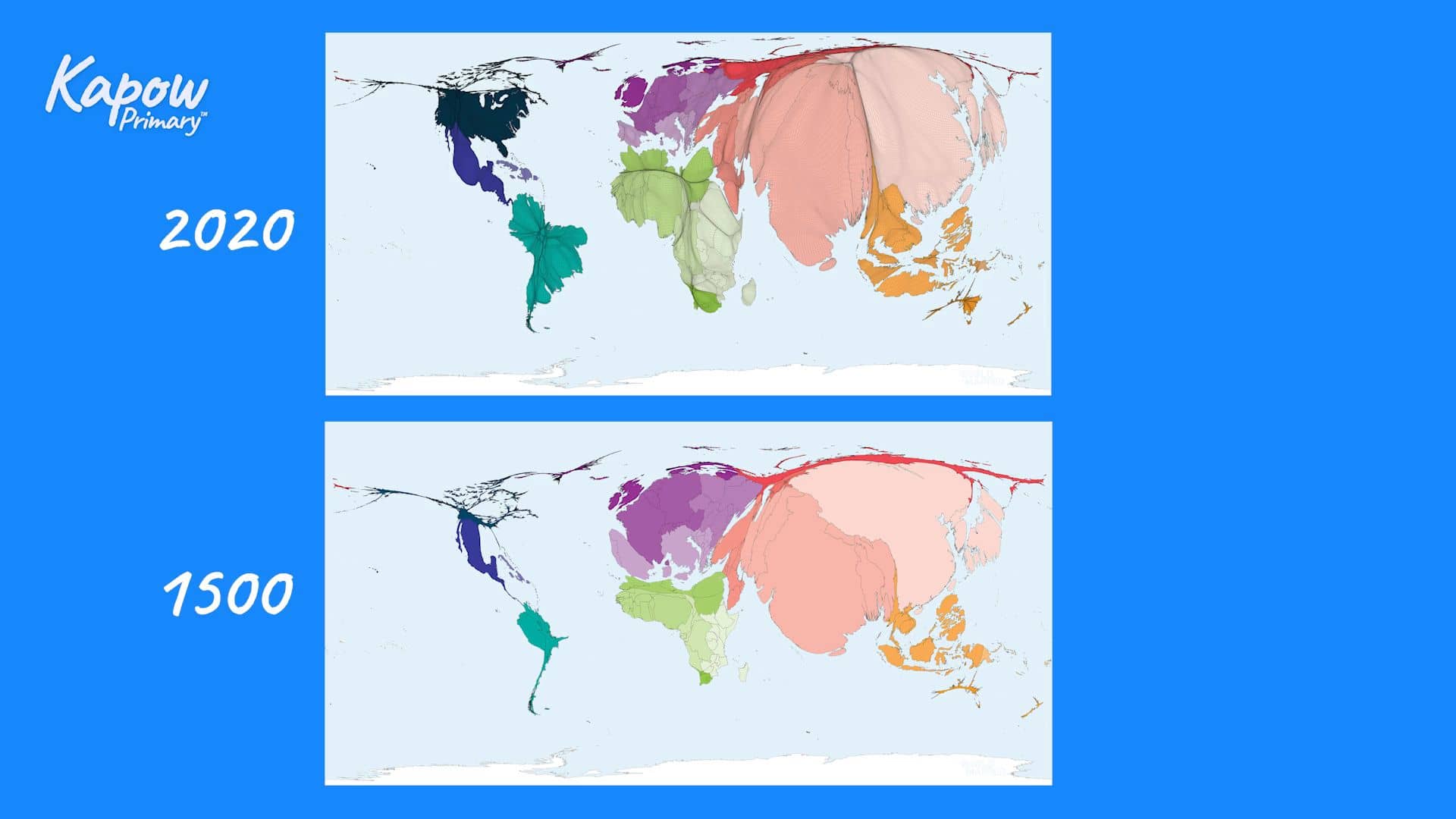
This Geography scheme of work video helps teachers explain birth rate, death rate, and natural increase, building confidence in guiding data analysis and critical discussion of global population trends.
year: Year 5
Teacher video: How is the global population changing?
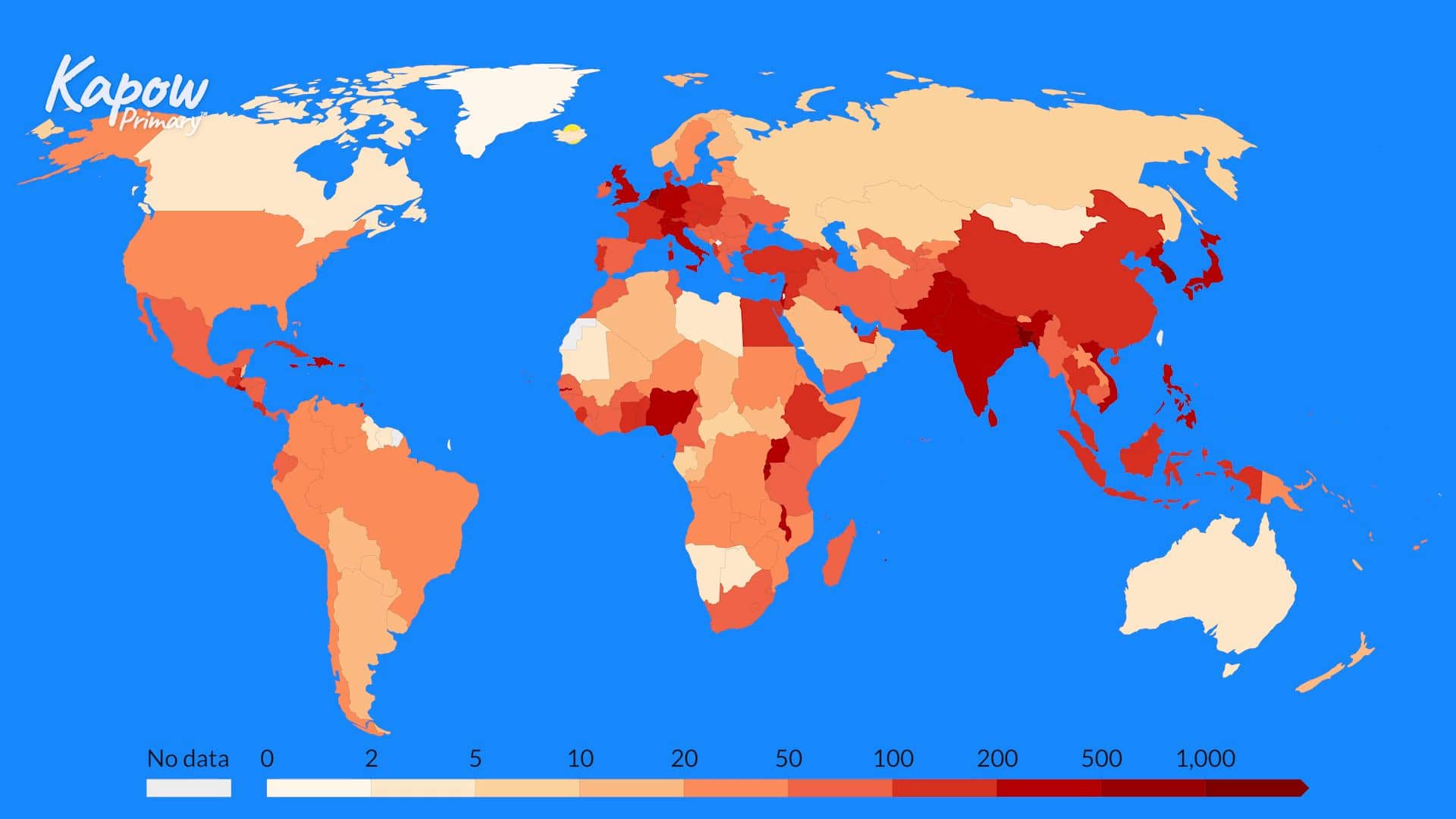
This video supports teachers in delivering a lesson on population distribution and density, covering global trends, mapping skills, and graph work.
Teacher video: The Alps
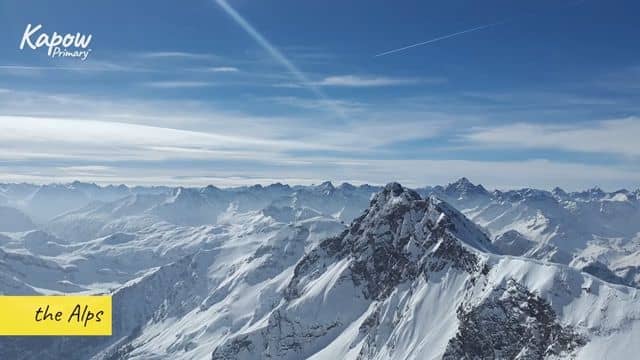
This video helps teachers explain how the Alps were formed, how people use them and how they are affected by climate change.
Teacher video: Understanding verb conjugations
This Spanish Kapow teacher video supports you in teaching how verbs change in Spanish depending on who is doing the action. In this unit, pupils explore third person singular verb forms like se llama (he/she is called), vive (he/she lives), and tiene (he/she has), applying them in descriptions of family members or friends.
Teacher video: Latitude and longitude
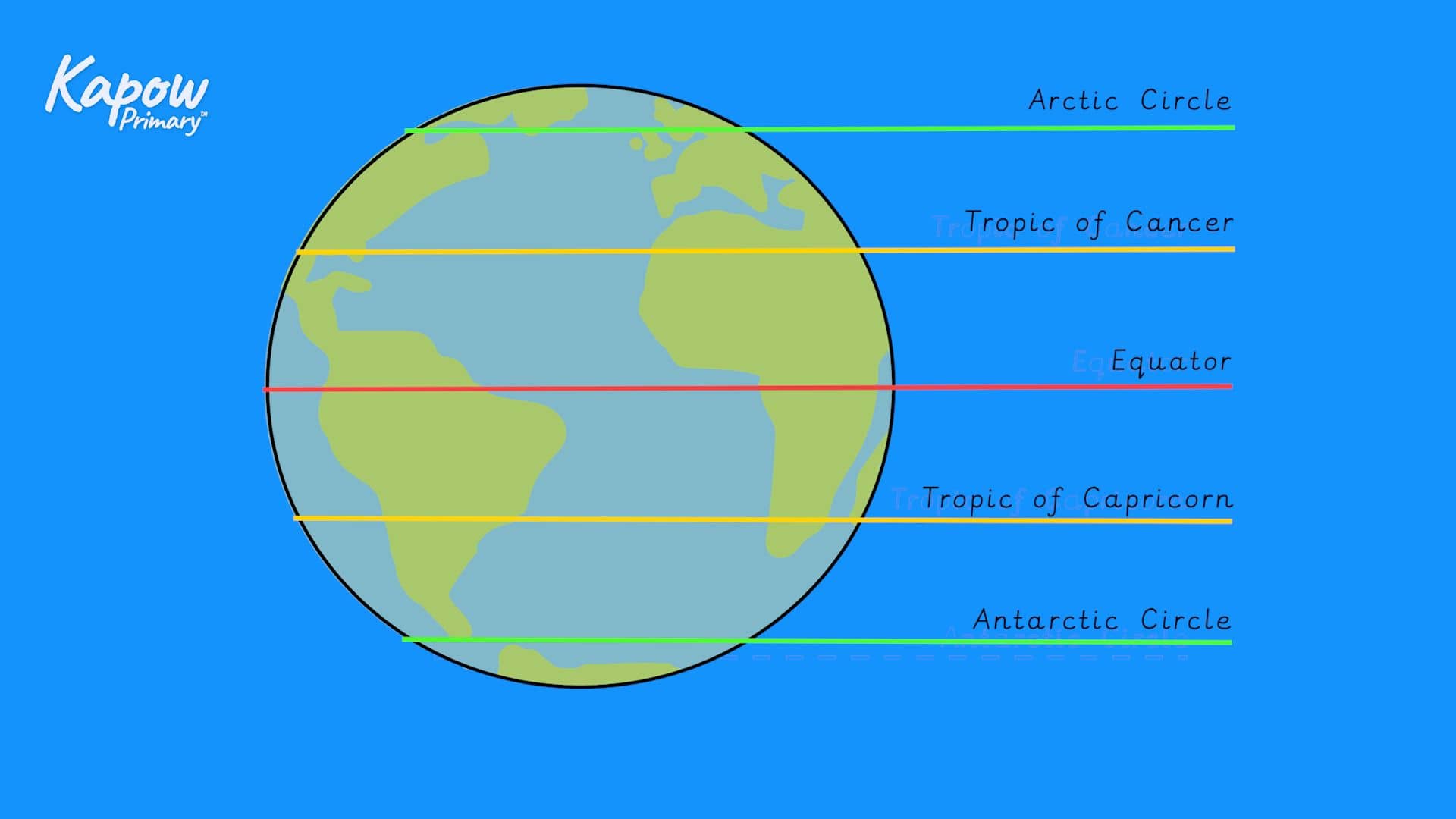
This video introduces the global grid system and how to use latitude and longitude to find locations.
Teacher video: Me gusta in the third person
This Kapow teacher video supports you in teaching how to use the verb gustar in the third person to describe what someone else likes. Pupils are already familiar with me gusta and te gusta to say what they and others enjoy doing. This lesson builds on that foundation by introducing le gusta – used for both “he likes” and “she likes.”
Teacher video: Encouraging independence
This Spanish Kapow teacher video supports you in leading a lesson where pupils apply their knowledge of the third person singular in Spanish to describe a family member or friend. With the help of a word bank, children build sentences using familiar nouns, verbs and adjectives.
Teacher video: Oceans
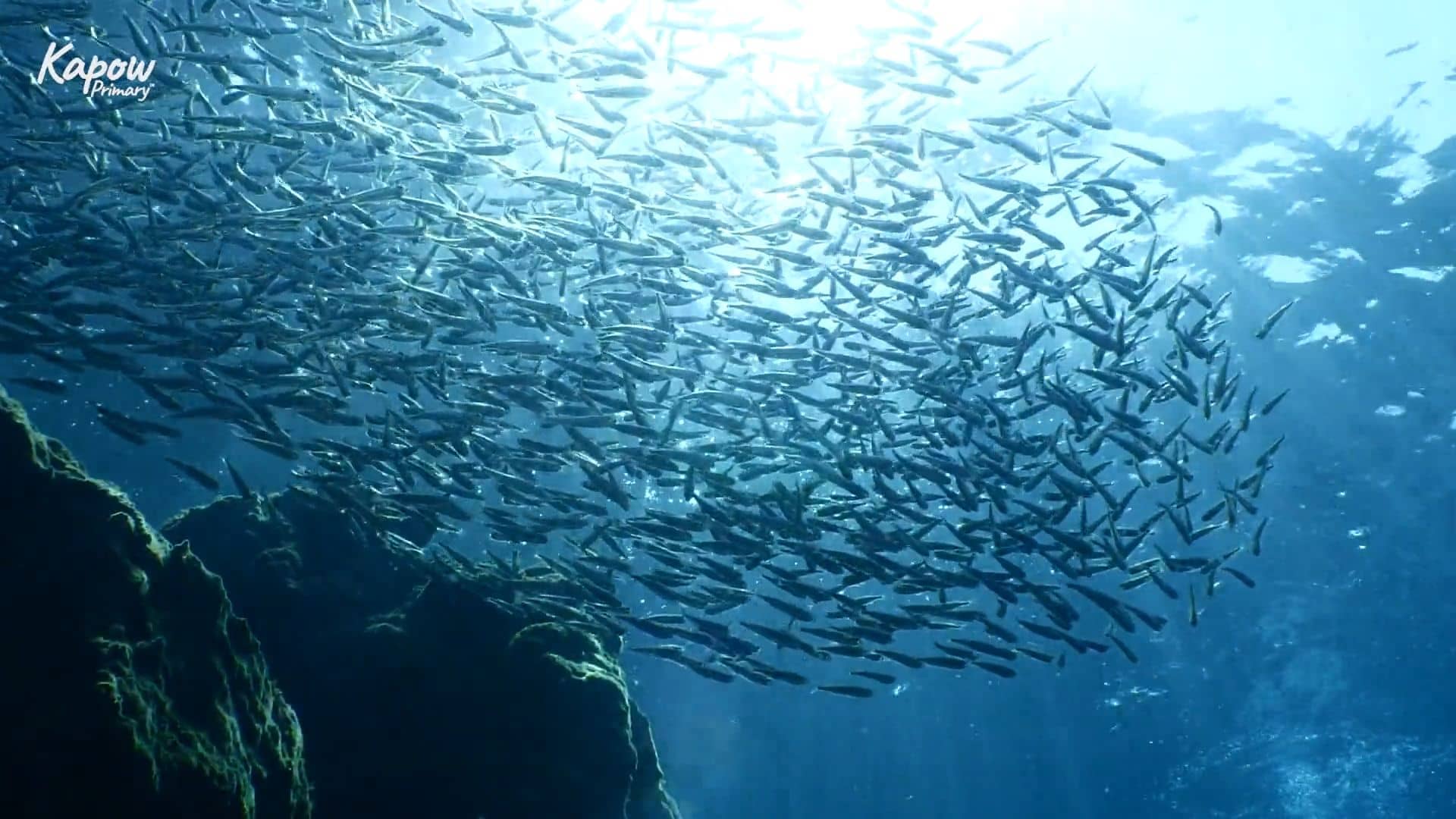
This Geography video helps teachers explain why oceans are essential to life on Earth, supporting the children in understanding their physical, biological and economic importance, including the five oceans, natural resources, biodiversity, climate impact and links to sustainability.
Teacher video: Hemispheres and seasons
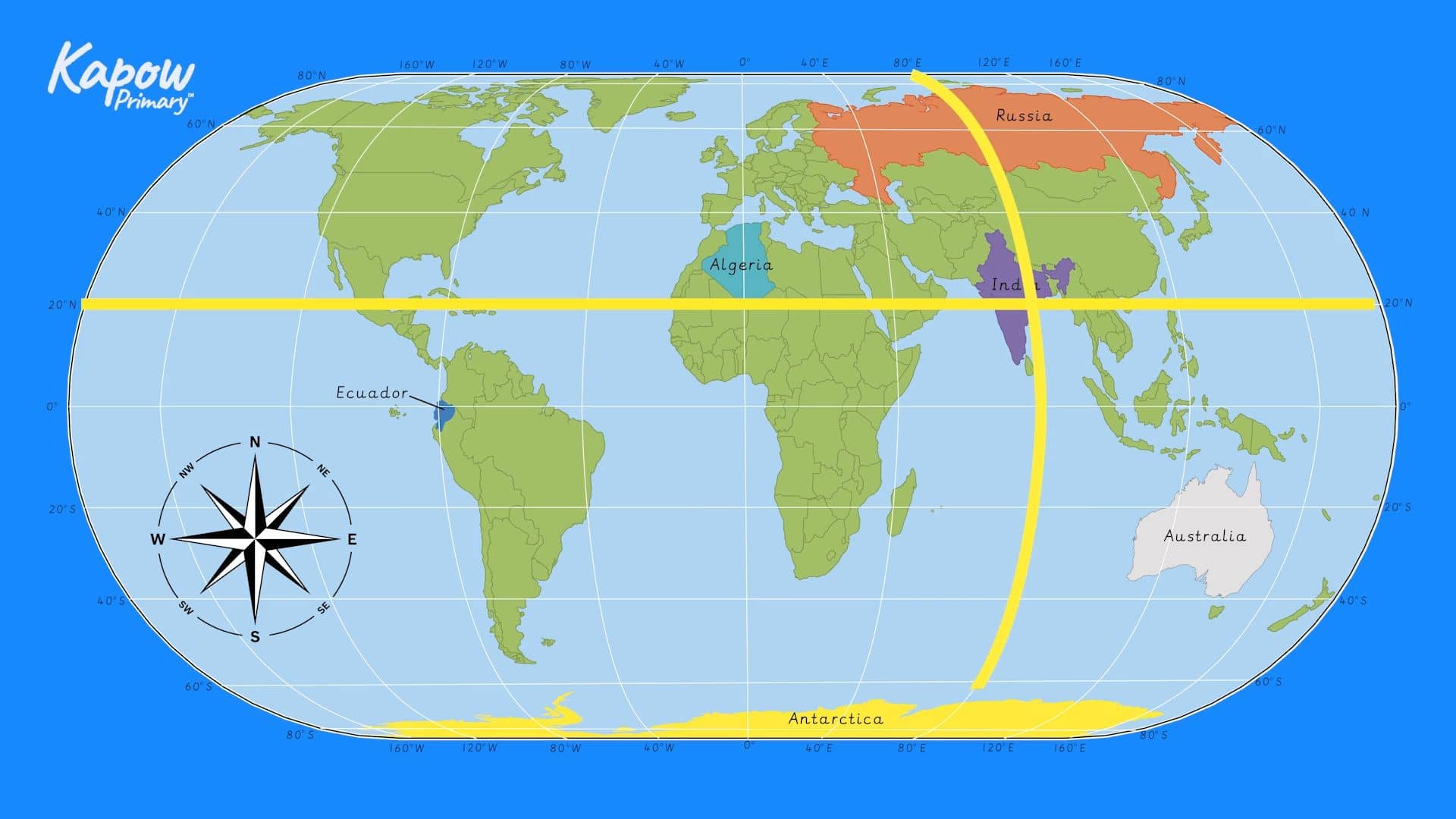
This video helps teachers introduce pupils to lines of latitude and longitude, exploring how they affect global climates and help locate places on a map.
