


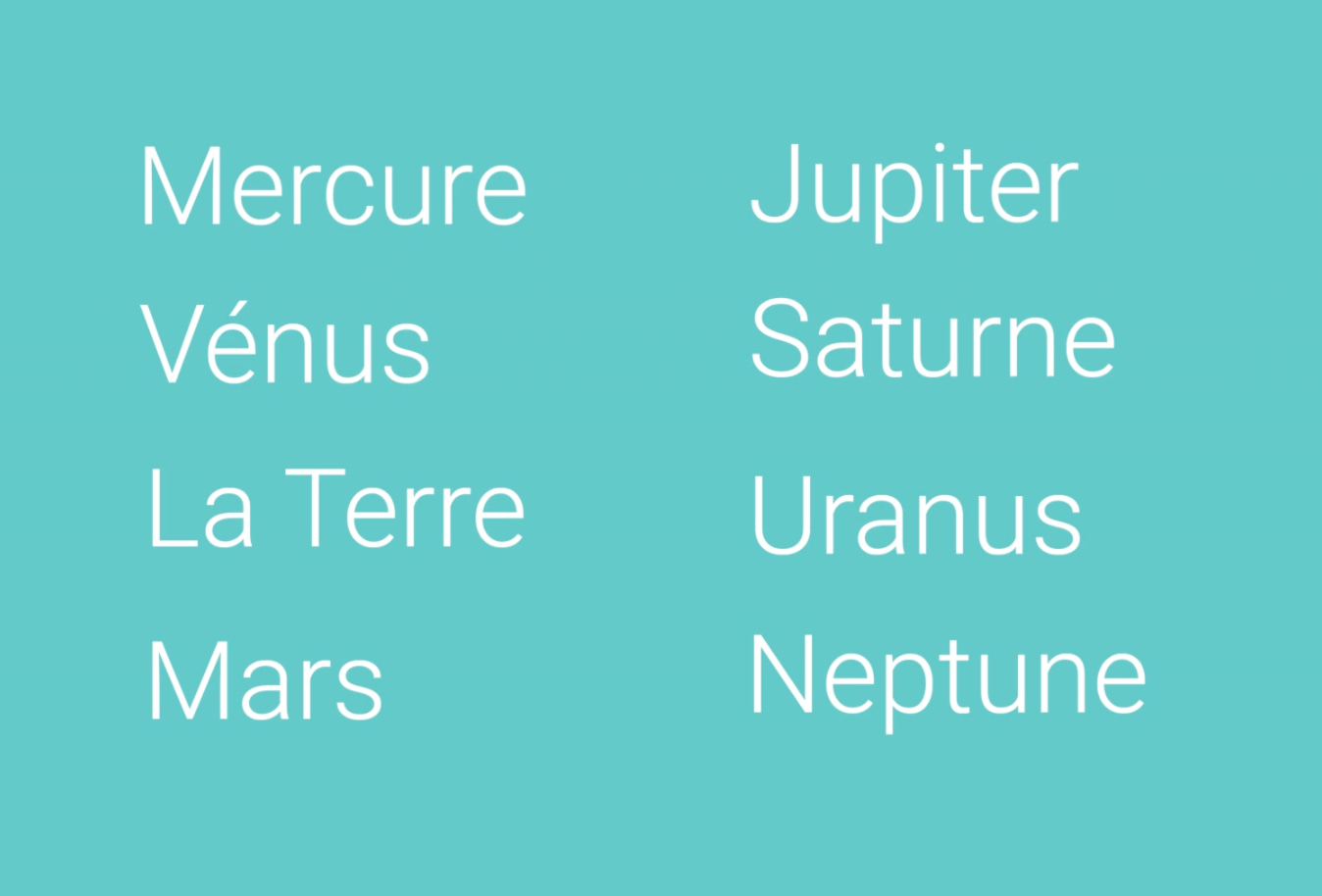
This French video introduces teachers to a lesson that links directly with science, using the theme of the solar system. The aim is to encourage children to use their language detective skills by predicting context and making connections with prior knowledge before working with longer texts.
year: Year 5
Teacher video: How many? How much?
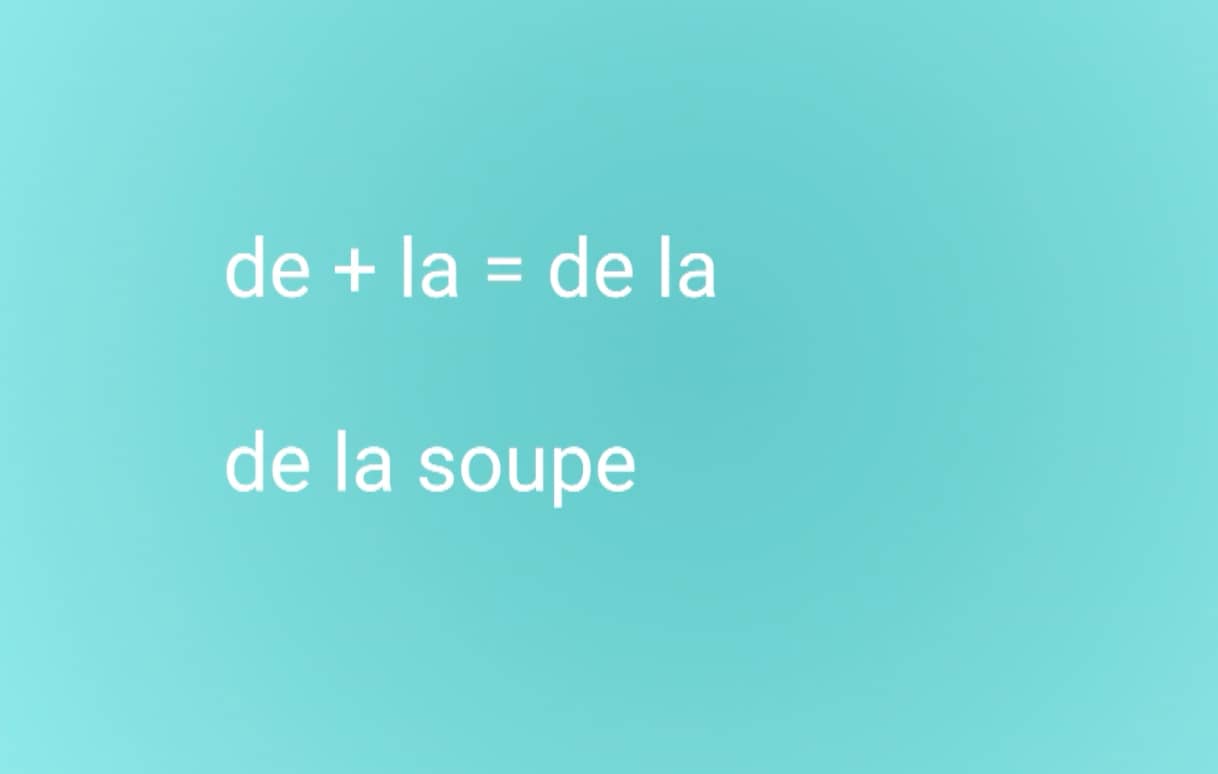
This French video introduces teachers to a lesson on quantity words and grammar, focusing on the different ways of saying some in French. Building on the previous story, children are encouraged to notice how phrases such as du poulet or de la soupe appear naturally in context before analysing how they work.
Teacher video: Beware the dragon!
This French video introduces teachers to the first unit of Year 5, focusing on developing pupils’ detective skills for tackling unknown vocabulary. Rather than translating word for word, children explore a non-fiction text, identifying features such as cognates, visual clues, and text type to help them infer meaning.
Vocabulary display – R&W Y5/6 (B): Why do Abrahamic religions look different around the world?
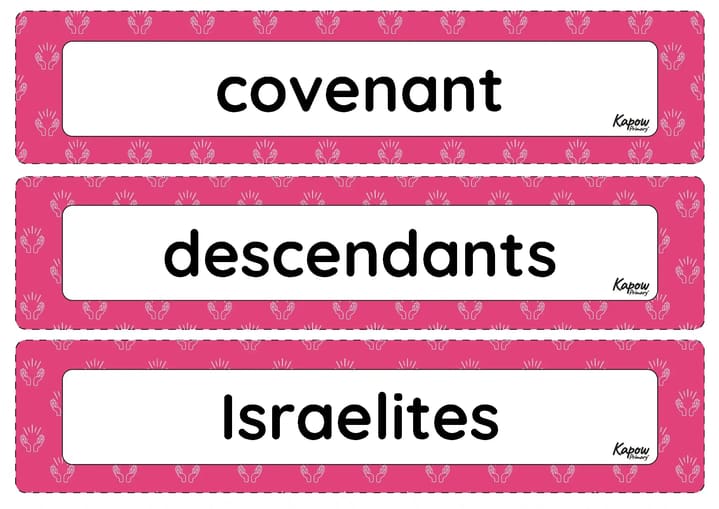
This unit vocabulary display includes keywords from the unit Religion and worldviews, Y5/6 (B), Why do Abrahamic religions look different around the world? and additional unit-specific words that may be helpful in a display.
Key vocabulary is clearly labelled on the display, highlighting essential words that the pupils are expected to retain and reuse in future units. Understanding these words enhances comprehension of the subject and supports understanding of prominent organised worldviews.
See the full Religion and worldviews: Progression of key vocabulary.
Y5/6 (B): Why do Abrahamic religions look different around the world?
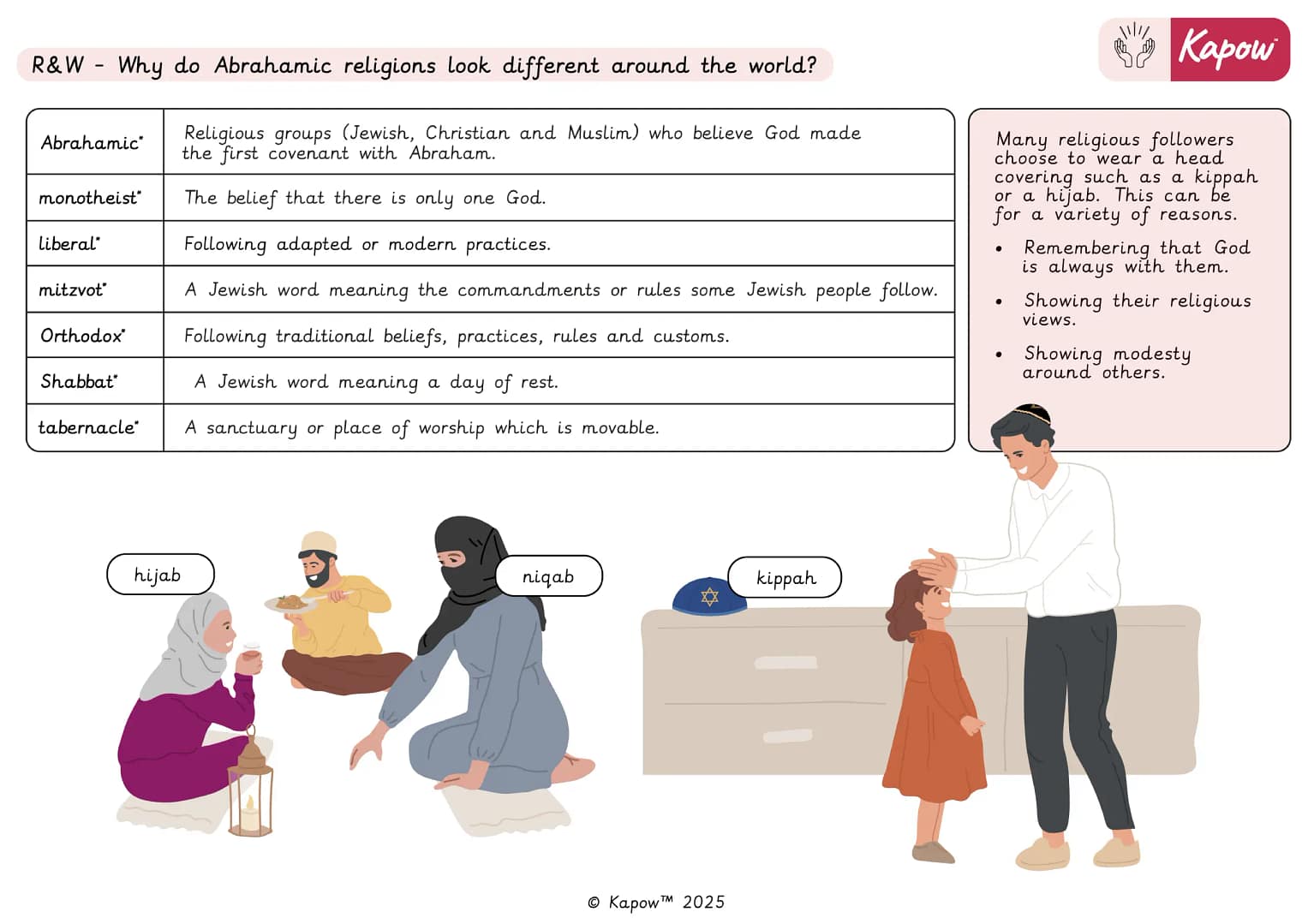
A Knowledge organiser that captures the essential knowledge and skills learnt throughout the unit Religion and Worldviews, Year 5/6 (B), Why do Abrahamic religions look different around the world?
This Religion and Worldviews resource is designed to support the pupils as they explore how religion interacts with society, culture and global issues. It introduces key vocabulary such as faith, morality, secularism, philosophy and worldview, helping pupils understand different perspectives on the role of religion in the modern world. The pupils will also examine the influence of religion on laws, ethics and personal identity.
Teacher video: Cause and consequence
A History video that helps teachers introduce and develop the children’s understanding of cause and consequence.
Teacher video: Body parts
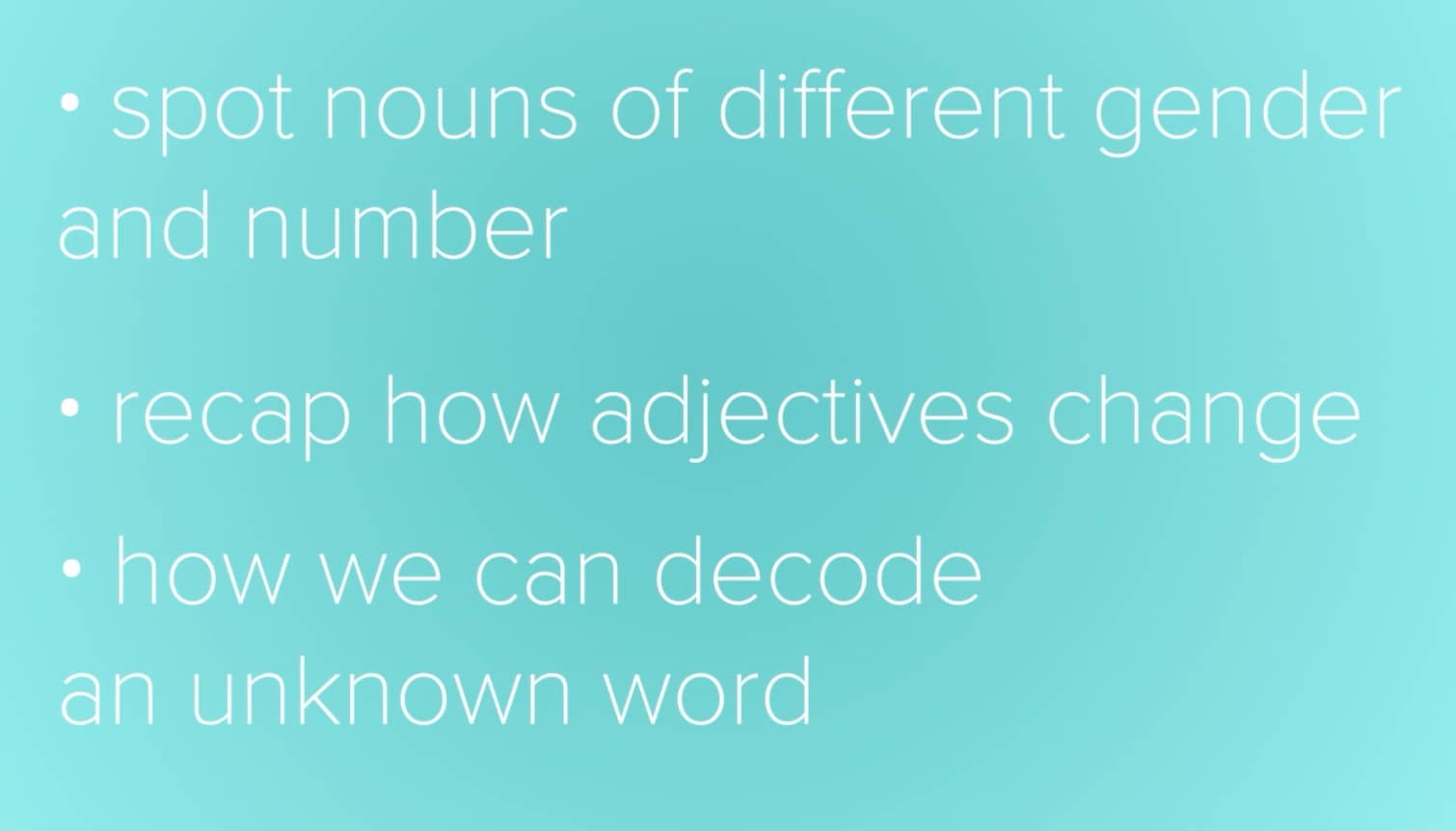
This French video introduces teachers to using Carroll diagrams as a way to sort and identify nouns by gender and number. Pupils begin with a phonics starter to connect sound and spelling patterns, then move on to spotting masculine, feminine, and plural forms using articles and word endings as clues.
Teacher video: Monster mash-up
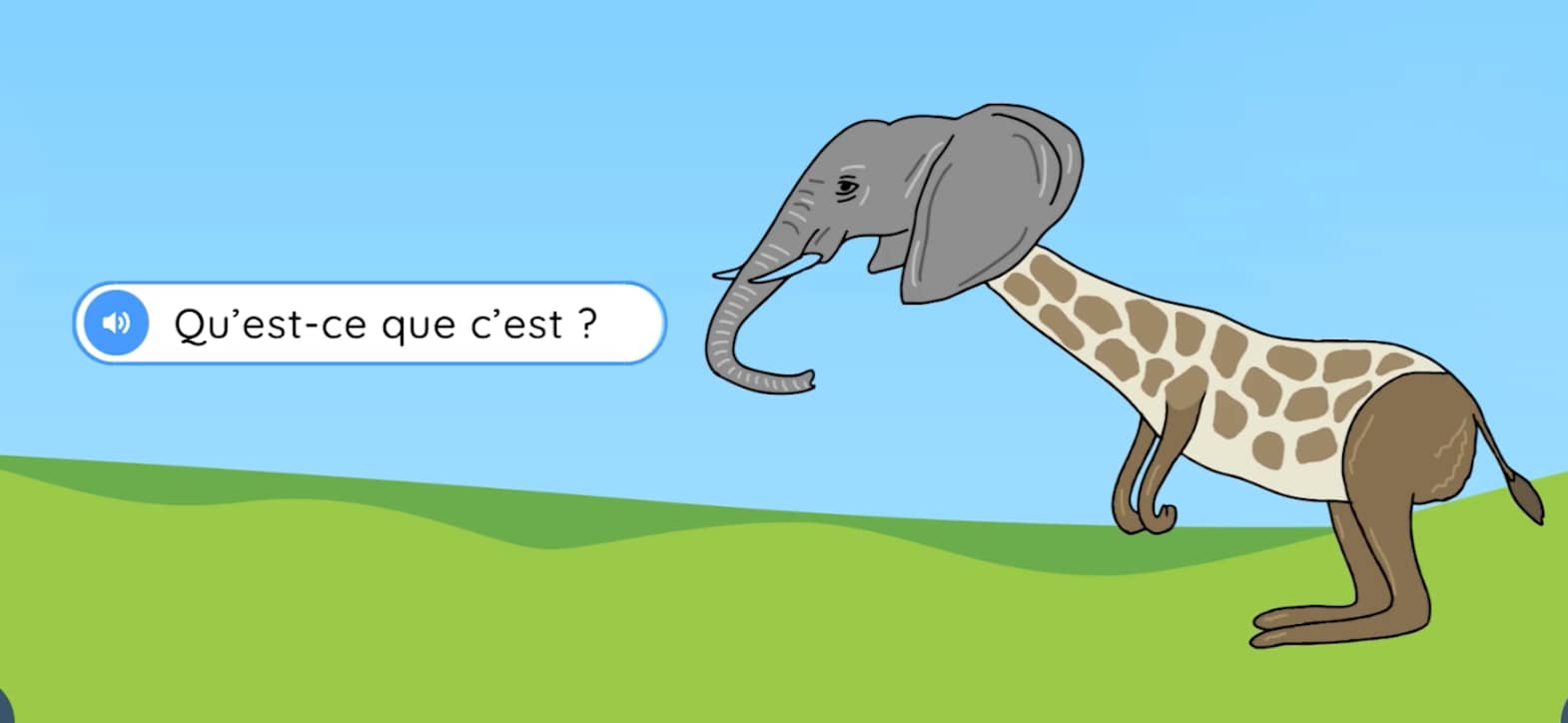
This French video introduces teachers to a creative sentence-building activity inspired by Spike Milligan’s playful poetry. Pupils combine animal nouns and body parts to invent fantastical creatures, applying prior learning on gender, liaison, and sentence structure.
Teacher video: About a beast
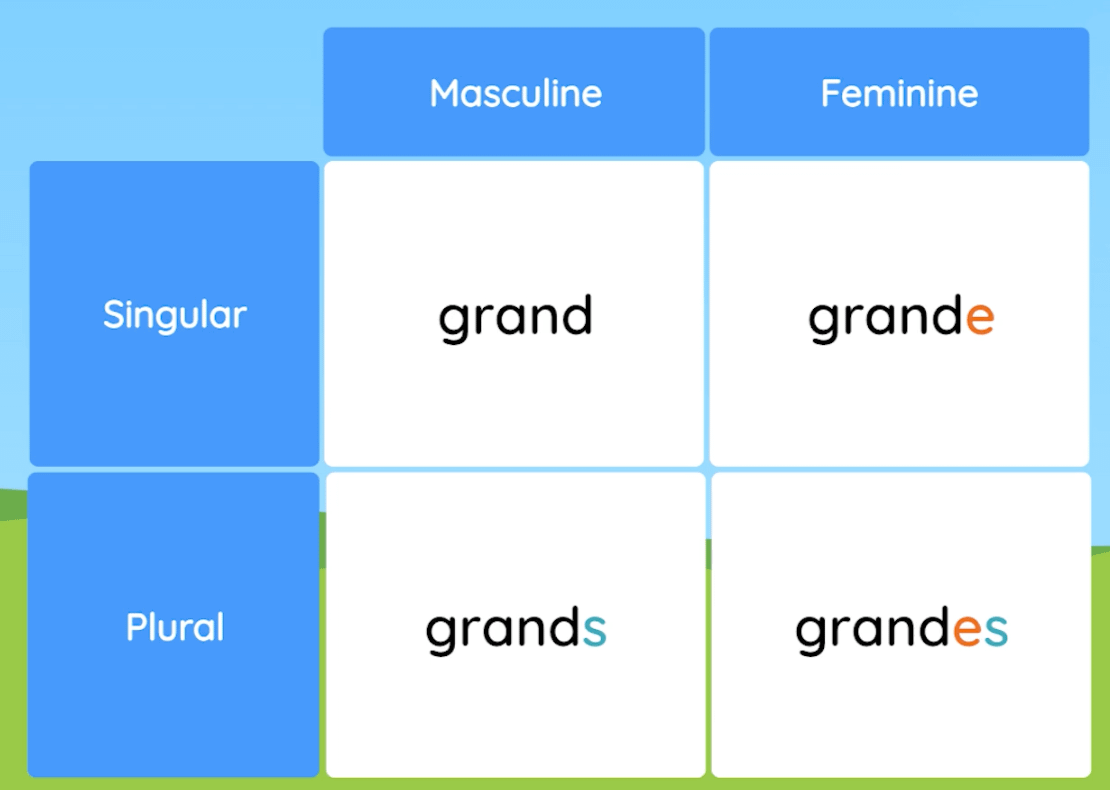
This French video introduces teachers to a dynamic, movement-based approach for teaching adjectival agreement. Pupils explore how adjectives change according to the gender and number of the nouns they describe, starting with a sorting task to group adjectives into “families” and spot patterns in endings.
