


This video explores how to approach physical health education in RSHE lessons. Sarah discusses the importance of teaching children about the links between diet, sleep, and physical activity, and how these lessons can complement subjects like D&T and PE. She offers guidance on handling sensitive issues such as childhood obesity, family eating disorders, and lack of parental support, while maintaining a safe and respectful classroom environment. The interview also highlights the Eatwell Guide as a model for healthy eating and stresses the importance of promoting balance over restriction. Finally, it addresses how to spot signs of illness in pupils without causing unnecessary anxiety.
year: Year 5
Teacher video: Friendships
This video explores the theme of friendships in RSHE lessons. Sarah discusses how children are taught to form and maintain friendships, understand that falling out is normal, and practise friendly behaviours. She explains how to support children who struggle with friendships using distancing techniques like stories and puppets, and how to include those who may not have close friends but are content. The video also advises teachers on handling repetitive content and real-life class situations by adapting lesson scenarios while ensuring they remain depersonalised and inclusive.
Teacher video: Introduction to RSE & PSHE
In this introductory video, Sarah outlines how teachers can confidently deliver RSE within the PSHE framework. She explains the importance of establishing ground rules to create a safe learning environment, using distancing techniques, and ensuring inclusive language aligned with the Equality Act. The video also offers strategies for handling sensitive questions, adapting lessons for children with SEN, and helping pupils know where to seek support—empowering teachers to approach RSE with clarity and confidence.
Teacher video: Families

In this RSE & PSHE video, Kate explores how to teach the theme of families in an inclusive and sensitive way. The discussion covers the diversity of family structures, including same-sex parents, extended families, and looked-after children, as well as how to address sensitive topics like loss and change. Kate also offers practical advice on language use, creating a safe learning environment, and navigating statutory requirements, helping teachers ensure that every pupil feels represented and supported.
Webinar recording: RSE & PSHE Q&A with Sarah Huggins – 15th September 2020
This video features a question-and-answer session with Sarah Huggins focused on RSE (Relationships and Sex Education) and PSHE (Personal, Social, Health and Economic education). The discussion likely covers best practices for delivering RSE and PSHE in primary schools, addressing teacher concerns, setting classroom ground rules, inclusivity, safeguarding, and how to answer pupil questions appropriately. The date suggests it was produced shortly after RSE became statutory, so it may also include guidance on implementing the new requirements confidently.
Webinar recording: Computing Q&A with Cat Lamin – 9th Nov 2020

This video features a Q&A session with Cat Lamin, focusing on teaching Computing in primary education. It addresses common challenges faced by teachers, practical solutions for implementing computing curricula, and tips for improving teacher confidence and student engagement in computing topics. Find the accompanying slides here.
Webinar recording: Teaching Art remotely with Susan Coles – 11th February 2021
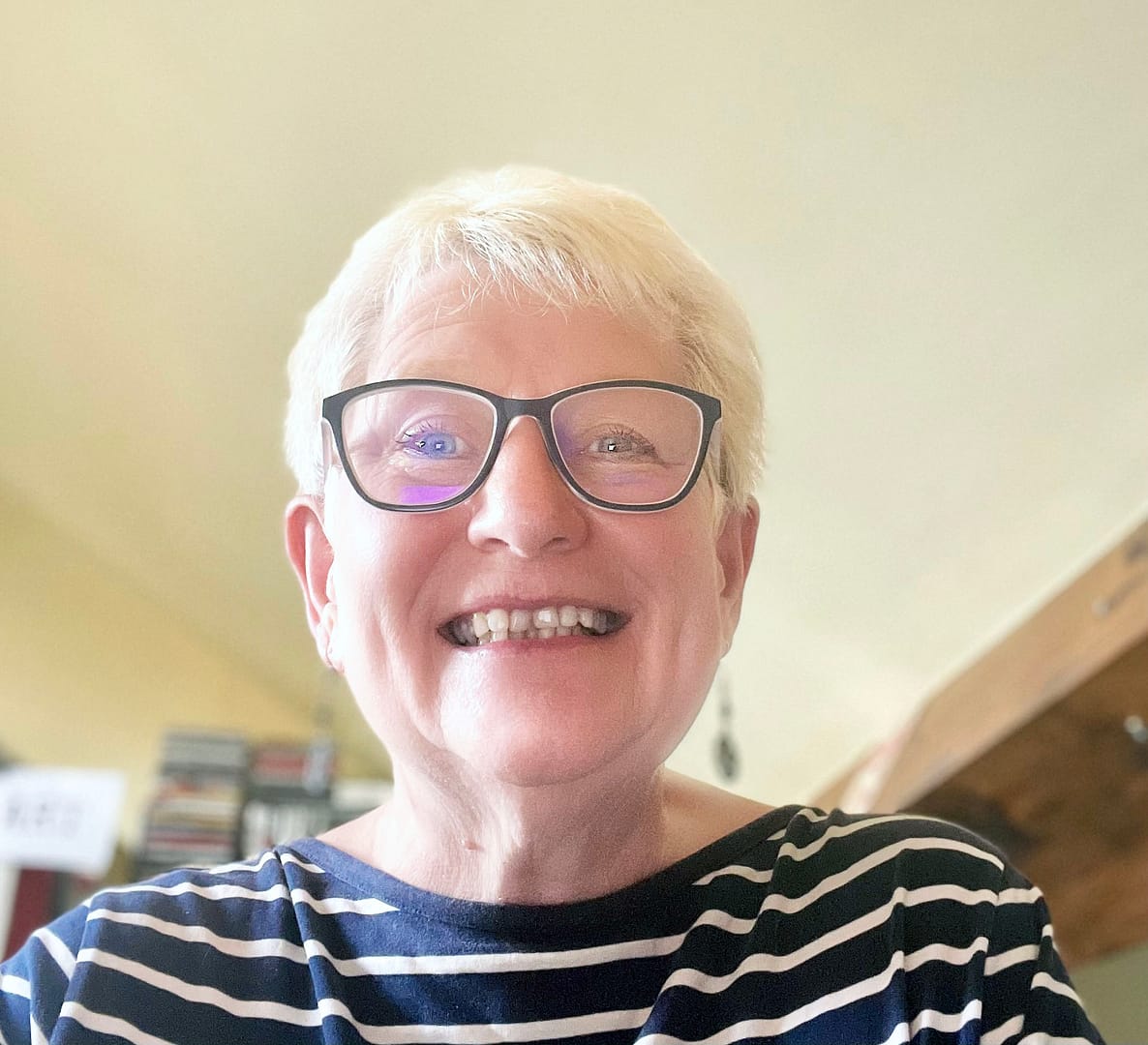
Recorded during the school closures in 2020/2021, this webinar recording provides guidance from Susan Coles on how to teach Art and design remotely.
Webinar recording: Covid-friendly primary Music lessons – 14th October 2020
Webinar recording: Exploring Kapow Primary’s KS2 Music “Ancient History” Topics

Find the accompanying slides here.
