The Knowledge organiser provides a visual summary of the key facts and vocabulary for the unit. The children can use it as directed to check keyword meanings or spellings and to help them remember important information when completing an activity. However, be aware that sharing the outcomes of the planned enquiries at this stage of the unit may spoil the discovery element of the practical work. Find further ideas for using the Knowledge organiser to support adaptive teaching here.
This unit is a biology topic. Biology is the study of living things and their processes.
Informing the pupils about the specific branch of science that this unit belongs to is at the teacher’s discretion.
Subject knowledge
- Digestion includes both mechanical (physical breaking up) and chemical (use of acid and enzymes) digestion to break the food into smaller pieces; this prevents blockages and ensures molecules are small enough to be absorbed through the digestive system into the blood.
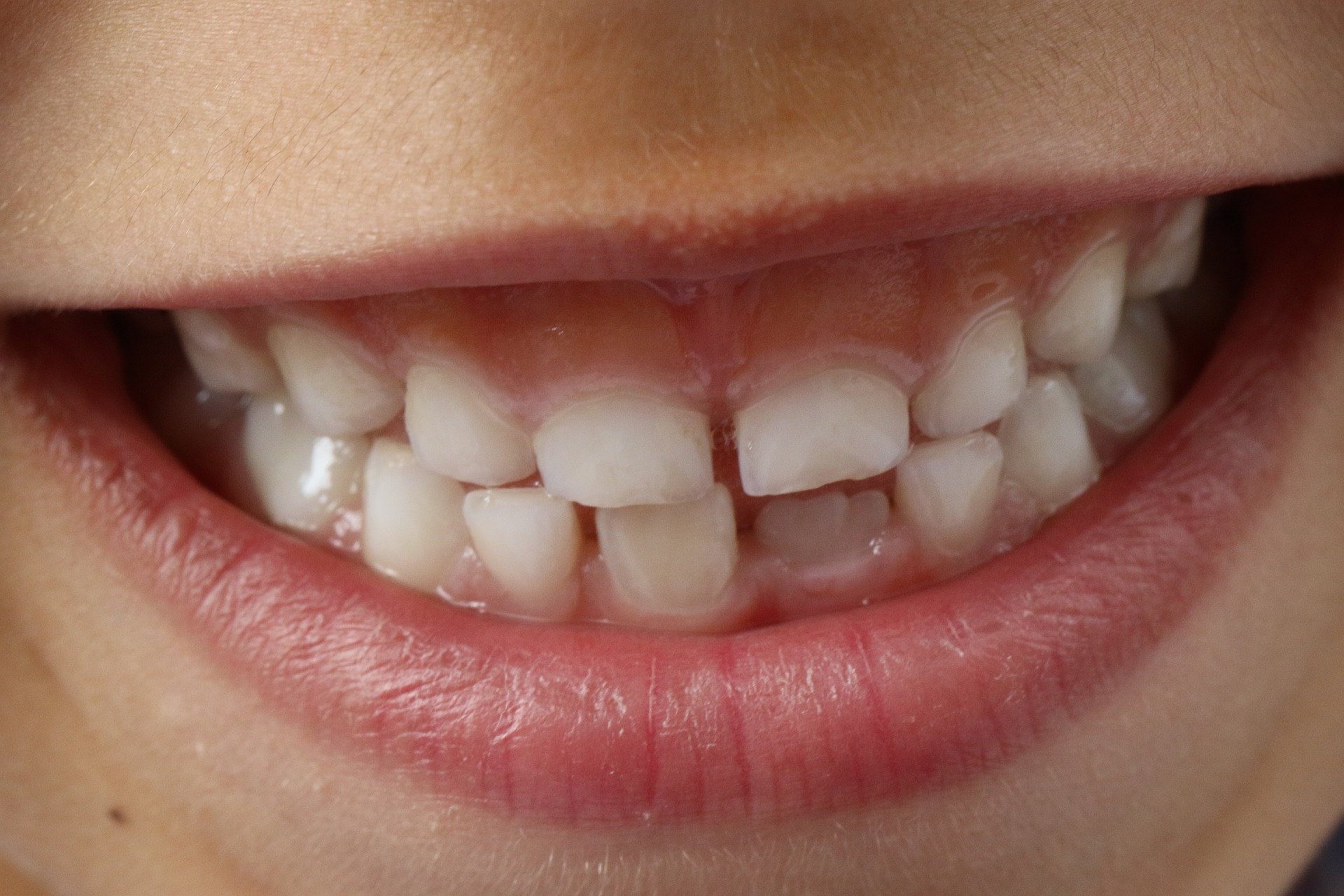
- Digestion begins in the mouth, where the teeth physically break up food and saliva softens and begins to digest the food chemically.
- When swallowing food, the epiglottis (a flap at the back of the throat) directs food down the oesophagus and away from the trachea (windpipe).
- The oesophagus is muscular and actively squeezes food along to the stomach. It means people can swallow even upside down (although this is not advised as it is a choking hazard).
- Strong stomach acid breaks down food further in the stomach. If the acid moves up into the oesophagus, it can damage any structures it contacts. People experience this as heartburn or acid reflux.
- The average adult small intestine is approximately six and a half metres long.
- The large intestine is wider in diameter than the small intestine, approximately one and a half metres long and responsible for absorbing water back into the bloodstream.
Note: the digestive system of animals can differ.
Misconceptions
The children may think that:
- ‘Digestion starts in the stomach’ – digestion starts in the mouth.
- ‘Digestion continues into the large intestine’ – no digestion occurs in the large intestine, just water absorption.
- ‘The digestive system has two outlets; one for faeces and one for urine’ – there is only one outlet from the digestion system which removes faeces. The kidneys (part of the urinary system) filter water from the blood and produce urine.
- ‘The stomach is located by the navel’ – the stomach is located just below the ribs.
- ‘A food group is the same as a nutrient group’ – a nutrient group refers to the molecules essential for life (carbohydrates, proteins, fats/lipids, vitamins, minerals, fibre and water) rather than foods with similar nutritional values.
- ‘The appendix is part of the digestive system’ – although it is attached to the large intestine, it does not play a role in digestion.
Lesson organisation
Use the Resource Stretch and Challenge: Digestion and food as an extension and revision opportunity. Throughout the unit, the children can select activities and complete them independently in their books.