


Revised RSE & PSHE curriculum for 2026
This page is designed for parents and carers to:
- Find answers to common questions about RSE & PSHE.
- Understand what is included in the Kapow Primary RSE & PSHE scheme.
- Learn about parents’ rights in relation to RSE & PSHE, particularly around sex education.
- Understand the benefits of RSE & PSHE and how they can support your child’s learning.
Schools may adapt how they use Kapow Primary’s RSE & PSHE scheme to suit their pupils and community. For specific information about how RSE & PSHE are taught in your child’s school, refer to your school’s RSE & PSHE policy.
1. What will my child learn?

What is RSE & PSHE?
RSE stands for Relationships and Sex Education. PSHE stands for Personal, Social, Health and Economic education and often includes Citizenship. This area of learning may be referred to by different names in schools, such as RSHE, PSHCE, Life skills, Personal development or Circle time.
Together, RSE & PSHE support pupils to understand themselves, their relationships with others and the world around them. Through this learning, pupils develop the knowledge and skills needed to build healthy relationships, care for physical and mental wellbeing, understand their role in society and stay safe in a range of situations, including online.
Why teach RSE & PSHE?
RSE & PSHE support pupils’ wellbeing, relationships and safety, meeting statutory guidance. Key areas include:
- Relationships Education (families, friendships, respect, positive relationships).
- Health Education (physical and mental health, healthy lifestyles, safety).
While skills like resilience and communication are sometimes assumed to develop naturally, varying home and world experiences mean this is not always the case. Explicit RSE & PSHE teaching ensures all pupils learn and practise these skills (e.g. managing emotions, communication, decision-making) in a structured way.
RSE & PSHE create a safe space for pupils to ask questions, explore ideas and reflect on real-life situations. Revisiting key themes each year allows learning to build gradually, helping pupils develop confidence, understanding and strategies for everyday life.
What will my child learn about?
Overview
Through the Kapow Primary RSE & PSHE scheme of work, pupils learn about a range of topics that support their wellbeing, relationships and personal development.
These topics are organised into key areas, which are revisited across different year groups so pupils can build their understanding and confidence as they move through primary school.
Key areas
- My healthy self – learning how to look after mental and physical health and making choices that support wellbeing.
- Connecting with others – learning to build positive relationships, communicate with respect and understand the importance of kindness and boundaries.
- The online world – learning to use the internet safely, recognise risks and behave responsibly when communicating or accessing information online.
- Citizenship – learning how to take part in their communities, understand rules, rights and responsibilities, appreciate diversity and fairness and develop early financial literacy.
- Staying safe – learning how to recognise risks, respond safely in different situations and seek help when something feels wrong or unsafe.
- Growing up – learning about the changes that happen as they grow, including puberty and developing bodies and how to manage these changes with confidence.
- Health protection – learning how to prevent illness, manage basic first aid and understand how hygiene, vaccines and healthy habits help keep people well.
Reception
In Reception, RSE & PSHE learning focuses on developing the skills set out in the Early Years Framework for Personal, Social and Emotional Development. These include:
- Self-regulation – understanding feelings, managing emotions and beginning to control behaviour.
- Managing self – developing independence, resilience, understanding rules and looking after personal needs.
- Building relationships – learning to work and play with others, form friendships and show care for others.
Kapow Primary’s Reception units are designed to support these areas through age-appropriate activities, stories and discussions, helping pupils develop the foundations they need for learning and relationships as they move through school.
How can I find out exactly what my child is learning in each year group?
Schools inform parents and carers about RSE & PSHE learning through various methods. These may include sharing a short year-group overview of topics or unit Knowledge organisers – simple, two-page pupil documents summarising key ideas. Some schools also hold information meetings to explain teaching methods and answer questions.
Parents and carers have the right to view RSE & PSHE teaching materials – contact your child’s school if you would like to see resources in more detail. For details on how RSE & PSHE are taught in your child’s school, refer to the school’s RSE & PSHE policy, usually published on the school’s website.
Will my child be taught Sex education?
In primary schools, Relationships Education and Health Education are statutory parts of RSE & PSHE. Sex education is not statutory at primary level, though many schools opt to teach an optional Year 6 unit to prepare pupils for secondary school with accurate information.
Schools using Kapow Primary’s RSE & PSHE scheme can decide whether to teach the optional Year 6 Sex education unit, a decision detailed in the school’s policy. If a school chooses to teach this unit, the policy will also explain the unit content and parents’ right to withdraw their child from these lessons.
What if I have concerns about aspects of RSE or PSHE?
The frequently asked questions at the bottom of this page answer many common queries and provide details on specific learning areas.
Kapow Primary’s RSE & PSHE curriculum is carefully planned by specialists to gradually build age-appropriate understanding. Learning is designed to meet the Government’s statutory guidance by the end of primary school.
Some content, such as learning correct body part names and personal boundaries, is important for safeguarding and helps pupils communicate their worries or seek support.
For more information, contact your child’s school and review your school’s RSE & PSHE policy.

2. How is RSE & PSHE taught?
Does my child’s school use a scheme to support RSE & PSHE?
Many schools choose to use a scheme of work to support the teaching of RSE & PSHE. A high-quality scheme provides carefully sequenced lessons and well-designed resources, helping teachers deliver learning confidently and ensuring a consistent, age-appropriate approach across the whole school.
If you have been directed to this page, it is likely that your child’s school uses the Kapow Primary’s RSE & PSHE scheme. Kapow specialises in creating curriculum resources for primary schools, supporting the teaching of specialist subject areas and helping schools deliver engaging, well-structured lessons that fulfil statutory requirements.
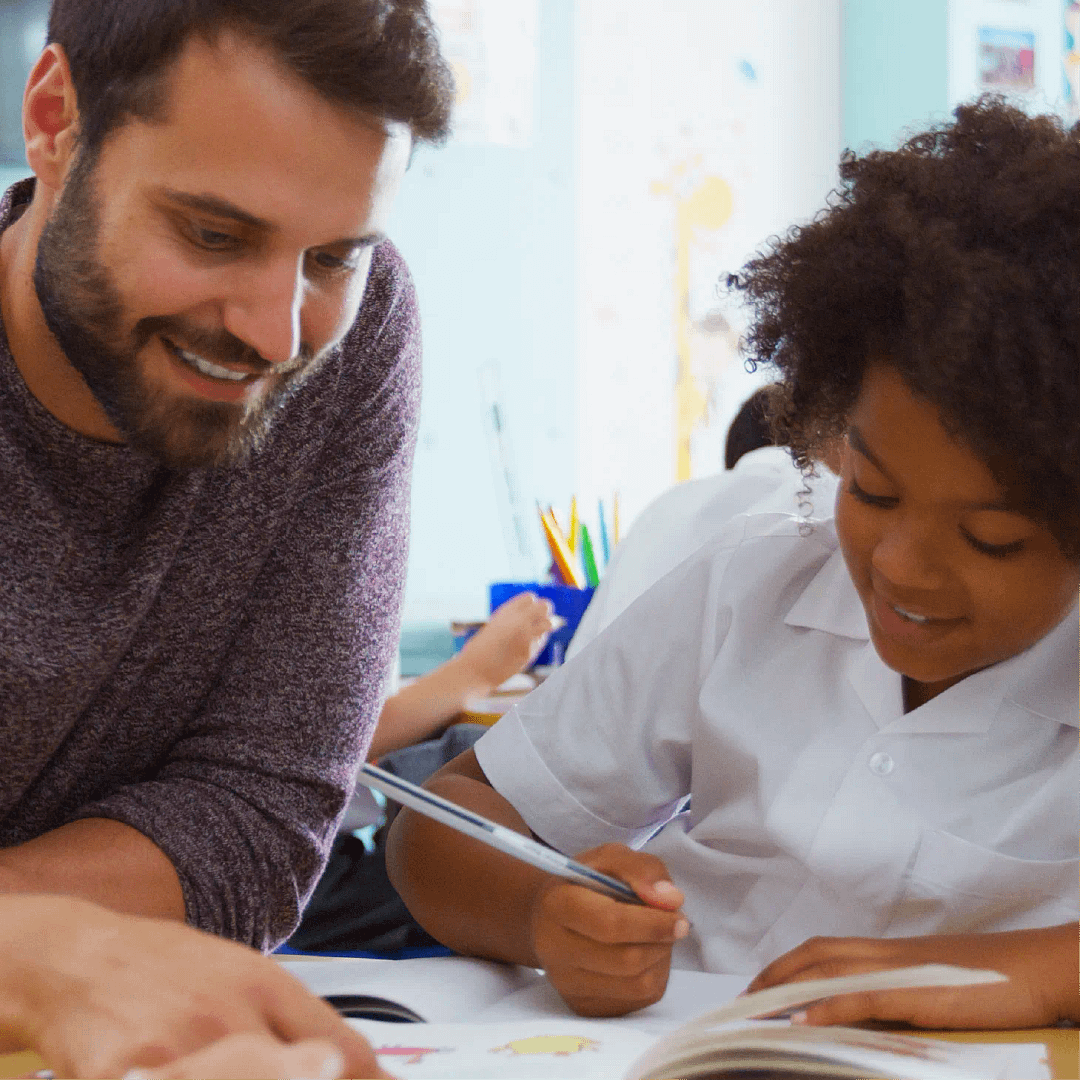
By using the Kapow Primary RSE & PSHE scheme, the school benefits from:
- A carefully planned curriculum and lessons – written by RSE & PSHE specialists, content has also been informed by wider expertise, including input from nutritionists and first-aid specialists, where relevant.
- A whole-school curriculum pathway – designed by curriculum specialists to ensure learning builds gradually from year to year and revisits key ideas in an age-appropriate way.
- Engaging lesson videos – created by Kapow Primary’s video team, these include animated content and real-life footage to help pupils understand concepts and see how learning applies to everyday situations.
- Clear guidance for teachers – this enables lessons to be delivered sensitively, takes into account pupils’ different backgrounds and needs and understands what pupils have already learned in previous year groups.
For full details of the school’s approach to RSE & PSHE, including how the Kapow Primary scheme is used alongside other resources or teaching approaches, refer to the school’s RSE & PSHE policy.

How often will my child have RSE & PSHE lessons?
Kapow Primary recommends teaching RSE & PSHE weekly to support pupil wellbeing. However, schools may also teach aspects of the RSE & PSHE curriculum in a range of ways, including in assemblies or class meetings, or by adding lessons to address specific pupil needs (e.g. friendship issues).
This flexibility ensures learning is relevant and responsive while meeting statutory requirements. For details on how RSE & PSHE is taught, parents should consult their school’s policy.
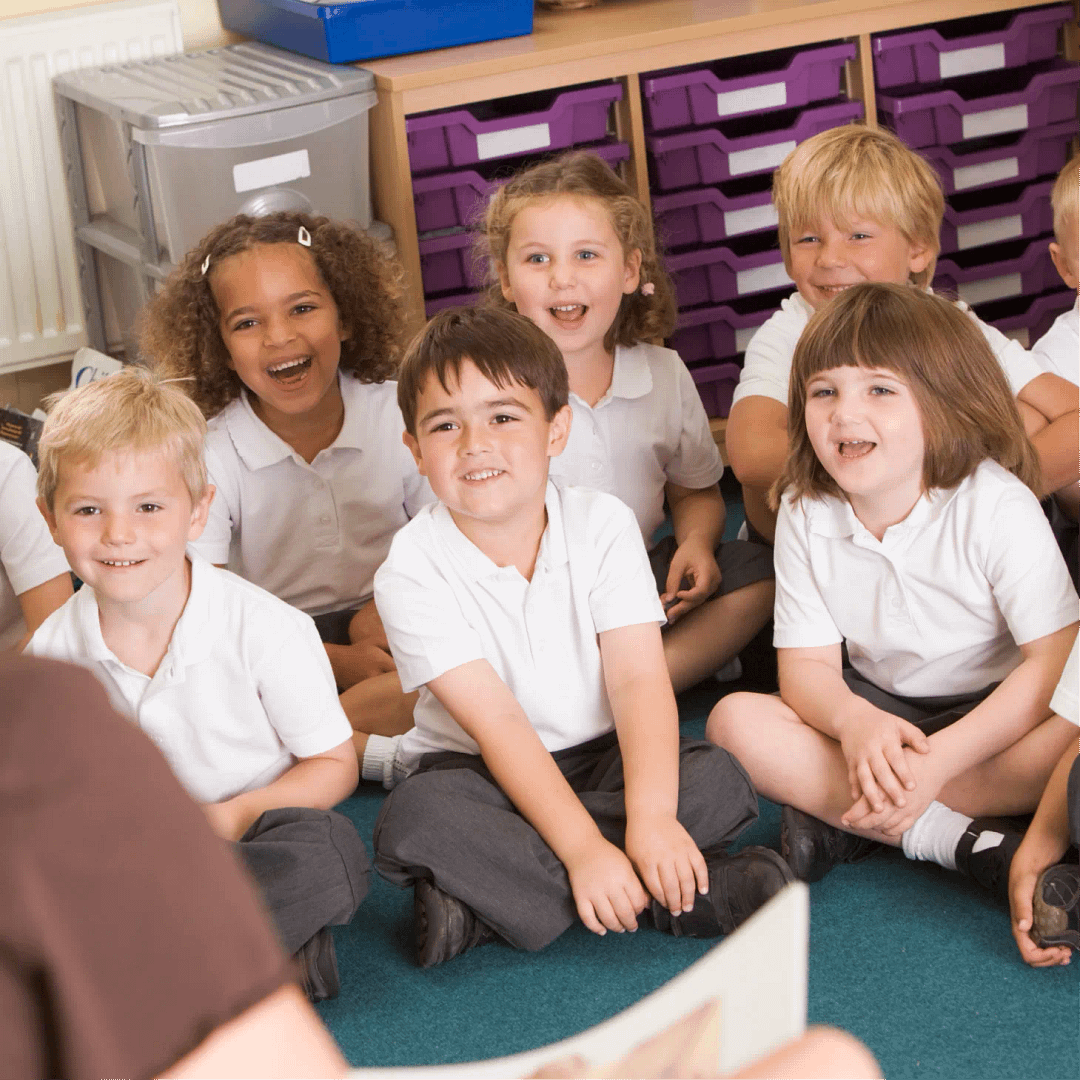
What happens in an RSE & PSHE lesson?
Lessons typically start with a recap activity to build on prior learning. Teachers then clarify the lesson’s focus, so pupils understand what they are learning and why.
New ideas are often introduced via short videos (animated or featuring carefully selected footage) to enhance understanding, with teachers guiding discussion and reinforcing any key points.
Pupils then engage in a range of activities (such as scenarios, discussions, individual and group tasks) to practise and explore the learning in depth. Lessons conclude with reflection and a check of understanding to consolidate the learning.
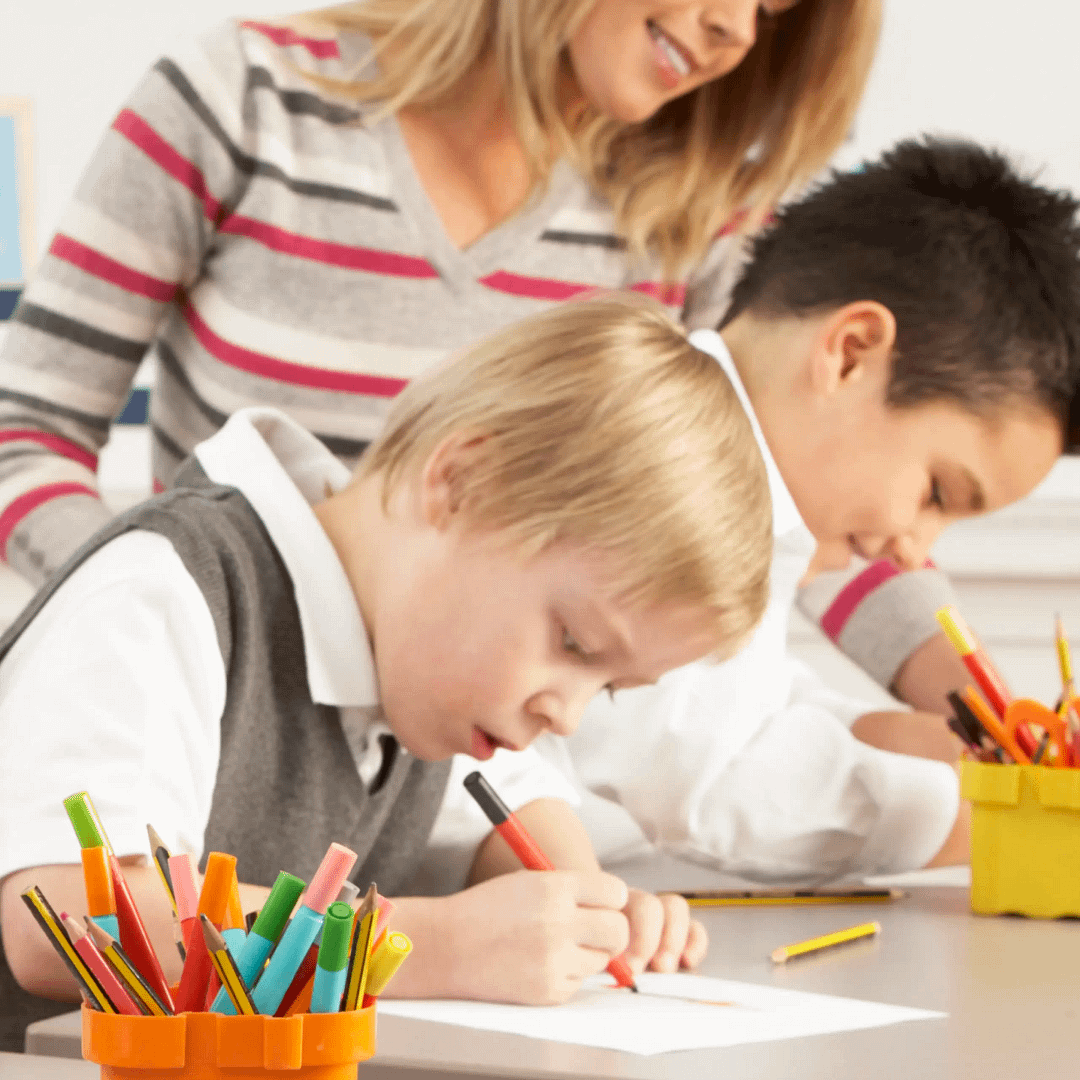
Do pupils have to talk about their own lives in RSE & PSHE lessons?
No. In RSE & PSHE lessons, learning is intentionally structured so that pupils can explore ideas without discussing their own home life or personal experiences.
Kapow Primary’s RSE & PSHE lessons use stories, scenarios and fictional characters that reflect a wide range of family set-ups, backgrounds and experiences. By regularly revisiting the same characters, pupils become familiar with their lives and situations, allowing them to explore sensitive topics at a safe distance. This approach supports thoughtful discussion and reflection, without requiring pupils to share personal experiences.
How are sensitive topics handled in lessons?
Sensitive topics
Some topics in RSE & PSHE may feel sensitive for children or families. These can include learning about friendships and conflict, feelings and mental wellbeing, personal boundaries, growing up and puberty, online safety and, for older pupils, reproduction.
In some cases, topics may also feel sensitive for individual pupils due to personal experiences.
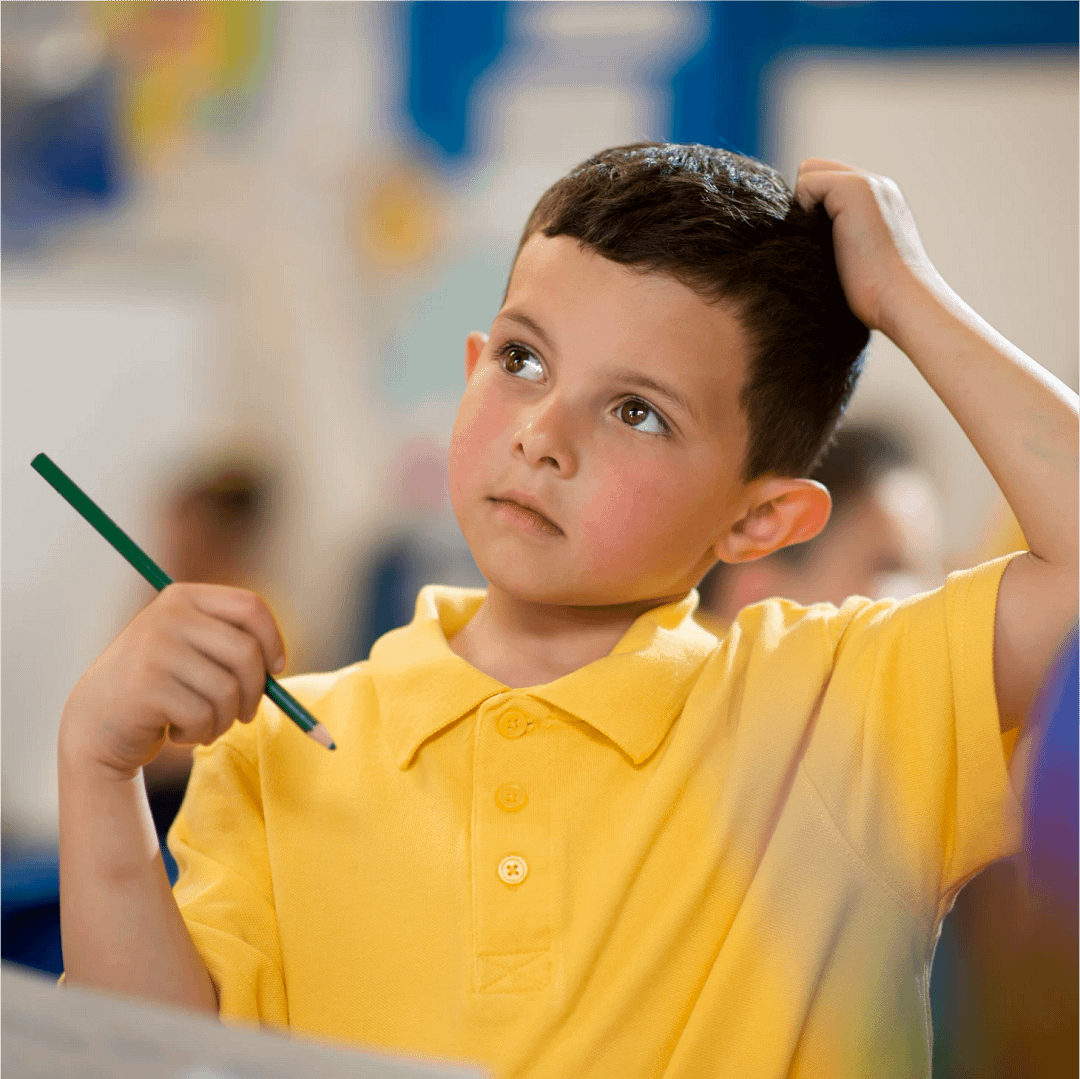
Signposting
Kapow Primary lesson plans highlight potential sensitivities in advance and provide teachers with guidance on how to introduce topics carefully, what language to use and how to respond if pupils find learning difficult.
For example, learning about:
- Families may be difficult for a child who has experienced bereavement or a family change.
- Healthy eating may feel challenging for a child who struggles with their relationship with food or their body.
- Emotions and behaviour may be sensitive for children who find managing feelings or behaviour difficult.
Teachers are guided to be mindful of these possibilities and to create a supportive and inclusive classroom environment.
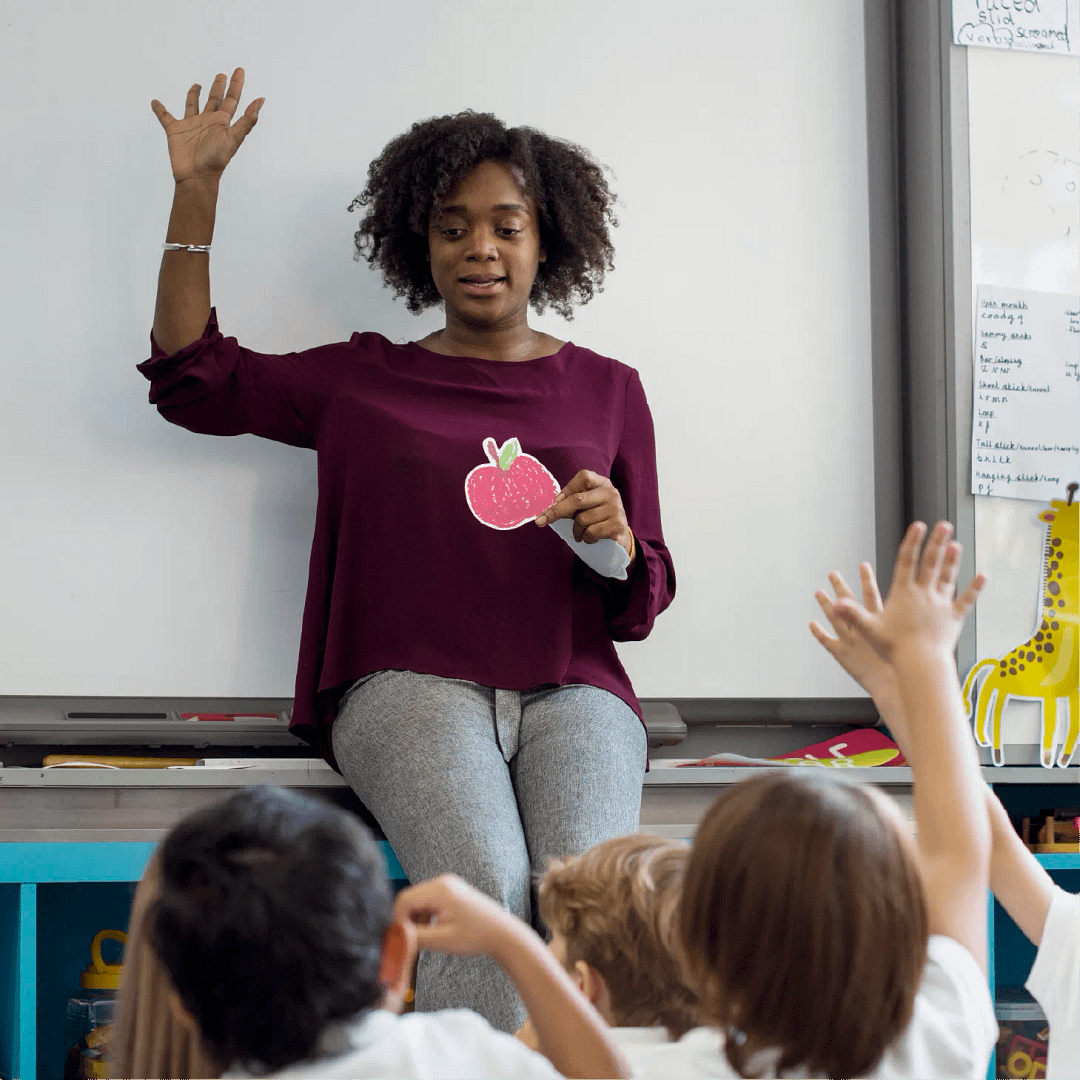
Distancing techniques
Sensitive topics are explored through stories, scenarios and fictional characters, rather than focusing on pupils’ own lives. These characters represent a wide range of backgrounds, family set-ups and personal experiences.
By revisiting the same characters over time, pupils become familiar with their situations. This allows sensitive issues to be explored at a safe distance, while still recognising aspects of themselves or others within the characters.
This approach supports the development of empathy, kindness and understanding, without placing pressure on pupils to share personal information.
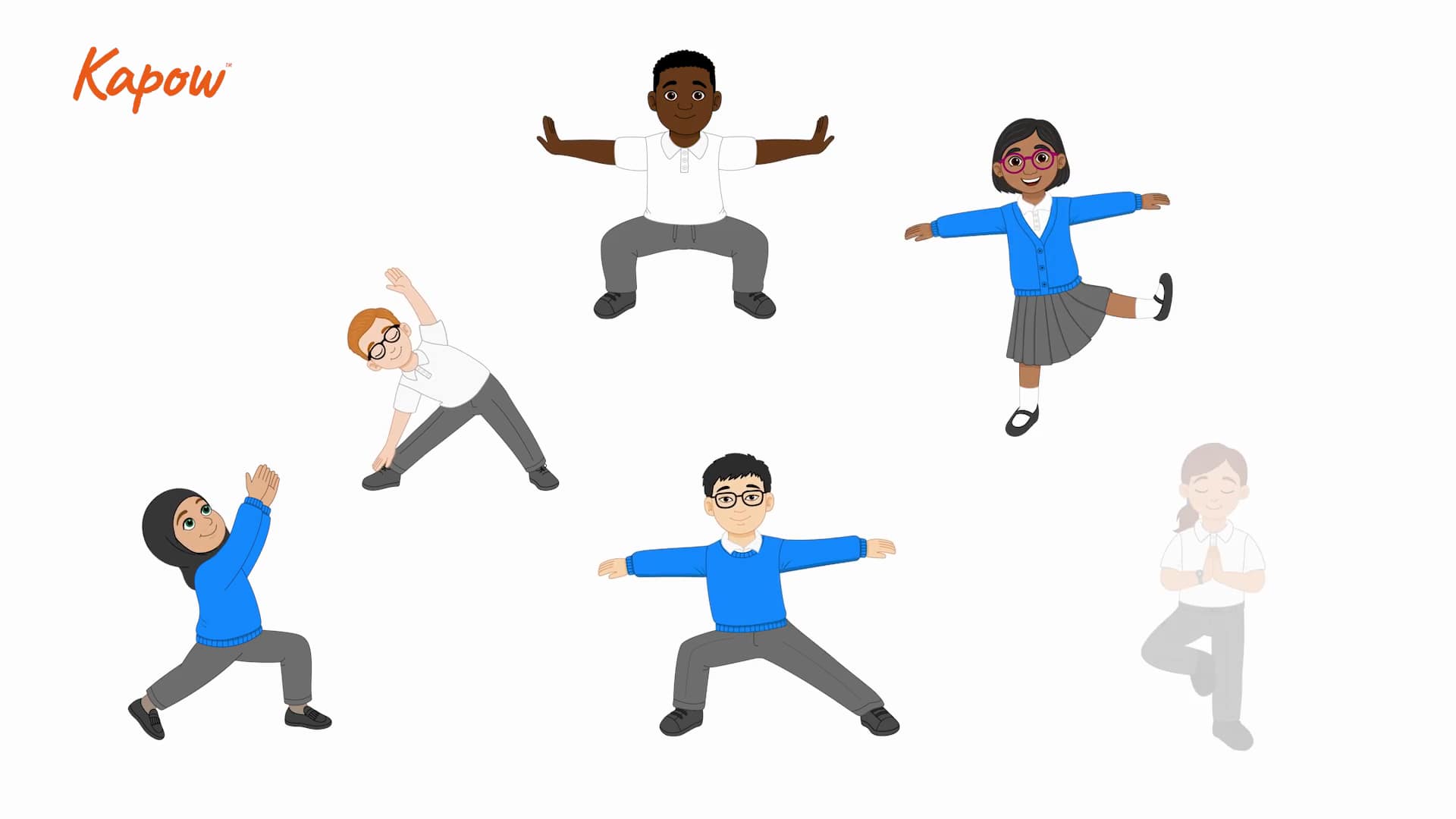
Ground rules
Clear ground rules are used in RSE & PSHE lessons to ensure discussions are respectful and supportive. Pupils are reminded to listen to others, use appropriate language and understand that different families, experiences and views exist.
Pupils are never required to share personal details; participation is always optional. This approach helps create a safe classroom environment where pupils can learn, share ideas and ask questions with confidence.
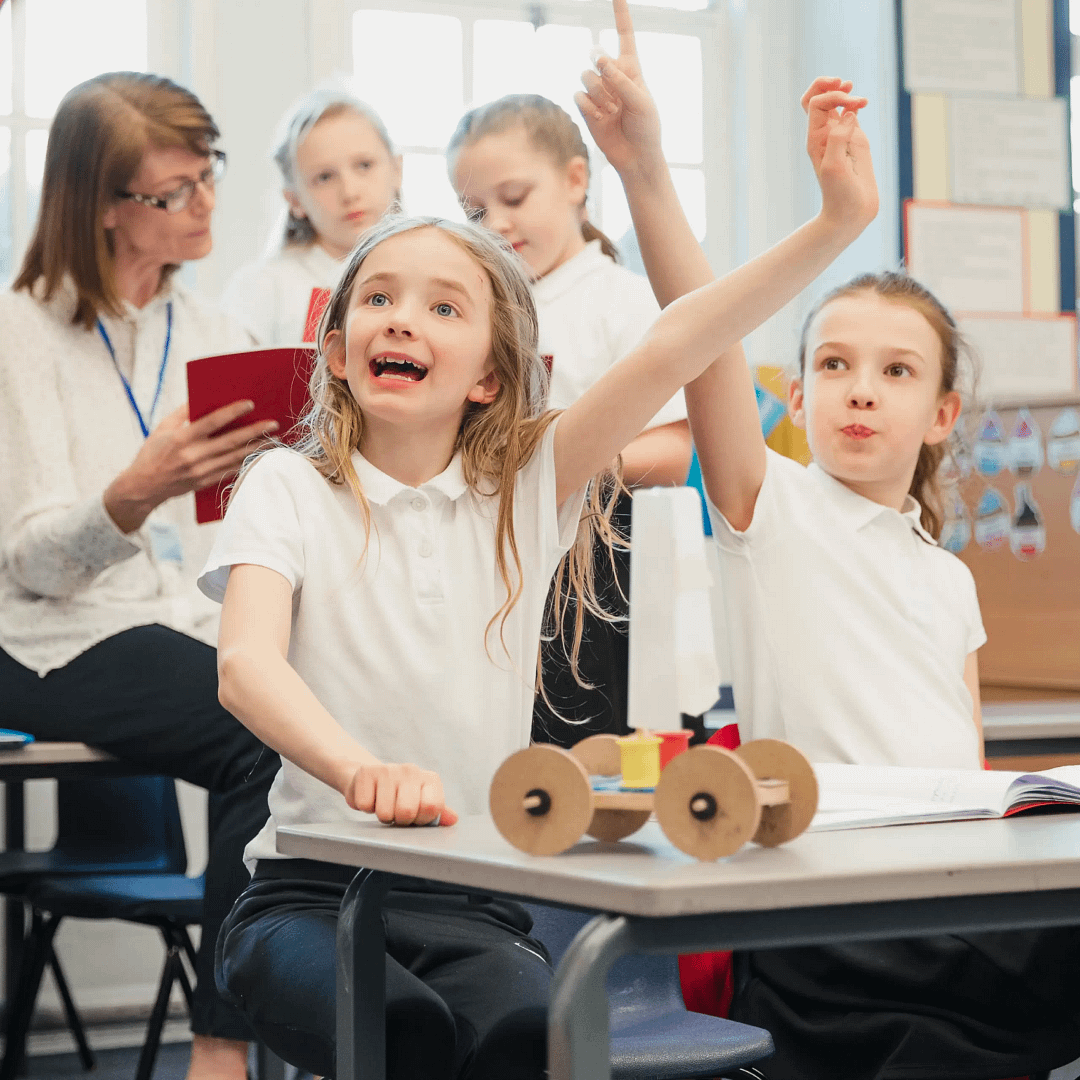
3. Working together to support your child
How does a good RSE & PSHE curriculum support my child?
A well-planned and carefully taught RSE & PSHE curriculum can support the pupils’ wellbeing in the following areas:
- Confidence – helping pupils understand emotions, recognise strengths and express themselves, benefiting them in school and daily life.
- Self-regulation – developing strategies to manage behaviour and respond to challenges by learning about emotions, choices and consequences.
- Relationships – teaching about friendships, communication and conflict resolution to build stronger, more respectful relationships.
- Empathy – encouraging understanding of different perspectives and experiences.
- Respect – contributing to a positive, respectful environment and helping pupils recognise the impact of their words and actions.
How can I support my child with their learning in RSE & PSHE?
Knowing what and when your child is learning in RSE & PSHE is the best starting point for support. Schools often share curriculum overviews to help parents and carers understand topics and support learning at home.
RSE & PSHE learning often links closely to everyday situations at home and school. For example:
- Food and health – conversations at mealtimes can help children understand how different foods support their bodies.
- Resilience – adults can encourage children to keep going when something feels difficult and reflect together on how challenges are managed.
- Friendships and relationships – everyday situations can provide opportunities to talk about kindness, fairness and resolving disagreements.
- Feelings and emotions – adults can support children to name and talk about how they feel in different situations.
- Keeping safe, including online – real-life examples can be used to discuss choices, boundaries and where to seek help.
RSE & PSHE focuses on real-life skills; everyday moments at home are valuable opportunities for children to practise and make sense of what they learn at school.
What if my child asks a question I'm not sure how to answer?
It is normal to feel unsure about answering sensitive questions. It is also okay to say you are not sure, need time to think, will find out together or need to seek school guidance.
Simple, honest and age-appropriate answers are best; you do not need to provide lots of detail or have all the answers straight away.
If you have concerns or would like support, speak to your child’s teacher or the RSE & PSHE subject leader; schools can explain their approach and share resources. The most important thing is that children feel listened to, reassured and know they can ask a trusted adult.
What if I have any queries about how RSE & PSHE are taught?
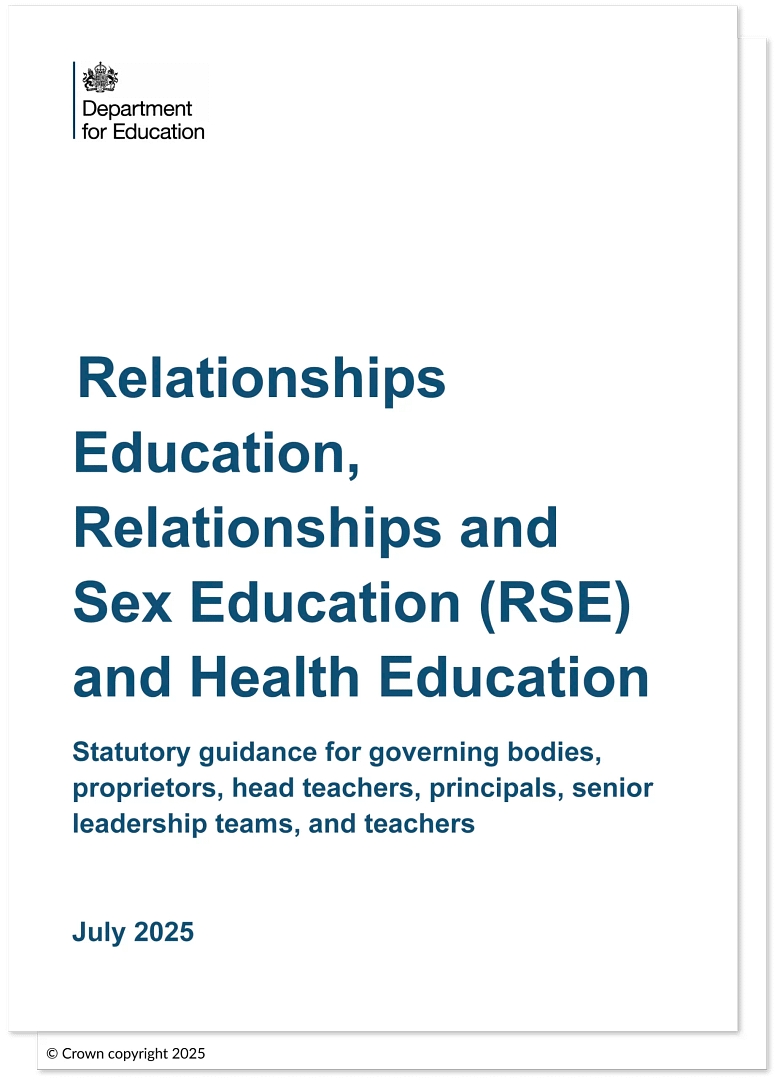
Much of what schools teach is guided by the Government’s statutory requirements. Reviewing the statutory guidance can clarify what all state schools must teach and often answer any questions.
Schools also have their own RSE & PSHE policy, which outlines their approach, including how sensitive topics are covered and any additional content. This policy is typically reviewed every few years, with parents and carers usually consulted. Share any feedback or suggestions with the school to help ensure they are considered at the next review.
For specific questions or concerns, contact your child’s teacher or the RSE & PSHE subject leader. They can explain their approach, answer questions and share relevant resources.

Frequently asked questions
Unable to find the answer you are looking for?
No. Primary schools are not required to teach Sex education. However, statutory guidance recommends that schools teach Sex education in Year 5 and/or Year 6, alongside learning about conception and birth, which is included within the Science National curriculum.
Parents and carers have the right to withdraw their child from non-statutory Sex education, even where a school chooses to teach it. Refer to the school’s RSE & PSHE policy for further details.
For schools following Kapow Primary RSE & PSHE, learning is introduced gradually and built over time. In Year 2, pupils are introduced to the concept of bodily changes as they grow, covered in the ‘Growing up’ unit.
In Year 4, learning focuses on the changes that occur as children grow and how to manage them, rather than why they happen, with an emphasis on reassurance and practical strategies. Learning covers menstruation and the introduction of the term ‘puberty’.
In Year 5, pupils explore why these changes occur and learn more about the biological processes involved in puberty, including the role of hormones. This includes learning about the menstrual cycle and other puberty changes, such as erections and wet dreams. This learning links with the Science curriculum, where pupils study the changes during puberty and reproduction in animals.
For accurate information about when puberty and periods are taught, parents and carers should refer to their school’s RSE & PSHE policy, which sets out the school’s approach.
Relationships and Health Education statutory guidance states that all pupils should learn about the changes that happen during puberty before they leave primary school. The guidance does not require learning to be taught separately based on sex and there is no statutory expectation for boys and girls to be taught apart.
Teaching pupils together helps ensure that everyone understands the changes that both boys and girls experience during puberty. This can help reduce stigma, embarrassment and teasing by normalising these changes and encouraging empathy and respect.
Some schools choose to offer separate question-and-answer sessions if they feel pupils may be more comfortable asking questions in single-sex groups. Parents and carers should refer to their school’s RSE and PSHE policy for details of how puberty education is taught.
Kapow Primary’s RSE & PSHE curriculum has been developed in consultation with specialists in RSE & PSHE education. This has helped ensure that content, language choices and sequencing are age-appropriate, inclusive and aligned with statutory guidance and best practice.
Outdated or potentially stigmatising terms are avoided in favour of neutral, factual language. For example:
- ‘Menstrual products’ or ‘period products’, rather than ‘sanitary products’.
- The correct scientific names for body parts, rather than slang or euphemisms.
- Neutral language that recognises the different ways babies may be born, rather than terms such as ‘natural birth’.
These choices help reduce stigma, avoid value judgements and support respectful, inclusive teaching.
Kapow Primary introduces the correct names for external private body parts in Years 1 and 2, as outlined in the statutory guidance. These include ‘penis’, ‘vagina’, ‘testicles’ and ‘nipples’.
Using correct body part terminology from an early age is vital for safeguarding, as it allows children to report concerns clearly. It also normalises these terms and aligns with the Year 1 Science curriculum.
In Year 4, pupils learn the correct names for external body parts that change during puberty, such as ‘breasts’, ‘armpits’ and ‘Adam’s apple’; and learn vocabulary to describe visible changes, such as the growth of pubic hair.
In Year 5, pupils learn about the internal reproductive organs, such as the ‘uterus’, ‘ovaries’ and ‘fallopian tubes’ to understand the menstrual cycle. They also learn puberty-related terms such as ‘erections’ and ‘wet dreams’.
In Year 6, schools may add an optional Sex education unit where pupils revisit internal reproductive organ vocabulary and learn new terms like ‘sperm’, ‘egg cell’, ‘fertilisation’ and ‘conception’.
Parents and carers should refer to their school’s RSE & PSHE policy for details of how this area is approached in their child’s school.
Within the Kapow Primary RSE & PSHE scheme, sexual orientation is not taught explicitly. However, same-sex relationships are represented naturally within lessons about family life and relationships.
When pupils learn about different types of families, statutory guidance recommends that schools include same-sex parents alongside other family set-ups and this is reflected in the Kapow Primary RSE & PSHE scheme. These examples sit alongside other family structures and are presented in a factual, age-appropriate way.
Kapow Primary RSE & PSHE addresses marriage and civil partnerships in line with statutory requirements, emphasising that these are formal, legally recognised and intended to be lifelong commitments. Furthermore, the scheme aims to develop pupils’ understanding of healthy, loving relationships and promote respect for all individuals.
Parents and carers should refer to their school’s RSE & PSHE policy for details of how this area is approached in their child’s school.
Kapow Primary RSE & PSHE does not include teaching about gender identity or gender reassignment as concepts. However, pupils are taught to treat others with kindness and respect across the curriculum. This includes learning to challenge gender stereotypes, recognise unfair assumptions and understand that people may express themselves in different ways.
The scheme also includes a diverse range of characters and scenarios that reflect differences in interests, personalities and family life, including children who do not conform to traditional gender stereotypes. This approach aligns with statutory guidance, which requires primary schools to promote respect, challenge discrimination and avoid reinforcing harmful stereotypes, while ensuring learning remains age-appropriate.
Kapow Primary’s ‘Online world’ lessons in each year group help pupils develop the understanding and judgement they need to navigate online content safely. Rather than showing pupils potentially upsetting examples, lessons use age-appropriate scenarios to build early critical thinking skills and help pupils understand that not everything online is accurate, trustworthy or intended for children.
- Years 1 and 2 – learning that some online content is not suitable for children and that they should tell a trusted adult if something online makes them feel worried or uncomfortable.
- Years 3 and 4 – recognising that information online may be inaccurate or misleading and learning to think carefully about what they read or share.
- Years 5 and 6 – exploring how online content can influence people’s thoughts, choices and behaviour, including how advertising works and how messages can be designed to persuade.
Across the curriculum, pupils are encouraged to question what they see online and know how to seek help if something makes them feel unsafe.
Many social media platforms and some online games have minimum age requirements – often 13 and older. These age limits are explained to pupils when the topic is discussed. Even if children do not use social media themselves, they may still encounter similar types of online interaction through games, messaging features, shared devices or video platforms. For this reason, Kapow Primary’s RSE & PSHE curriculum helps pupils understand how people communicate and behave in online spaces before they begin using these platforms.
Lessons do not focus on specific apps or sites. Instead, pupils explore common features of online communication, such as sharing images, posting comments and communicating in group messages, using fictional or recreated examples. Pupils are not asked to share their own experiences. The focus is on discussing scenarios, understanding respectful behaviour online and knowing how to seek help if something makes them feel uncomfortable.
Kapow Primary RSE & PSHE highlights that families may make different decisions about when children can use certain platforms and that age restrictions are designed to help keep children safe online.
Kapow Primary RSE & PSHE helps pupils develop a balanced understanding of how online activity can affect their wellbeing. Rather than presenting the internet as entirely positive or negative, pupils are encouraged to consider both its benefits and potential drawbacks. Across the curriculum, pupils explore how online communication can support friendships and learning, while also recognising that excessive screen time or certain types of content can affect how people feel.
In the ‘My healthy self’ lessons, pupils learn about healthy habits such as staying active, getting enough sleep and maintaining routines that support wellbeing. These discussions include how screen time may affect sleep, physical activity and daily routines. Pupils are also encouraged to reflect on the value of positive, face-to-face relationships and how online communication fits alongside them.
In Year 6, pupils begin to explore how online content can influence how people feel about themselves, including understanding that images and posts online may be carefully chosen or edited.
Kapow Primary’s RSE & PSHE lessons help pupils understand that the same principles that support healthy relationships offline also apply to online communication. Across the curriculum, pupils learn that online communication should be with people they already know and whose contact is known to their parents or carers. Lessons thoroughly examine the impact of online words and actions on other people.
In Years 3 and 4, pupils begin to understand that messages online can sometimes be misunderstood because tone of voice and facial expressions are missing. They practise thinking carefully about how their messages may be received. In Years 5 and 6, pupils explore situations such as peer pressure, unkind behaviour or disagreements in group chats and learn how to respond appropriately.
A key aim of Kapow Primary RSE & PSHE is to help pupils feel confident talking to trusted adults if something worries them. Lessons help children recognise when something does not feel right and understand that they can seek help and advice. Pupils learn about healthy relationships, personal boundaries and situations that may feel uncomfortable or unsafe. Lessons use impersonal scenarios and pupils are not expected to discuss personal experiences.
Key learning includes:
- Years 1 and 2 – recognising that pupils can speak to trusted adults and identifying who those adults might be.
- Years 3 and 4 – developing the language and confidence to explain what has happened and why something may feel unsafe.
- Years 5 and 6 – identifying a wider range of support, including trusted adults in school, services such as Childline and reporting tools on online platforms.
Parents and carers can refer to their school’s RSE & PSHE policy for details of how this learning is approached. Within the Kapow Primary RSE & PSHE scheme, food and health education is developed with input from a qualified nutritionist to ensure content is accurate, age-appropriate and aligned with statutory RHE guidance. This includes the careful, factual use of statutory terms such as ‘calories’ and ‘obesity’.
Teaching avoids labelling foods as ‘good’ or ‘bad’, focusing instead on balance, variety and moderation and on how different foods support the body and affect health over time. Pupils are encouraged to develop critical thinking about food choices, including understanding nutritional information and questioning marketing and advertising. Lessons emphasise that bodies and needs vary and use supportive strategies, such as scenarios and agreed ground rules, to avoid focusing on pupils’ personal experiences.
Yes. Schools are required to consult parents and carers when developing or reviewing their RSE & PSHE policy, including decisions about whether to teach non-statutory Sex education in primary school. Consultation usually takes place when a policy is first introduced or reviewed, rather than on an ongoing basis.
Much of what is taught in RSE & PSHE is set out in statutory guidance from the Department for Education, which all state schools must follow. Schools do, however, have flexibility in how and when this learning is taught and parents’ views may be taken into account when shaping the school’s approach.
While consultation allows schools to explain their decisions, listen to feedback and respond to community needs, final decisions about curriculum delivery rest with the school and its governing body. Further details are set out in each school’s RSE & PSHE policy, including its development and consultation process.
RSE & PSHE learning often links closely to pupils’ everyday lives and can influence the conversations families have at home. For this reason, schools are expected to share information with parents about what is being taught and when, particularly where learning includes sensitive topics.
Schools can choose the approach they feel works best for them and their community. This might include sharing information on the school website, holding in-person or online curriculum meetings, sending letters or resources home, or uploading materials to a learning platform.
Schools are required to publish their RSE & PSHE policy on their website, which sets out the school’s approach and explains how parents can access information, ask questions or view resources.
