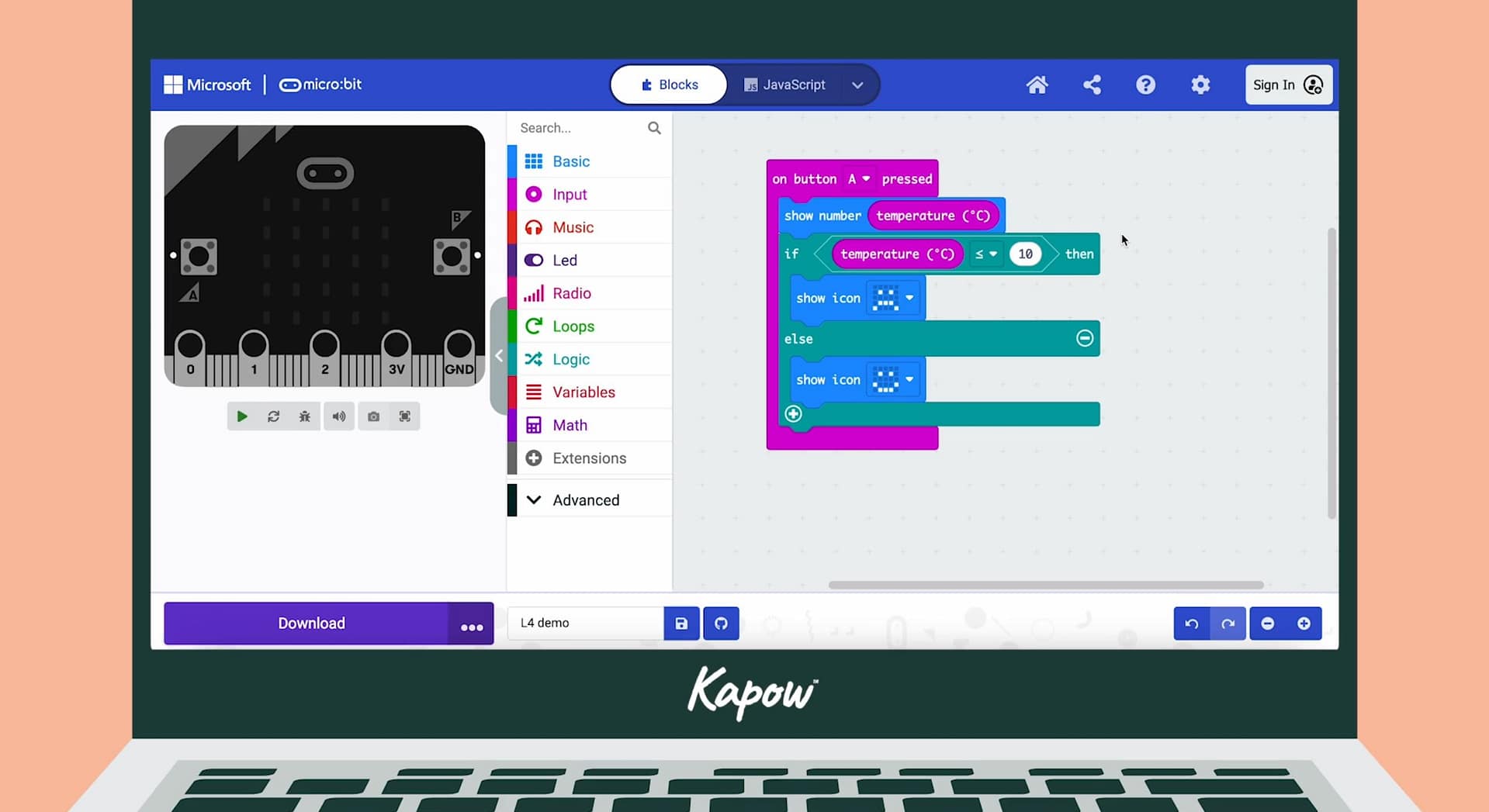
Pupil video: Pairing the micro:bit (desktop/laptop version)

This video explains how to connect a BBC micro:bit to a computer using a USB cable, pair it through the software and transfer programs so it is ready to run.

Teacher video: Exploring the BBC micro:bit

This teacher video gives an overview of the BBC micro:bit, explaining its key features and how it can be used in the classroom to make programming meaningful and practical.

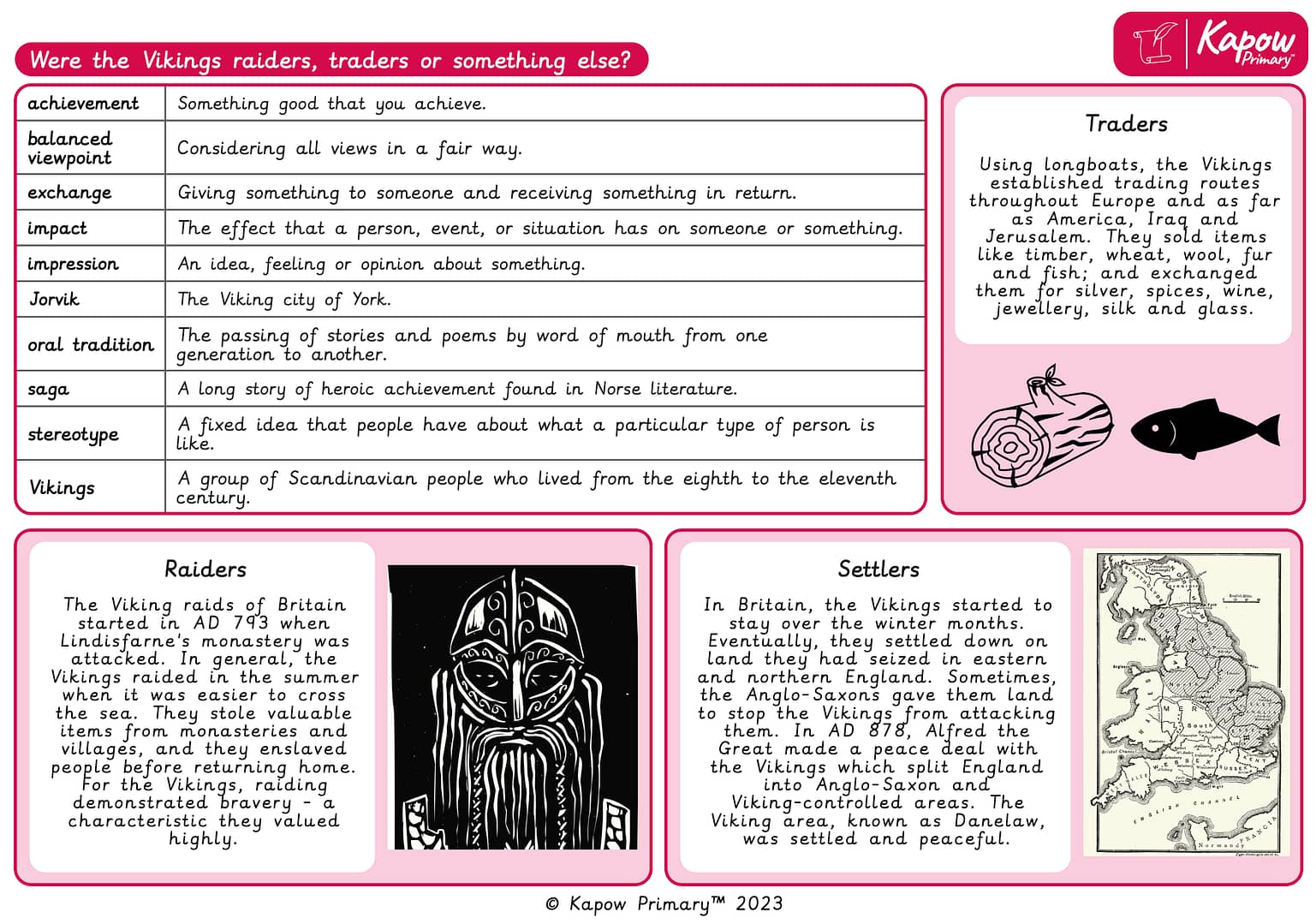
Knowledge organiser – Computing Y5: *New* Programming 2: BBC micro:bit

Pupil video: Exploring the BBC micro:bit

This video introduces pupils to the BBC micro:bit, showing its features such as the LED matrix, buttons, and sensors, and how these can be programmed to make the device interact with the world.

Pupil video: An evacuee’s experience

This video introduces Kitty Baxter as she shares her personal experiences of evacuation during World War 2

Teacher video: Introduction to sketchbooks

This archived Art and design scheme of work video is part of a lesson in which pupils explore how sketchbooks can be used as a creative tool rather than for completed pieces.

Children learn that sketchbooks are a safe place to experiment, make mistakes and develop ideas. They can use them to try different approaches, such as practising shading styles, experimenting with media, or sketching the same subject in several ways. Pupils are also encouraged to add short notes alongside their drawings, recording ideas and possible changes to help them reflect and improve. Through this process, sketchbooks become a space to practise skills, explore texture and detail, and build confidence in experimenting. By the end of the lesson, children will understand that sketchbooks are about creativity and growth, not perfection, and provide a record of their artistic development.

This video is part of Kapow Primary’s archived Art and design skills units.

Teacher video: Inspired by Rorschach

This archived Art and design scheme of work video is part of a lesson in which pupils create abstract, symmetrical inkblot prints inspired by the work of Hermann Rorschach.

Children begin by exploring how we interpret images differently, learning that abstract art can tell many stories depending on the viewer. They then fold a sheet of paper in half, apply small amounts of paint or ink to one side, and press the paper closed to create a symmetrical print. Once dry, pupils use pencils to add details, drawing out shapes or features they can see within their abstract patterns. This encourages creativity, descriptive language, and personal interpretation.

This video is part of Kapow Primary’s archived Year 5 Every picture tells a story unit.

Teacher video: Emojis

This archived Art and design scheme of work video is part of a lesson in which pupils explore how humans have always used images and symbols to tell stories—just as we do today with emojis, graphic design, and signage.

Children begin by looking at examples of pictographs through history, from Native American pictographs to modern road signs. They discuss why we still use symbols, even when words are available, and reflect on how emojis communicate meaning quickly and visually. Pupils then plan and create their own message using only emojis. Starting with a set of emoji sheets, they cut and arrange their symbols, inventing new ones if needed. Once their messages are complete, they share them with a partner to see if their meaning is understood, refining their designs if necessary.

This video is part of Kapow Primary’s archived Year 5 Every picture tells a story unit. It helps pupils understand the power of visual language in communication.

For copyright reasons, you may not screenshot this page.
Press esc to exit