


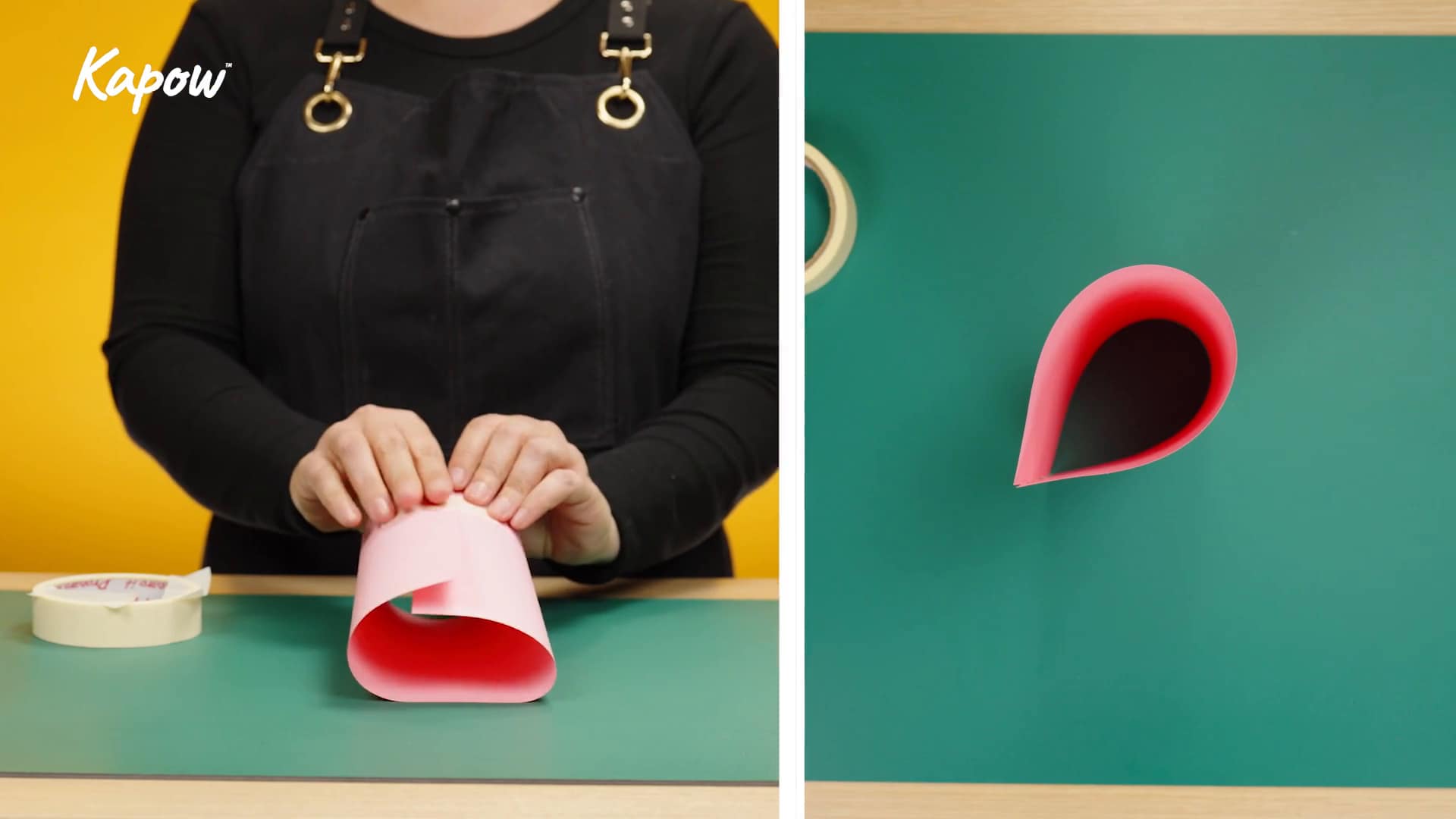
In this video, the teacher is guided through a method for testing how strong different prisms are when weight is added on top of them, equipping them with the skills and knowledge to guide Year 2 pupils to carry out the test themselves.
year: Year 2
Pupil video: Exploring how shape affects strength
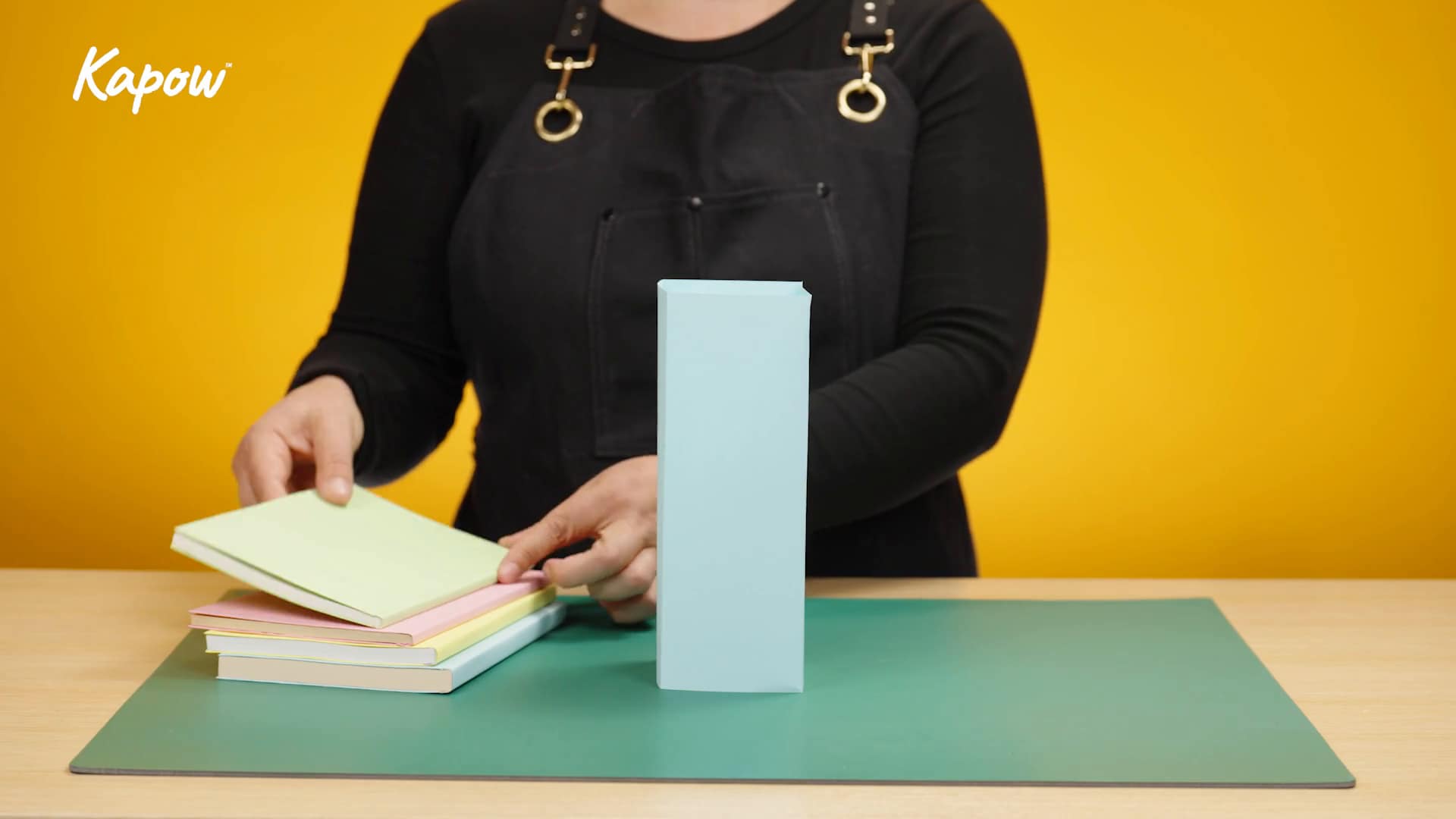
In this video, the pupils are guided through a method for testing the strength of different prisms when weight is added to them.
Pupil video: Testing the stiffness of dowel
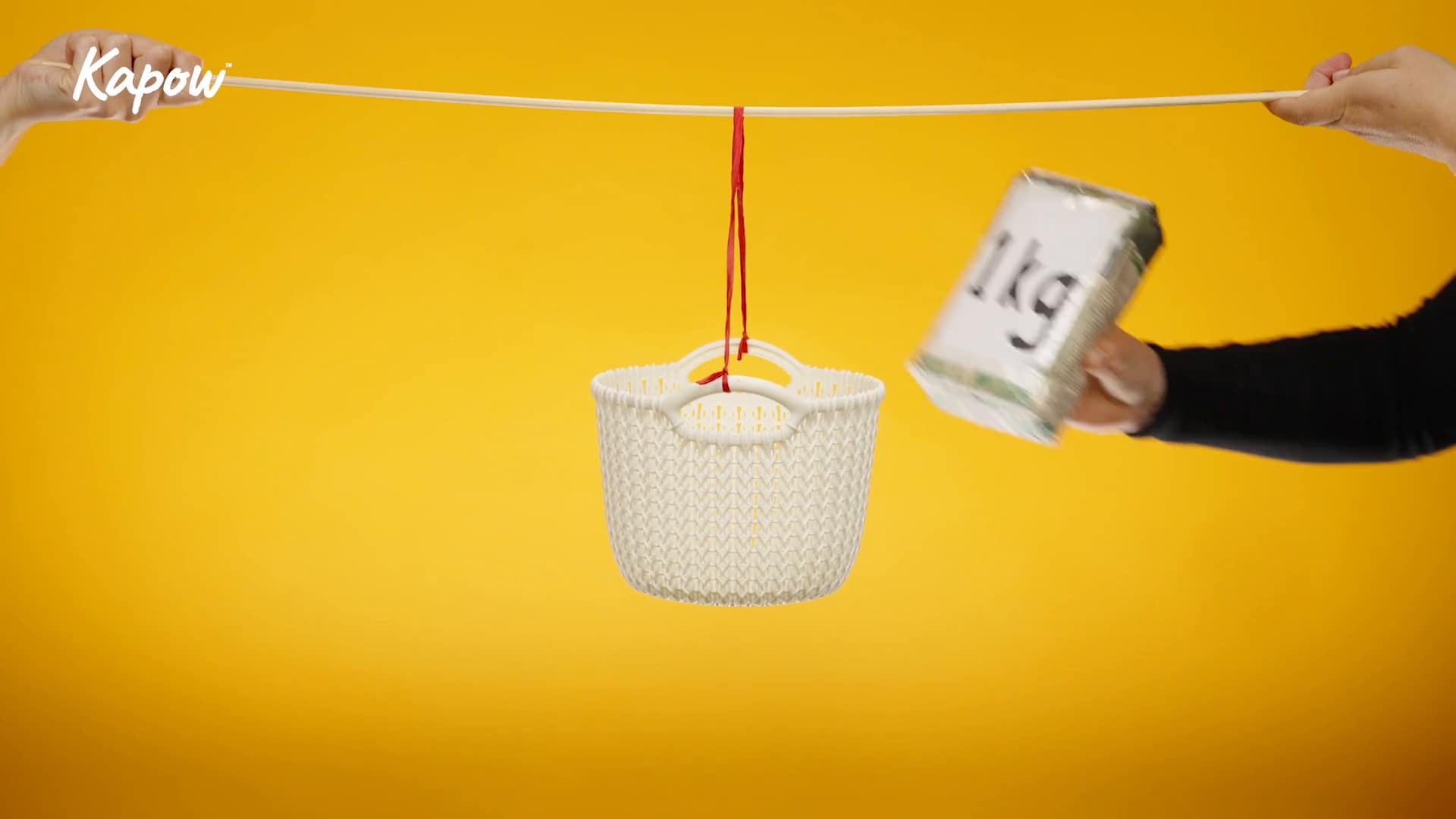
In this video, the pupils are introduced to dowel as a thin, wooden cylinder and make predictions about which thickness of dowel is the stiffest.
Pupil video: China

This video introduces the pupils to China, one of the largest and most diverse countries in the world.
Pupil video: Oceans

This video introduces Key stage 1 pupils to the world’s oceans, helping them understand the difference between rivers, seas and oceans.
Webinar: Teaching Remembrance in Primary Schools
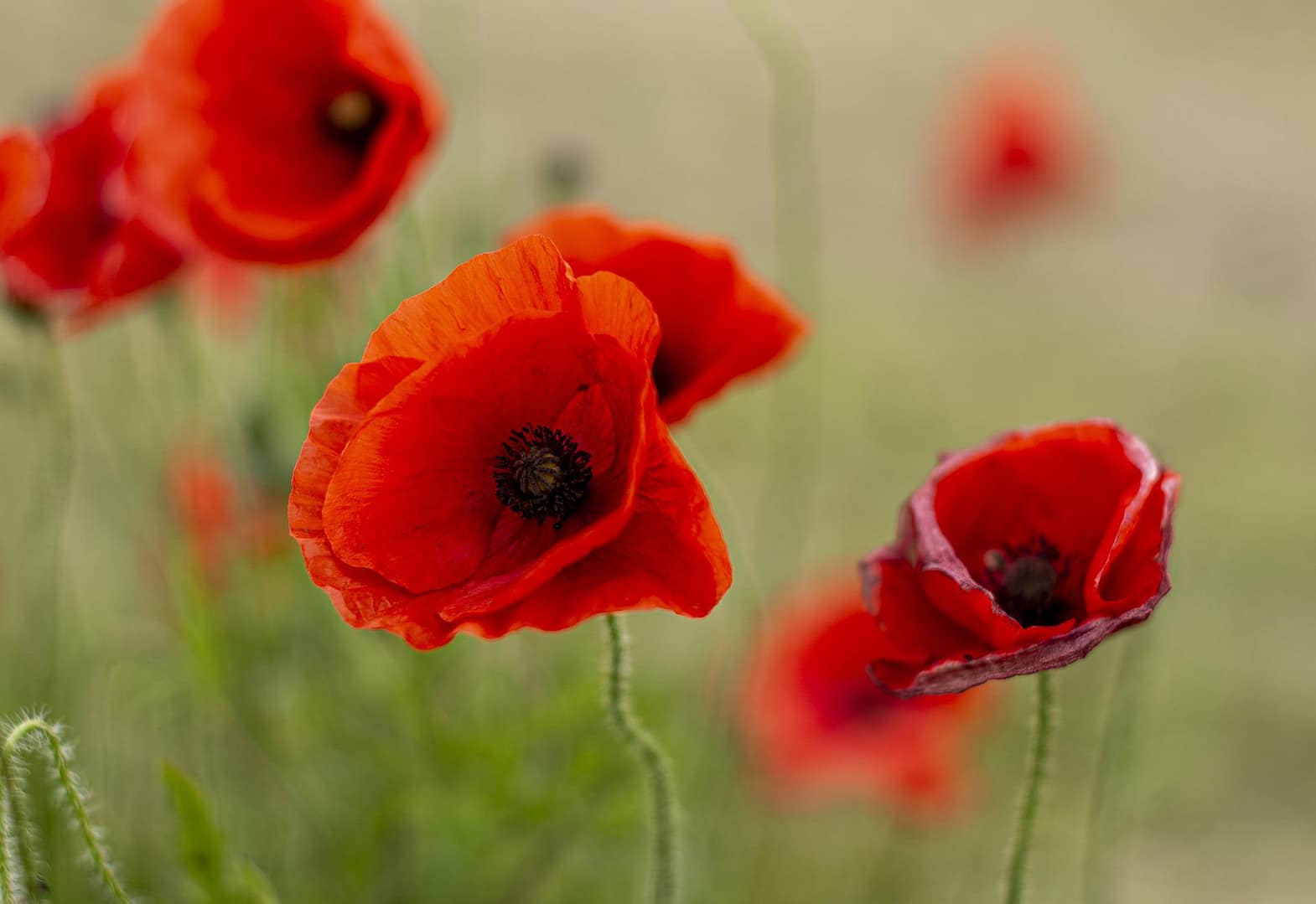
In this recorded webinar, Kapow Primary History specialists, Khatija Shakir and Alice Faulkner, share thoughtful and age-appropriate ways to help learners engage meaningfully with Remembrance across the curriculum.
The session explores:
-
Why Remembrance matters in the primary classroom
-
Sensitive and relevant approaches to teaching Remembrance
-
Cross-curricular opportunities for exploring the theme
-
Practical ideas to encourage empathy, reflection and understanding
-
An overview of Kapow Primary’s Remembrance lesson plans and resources
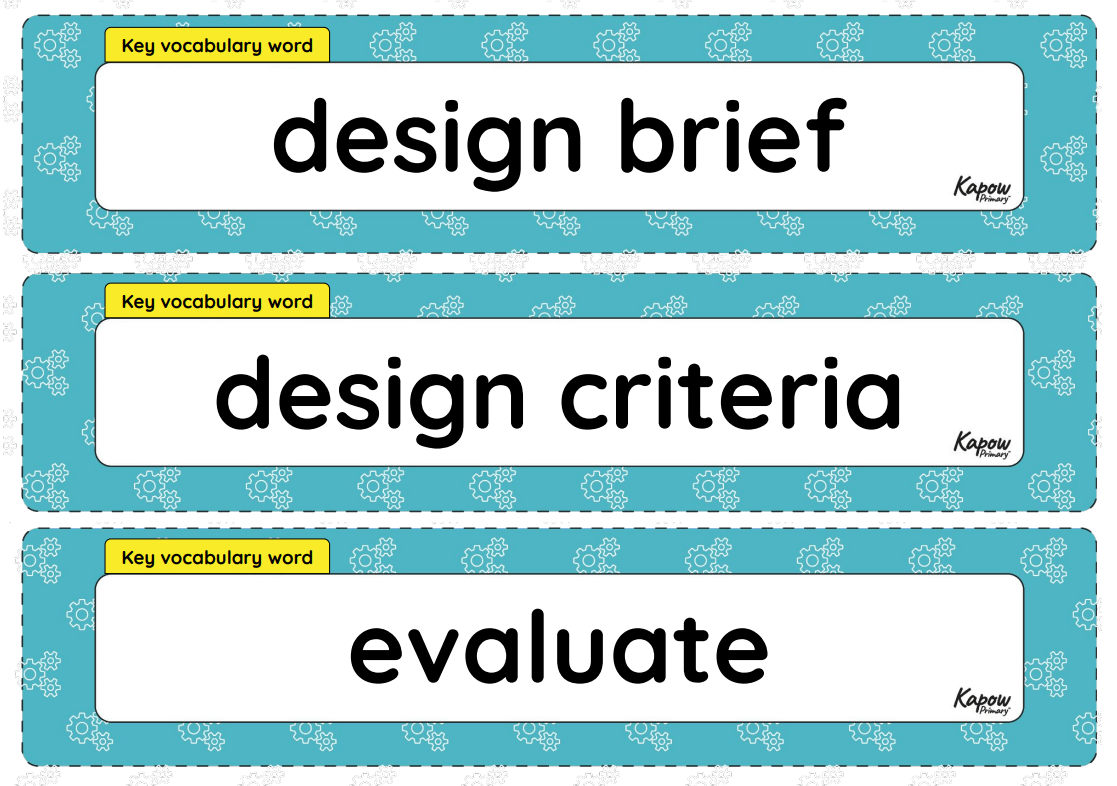
Vocabulary display – D&T Y2: Structures: A chair for a bear
Knowledge organiser – D&T Y2: Structures: A chair for a bear

Annual Planner 2025 – 2026
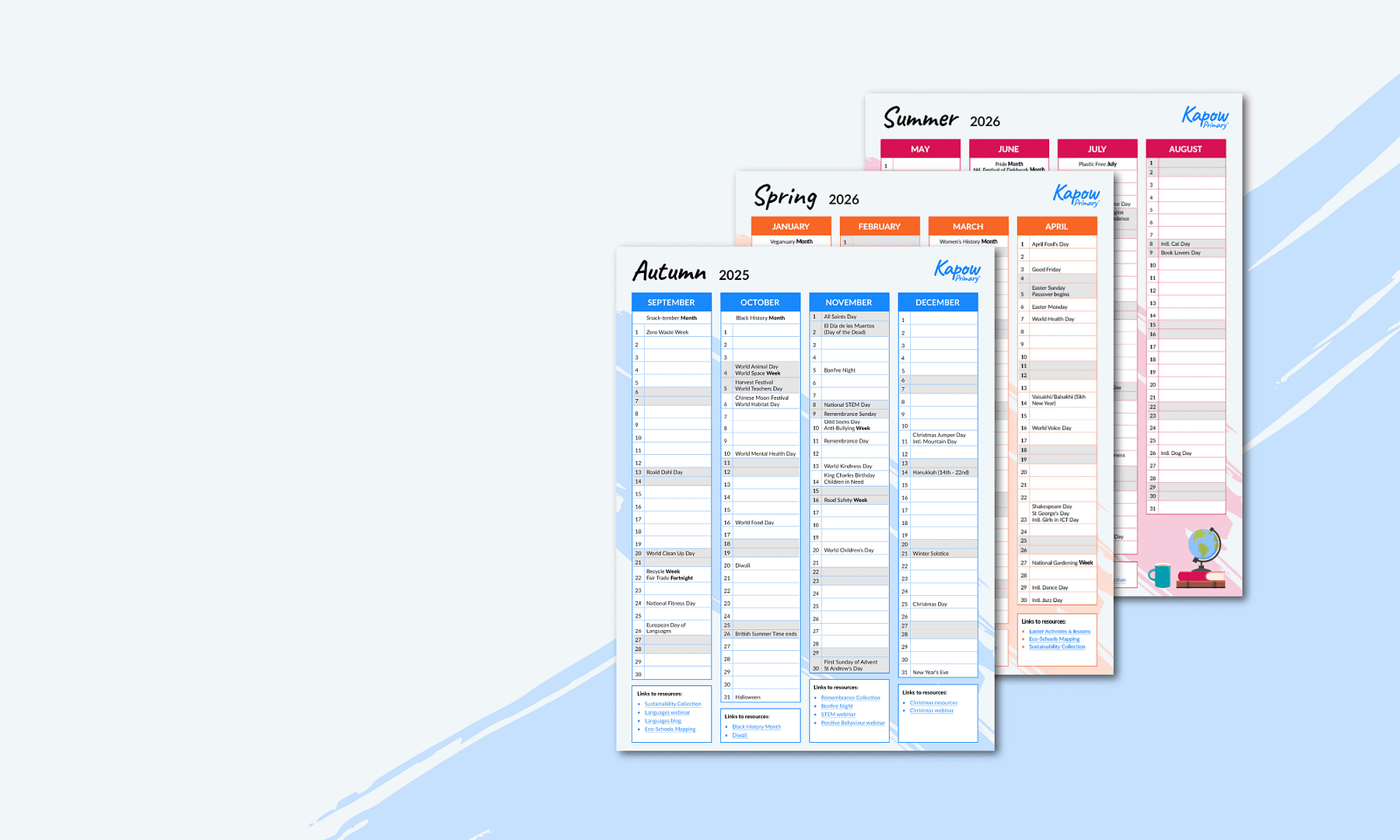
We’ve highlighted the most relevant events for primary schools so you can see what’s coming up each month and plan with confidence.
