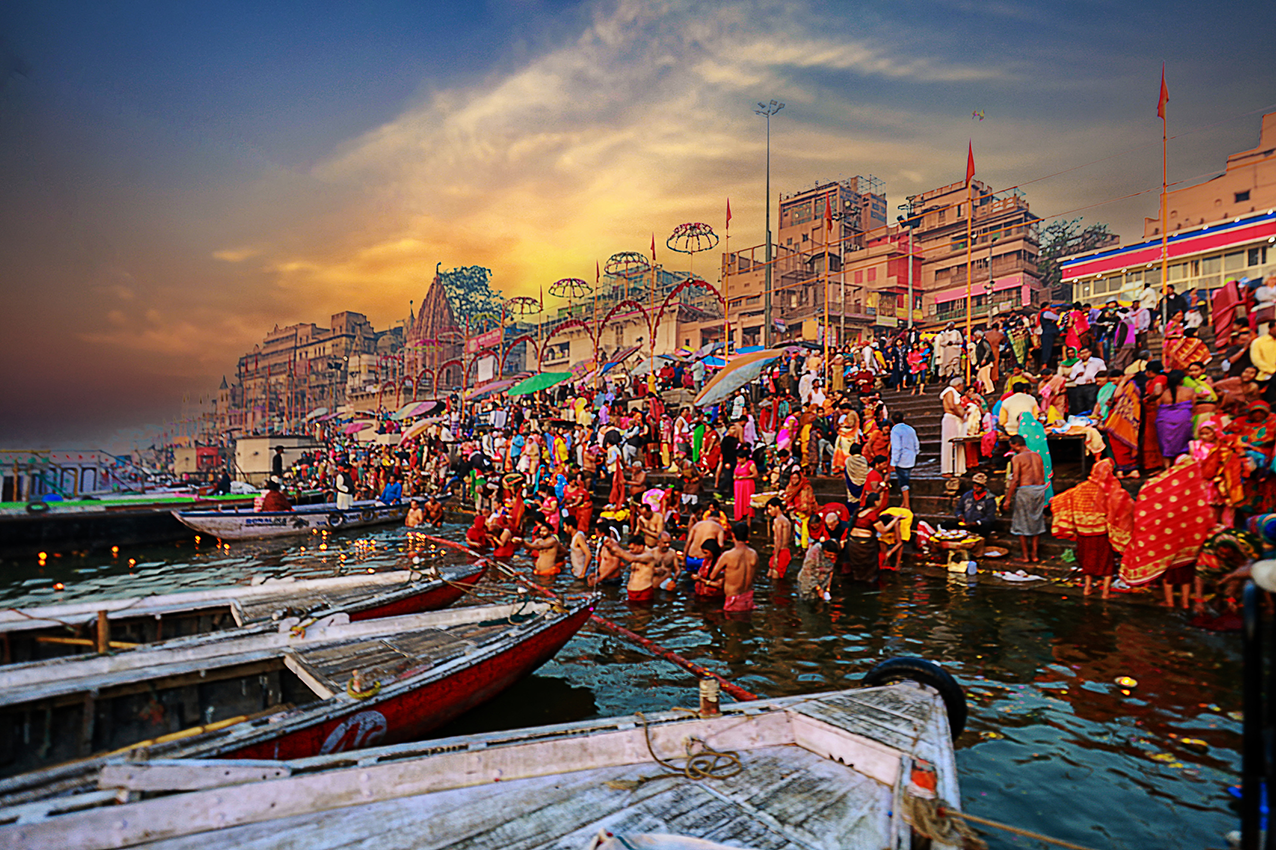
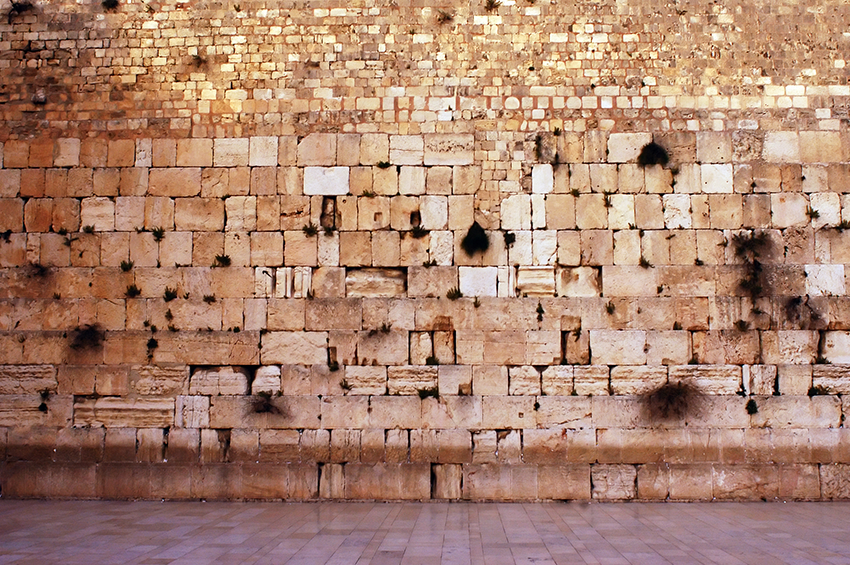
Learning objective
- To consider the challenges that many Muslims may face when travelling to Makkah.
Success criteria
- I can interpret scripture to understand some
This content is for subscribers only. Join for access today.
Religious Education Council Curriculum Framework for RE in England (non-statutory guidance):
- A1: Describe and make connections
This content is for subscribers only. Join for access today.
Cross-curricular links
Before the lesson
This content is for subscribers only. Join for access today.
Lesson plan
Recap and recall
Explain that the children will revisit and explore the meaning of a key vocabulary word from the unit. Display the Presentation: Keyword detective and hand out whiteboards and pens (one each). Ask the children to complete at least three of the five tasks shown on the slide. Allow time for independent or paired discussion as…
This content is for subscribers only. Join for access today.
Extended-mode explainer videos
How to extend your display to view the lesson page and preseantion mode simultaneously. Choose your operating system below to watch the video
If you need further support with extending your display,
please contact [email protected].
Extended-mode explainer video: For Mac
Extended-mode explainer video: For Windows
Adaptive teaching
Pupils needing extra support
Should use the Activity: Diary entry (support) with sentence starters that guide them to identify a challenge, a positive experience and a significant moment from Hajj, helping them structure their diary entry clearly; should use the table on the flipchart to remind them of the challenges and positive experiences when writing their diary entry; could use the Resource: Hajj experiences: audio transcript when listening to the audio on slide 10 of the Presentation: Hajj; could use the audio transcript or recording for repeated listening or to hear vocabulary read clearly, supporting any pupils who benefit from slower pacing, additional explanation or hearing support devices connected to a transmitter.
Pupils working at greater depth
Should explain how people, place and practice each help pilgrims overcome challenges during Hajj, referring to examples from the rituals described in the Presentation: Hajj; should consider how people from different worldviews (for example, Muslim vs non-Muslim, religious vs non-religious) might experience pilgrimage differently, explaining how the shared challenge could feel meaningful in different ways; could compare the significance of shared challenge in Hajj with a challenge from a different tradition or a secular context (for example, charity walks or endurance events), explaining what might bring people together in each situation.
This content is for subscribers only. Join for access today.
Assessing progress and understanding
Pupils with secure understanding indicated by: identifying the key factors why a
This content is for subscribers only. Join for access today.
Vocabulary definitions
-
Al-Masjid Al-Aqsa
An Islamic mosque in Jerusalem, located on the Temple Mount.
-
Al-Masjid Al-Haram
A mosque in Makkah considered to be the holiest site in Islam, which houses the Ka'bah.
This content is for subscribers only. Join for access today.
In this unit
Assessment - R&W Y6: Why is it better to be there in person?
Lesson 1: What can make a space significant? People, place or practice?
Lesson 2: Why might a Jewish person want to visit Jerusalem?
Lesson 3: Why is Jerusalem significant to some Muslim people?
Lesson 4: How can shared challenge bring people together?
Lesson 5: Are all journeys pilgrimages?
Lesson 6: Why is it better to be there in person?