


This unit vocabulary display includes keywords from the unit Art and Design, Year 6 and Mixed-age Year 5/6, Drawing: Make My Voice Heard and additional unit-specific words that may be helpful in a display.
This unit vocabulary display includes keywords from the unit Art and Design, Year 6 and Mixed-age Year 5/6, Drawing: Make My Voice Heard and additional unit-specific words that may be helpful in a display.
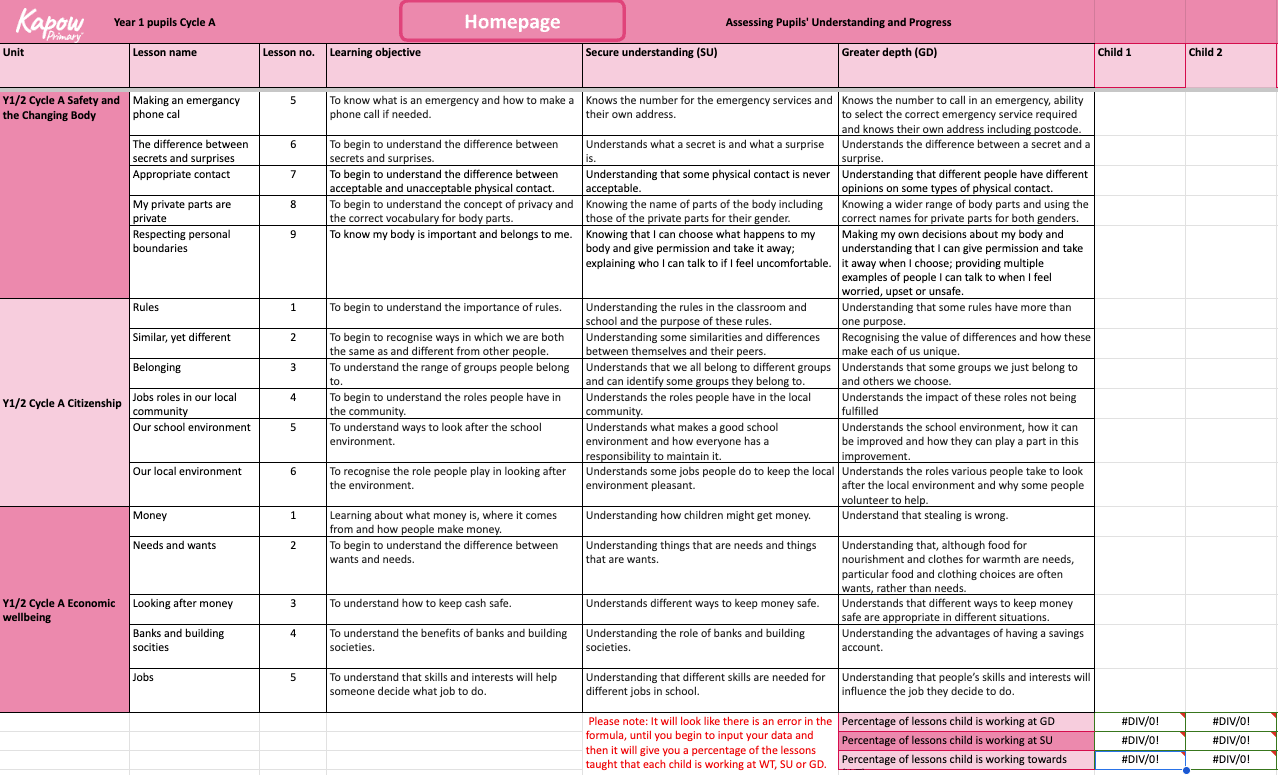
This unit vocabulary display includes key vocabulary from the unit Science, Year 6, Living things: Evolution and inheritance and additional unit-specific words.
Key vocabulary is clearly labelled on the display, highlighting essential words that the pupils are expected to retain and reuse in future units. Understanding these words enhances comprehension of the subject and supports understanding of key scientific concepts and processes.
See the full Science: Progression of key vocabulary.
A festive art and craft ideas tailored for primary classrooms, including interactive demonstrations and expert tips for creating a holiday-themed classroom.
Delivered by Kapow Primary’s Art and design specialist, Suzanne Booth, this covers:

This webinar is designed for teachers, subject leaders and anyone interested in fostering a rich musical culture through their primary school Music lessons.
Presented by Dr Liz Stafford, this webinar covers:
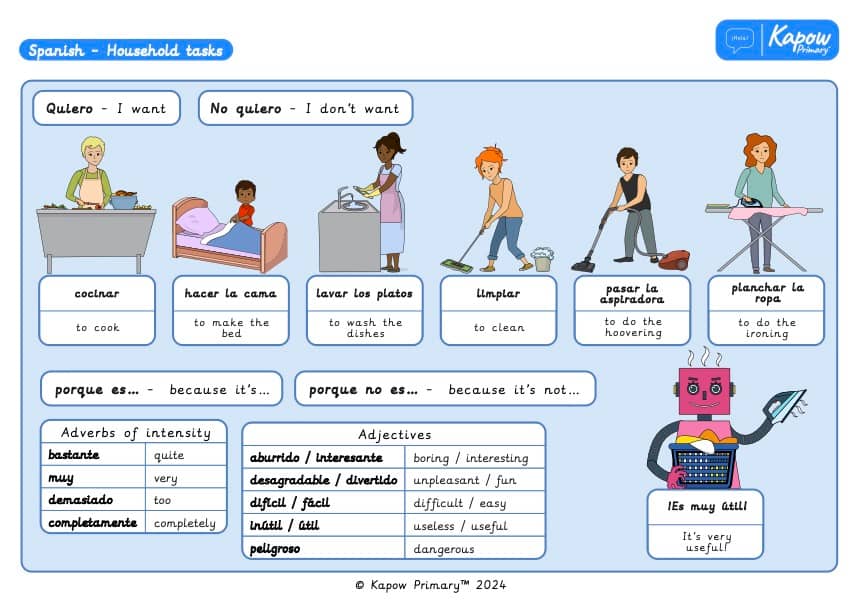
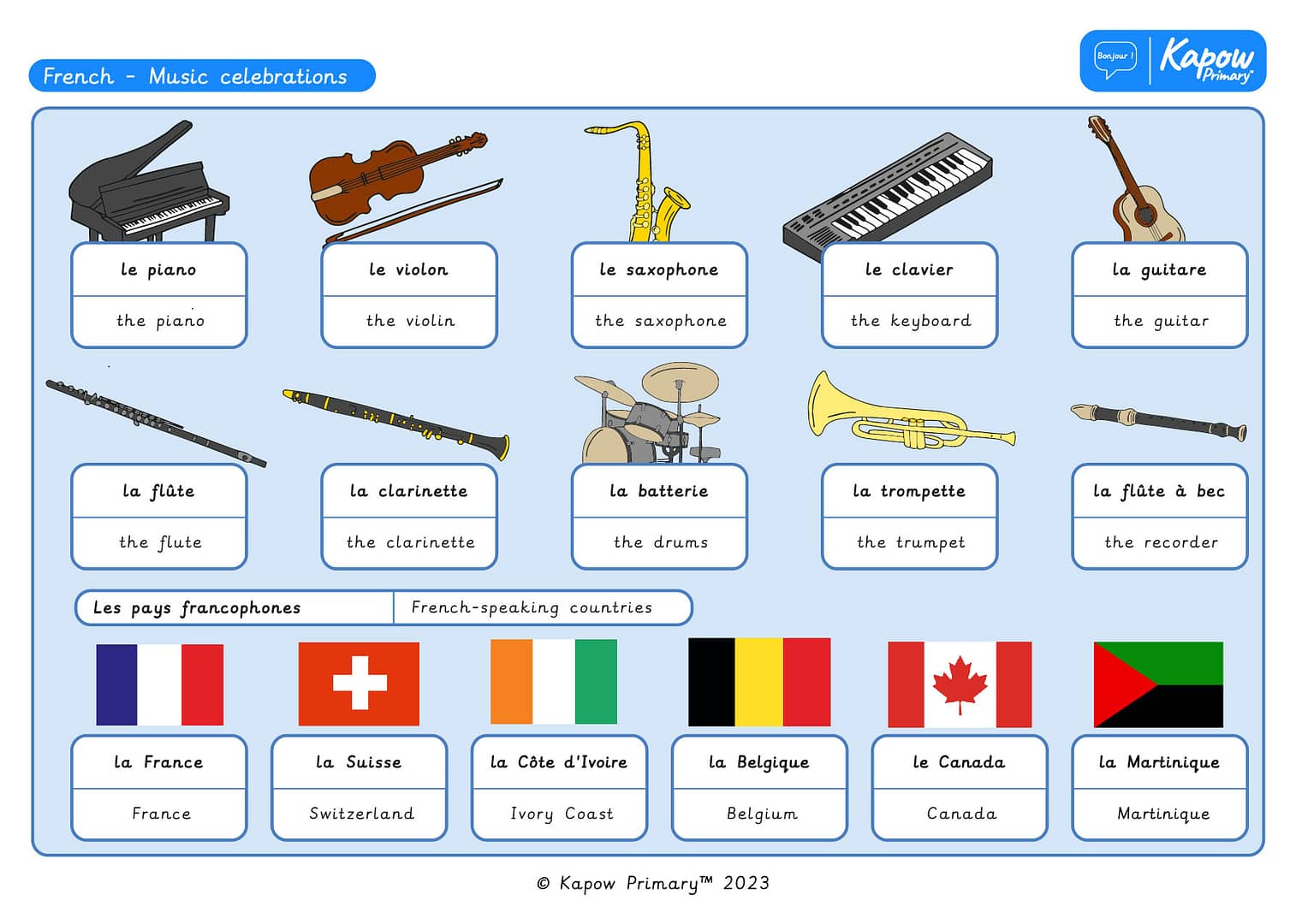
A Knowledge organiser that captures the essential knowledge and skills learnt throughout the unit French, Mixed-age Year 5/6, Music celebrations.
This French resource is designed to support the pupils as they learn vocabulary and phrases related to music, festivals, and cultural celebrations. It introduces key vocabulary such as musical instruments, genres, traditions, performances, and celebrations, helping the pupils develop their French-speaking, listening, and reading skills. The pupils will also learn how to describe music, express opinions about different styles, and discuss cultural festivities in French-speaking countries.
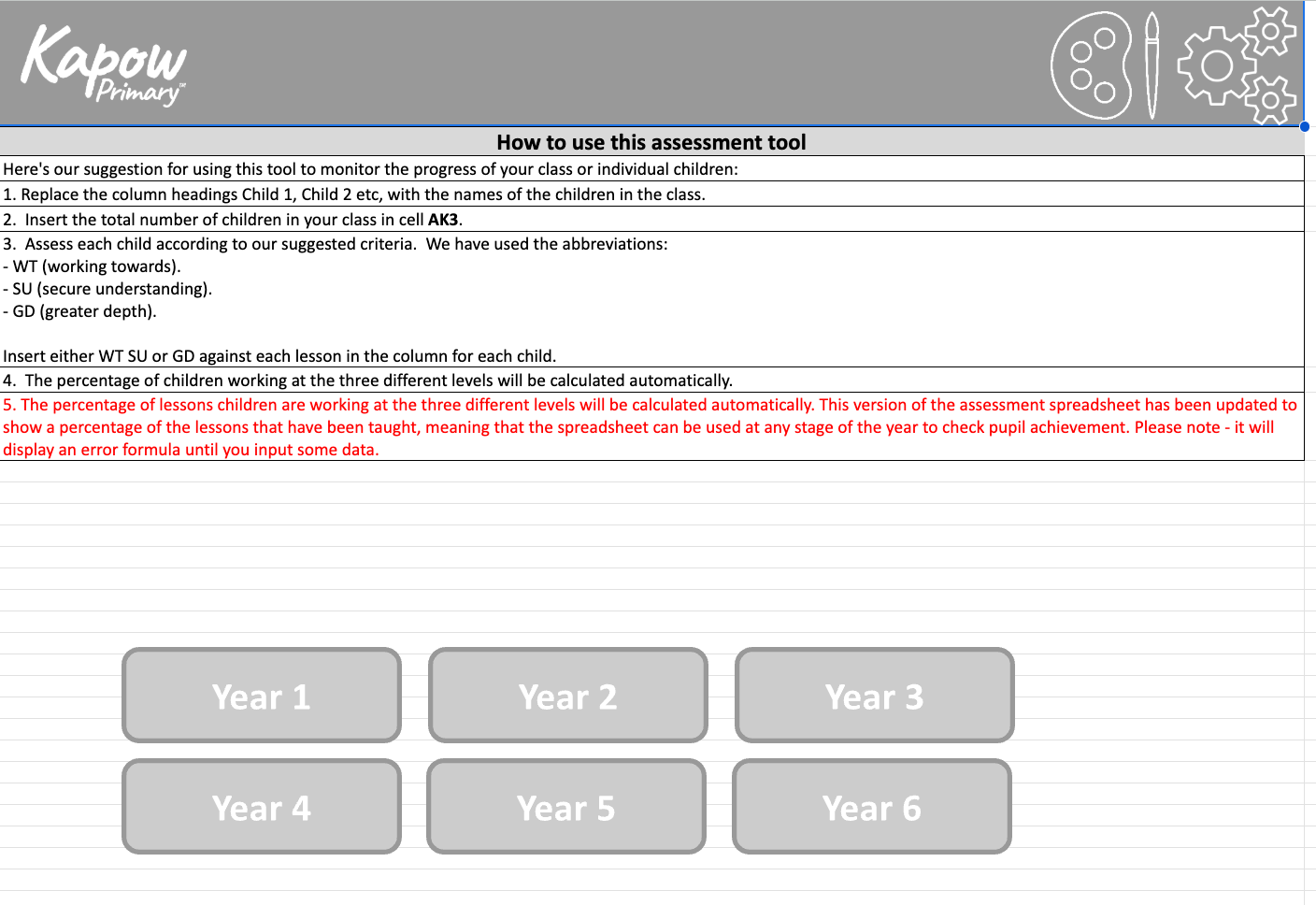
A place to record teacher assessments made in the lessons to build up a picture of children’s achievement over the year. This assessment spreadsheet is designed for those who would like to track pupils’ attainment in Art and design and DT and are teaching the units set out in Kapow primary’s combined Long-term plan.
