



This onboarding video helps you get started with Kapow Primary. It walks you through logging in, navigating the site, accessing lesson plans and teaching resources, and using assessment tools. You’ll also find tips on planning, downloading editable content, and staying up to date with the latest updates, webinars, and CPD opportunities.
year: Year 6
Music: Teacher video: Tuned percussion

This teacher skills video demonstrates how to teach correct technique for playing tuned percussion instruments. Covering glockenspiels, xylophones, chime bars and more, it offers practical advice on grip, striking motion, hand positioning, and common mistakes to watch out for. The video also includes guidance on using shared instruments and alternative resources such as boomwhackers and handbells.
Staff notation 5 – KS2 – Performance directions

This Music teacher skills video explores how performance directions such as dynamics, articulation, tempo, and structure are represented in staff notation. It introduces key musical terms and symbols, helping teachers support pupils in reading and interpreting these notational features confidently. Primary school music specialist Dr Elizabeth Stafford explains how dynamics, articulation, tempo and structure are shown in staff notation.
Webinar recording: How to use sketchbooks in primary Art and design – 26th January 2022
This video explores how to make the most of sketchbooks in primary Art and Design lessons. It offers practical tips for integrating sketchbooks into the creative process, encouraging experimentation, reflection, and personal expression. Perfect for boosting confidence in both teachers and pupils, the video highlights sketchbooks as an essential tool for developing artistic skills and documenting progress over time.
Presented by Lucy Roff. Find the accompanying slides here.
Webinar recording: How to lead a Music staff meeting with Dr Liz Stafford
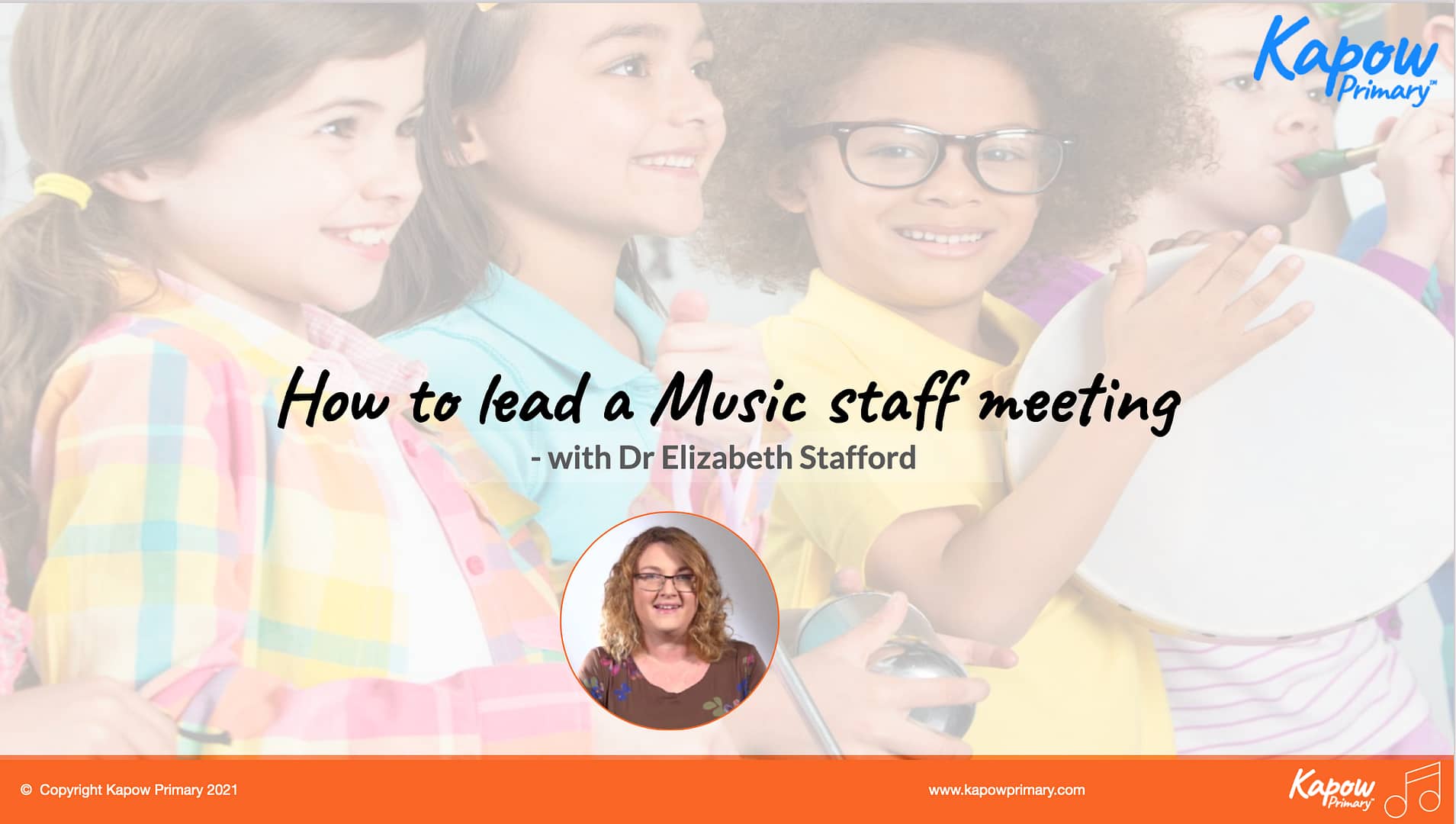
In this helpful video, Dr. Elizabeth Stafford shares practical advice for leading an effective music staff meeting. She offers tips on setting clear goals, encouraging participation, and boosting staff confidence in delivering high-quality music lessons across the school.
Music: Staff notation 3 – KS2 – Time signatures
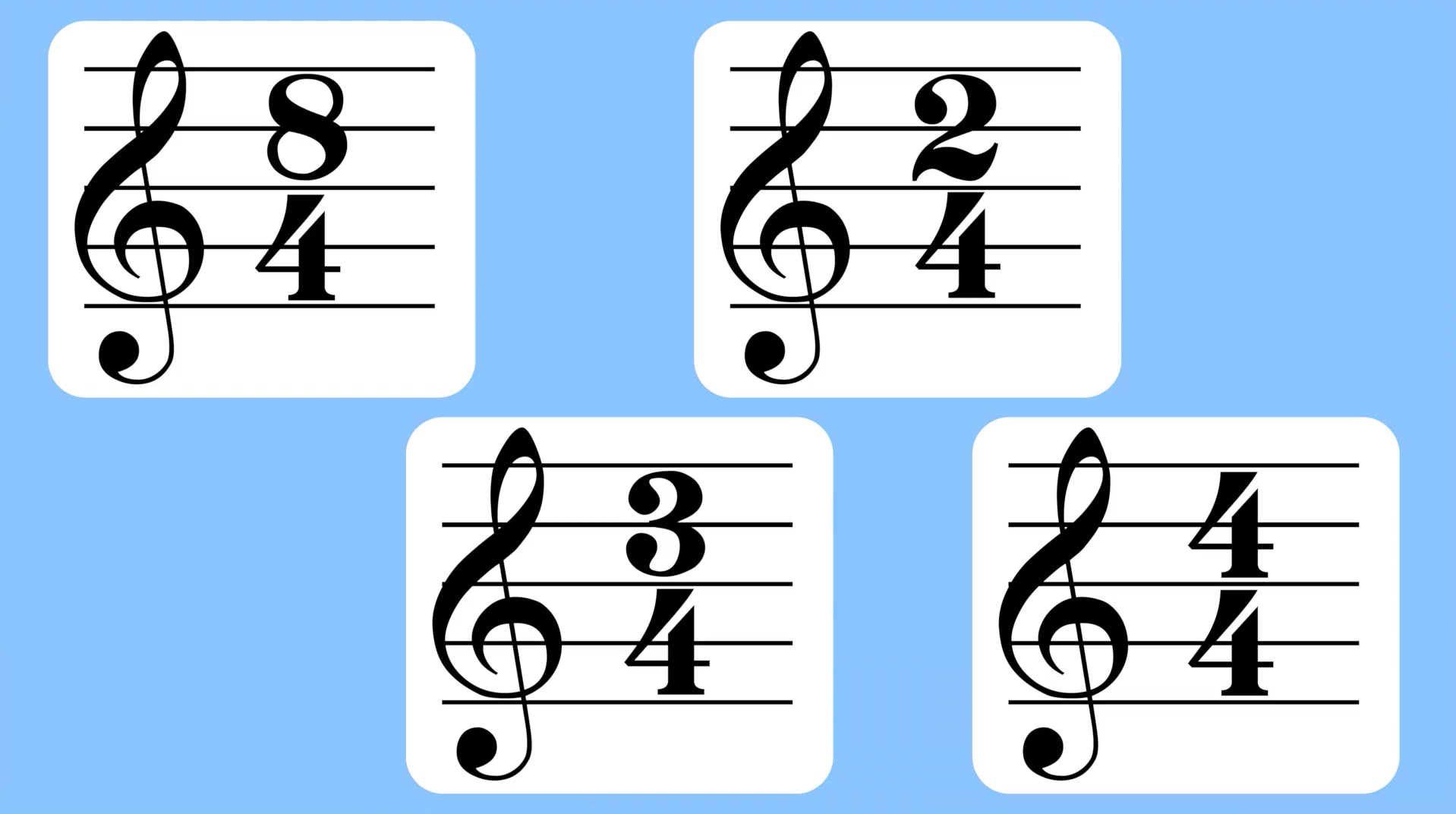
This Music video introduces the basics of time signatures in staff notation. It explains what the top and bottom numbers mean, how beats are grouped and emphasised, and how this affects the feel of the music. Clear examples help make this essential concept easy to understand for primary teachers and pupils alike.
Music: Staff notation 4 – KS2 – Pitch and clef
This Music video explores how pitch is represented in staff notation. It introduces the use of the treble and bass clefs, explains the position of notes on the stave, and covers ledger lines, sharps, flats, and key signatures. Ideal for building teacher confidence in teaching pitch through notation at the primary level. Presented by music specialist Dr Liz Stafford, this video explains the difference between pitch and clef and how they are shown on the staff notation stave.
Music: Structure in music (all key stages)
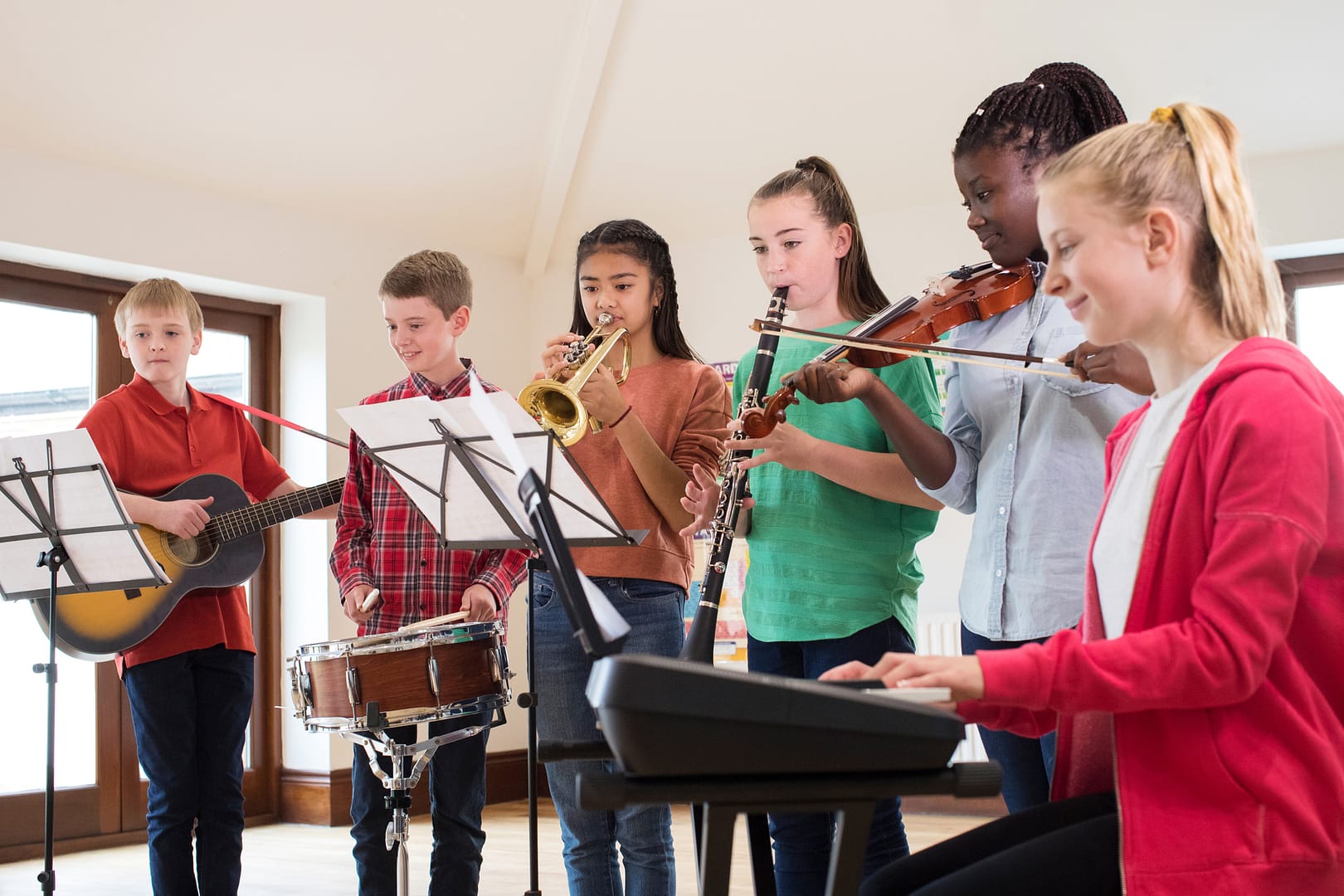
This Music video introduces the concept of musical structure, or form, and how it organises sections within a piece of music. It explains common structures such as verse-chorus, binary, ternary, and rondo, helping teachers support pupils in identifying and composing with clear musical forms.
Music: Tempo (all key stages)

This Music video explores tempo—the speed of the music—and how to introduce it to pupils. It includes strategies for helping children recognise, describe, and respond to different tempi using movement, listening activities, and Italian terminology. The video also explains how tempo changes can be spotted and described easily.
