Y1/2 (A): Lesson 5: Being a marine biologist
Role playing as marine biologists to measure and record population sizes and assess the impact of litter on the ocean habitat. This lesson is part of the mixed-age scheme.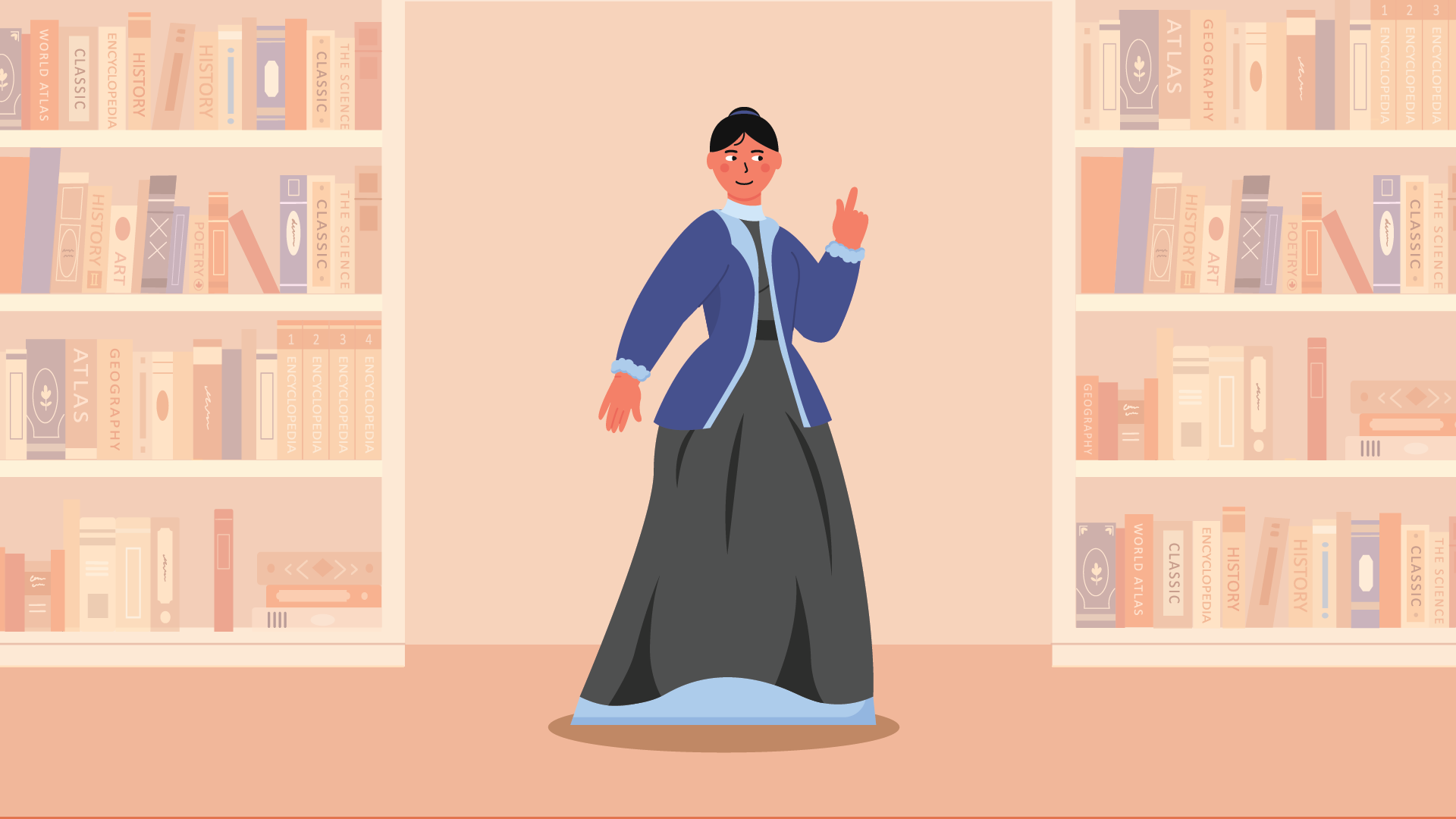
Learning objective
Working scientifically
-
To report on changes to ocean numbers.
Success criteria
Working scientifically
-
I can describe the role of a marine biologist.
-
I can tally the number of living things found in the ocean.
-
I can record data as a pictogram.
-
I can compare two sets of data and summarise my findings.
Before the lesson
Check all images, videos, links and presentation slides are suitable for your class.
- Presentation: Agree or disagree?
- Presentation: Recording living things.
- Audio: A message from Marlin.
- Audio: Voicemail message.
Access to a large open space, such as a playground or hall.
- Sticky tack or bean bags to hold down the Resource: Ocean observations.
Some real litter, such as netting and carrier bags, to be identified in the mock ocean habitat (optional - see Main event).
A device for recording speech (optional - see Adaptive teaching).
The book 'Secrets of the Sea: The Story of Jeanne Power, Revolutionary Marine Biologist' by Evan Griffith (optional - see Attention grabber).
- Link: Assessment – Science Y1/2 (A): Ocean protectors(optional - see Wrapping up).
Subject knowledge
This lesson revises subject knowledge from the units Science, Year 1/2 (A), Plants: Introduction to plants, Science, Year 1/2 (A), Living things: Habitats, Science, Year 1/2 (A), Animals, including humans: Life cycles and health and Science, Year 1/2 (A), Plants: Plant growth. Find any associated misconceptions in the unit lessons.
Lesson organisation
- Distribute the Resource: Ocean observations around a large open space. Fix in place with bean bags or sticky tack to prevent them from blowing away.
Real litter could be added to the setup as a discussion point for factors that may be affecting the habitat.
Count the resources used outdoors (including purposeful litter) in and out to ensure they do not impact the space beyond the lesson.
Lesson plan
Display the Presentation: Agree or disagree? Read the slide to the children. Instruct them to discuss the statement with their partner and decide whether they agree or disagree.
Take feedback.
The children may suggest:
Some scientists work in laboratories with chemicals and wear white lab coats.
There are lots of different types of scientists and not all of them do experiments wearing lab coats.
Some scientists work outdoors and some do not work with chemicals at all.
Remind the children that they have previously looked at the work of a scientist in Science, Year 1/2 (A), Plants: Introduction to plants; Dr Percy Julian discovered how to make medicines from plants. Ask the class if they have ever heard of a marine biologist before and take feedback on the meaning behind the two words. Play the Pupil video: What is a marine biologist?
Ask the class:
- Why do you think a marine biologist is so important? (Answers may include that they help to protect living things in the ocean, teach others about living things and help to discover new things.)
- What was so special about Jeanne Villepreux-Power's work? (She invented aquariums that are useful to scientists and people even today; she invented something important and studied science in a time when women did not often do this.)
- Who would like to be a marine biologist when they grow up and why?
Optional: read the book 'Secrets of the Sea: The Story of Jeanne Power, Revolutionary Marine Biologist' by Evan Griffith to further explore Jeanne Villepreux-Power's interests and inventions.
Play the Audio: A message from Marlin the marine biologist.
Remind the class that marine biologists often count the number of animals and plants in an area of water year after year to check whether something is causing problems. Display slide 1 of the Presentation: Recording living things in the ocean to show the class Marlin's previous results.
Ask for volunteers to read the number of tallies and drag the corresponding number of pictures to form the completed pictogram.
Hand out the tally chart from the Activity: Recording ocean observations (one each) and remind the children how to record numbers as tallies. Explain to the class that they will work like marine biologists and pretend to explore the same part of the ocean as Marlin to record numbers of the same plants and animals. They will need to use their observation skills to spot seaweed, shrimp, fish, jellyfish, sea turtles, sharks and anything else interesting in the habitat that may be affecting living things.
Lead the class out to the open space and allow time for them to tally the numbers of ocean wildlife. They can use the lined space at the bottom of the sheet to record anything else that may be affecting the habitat.
Display slide 2, which provides a blank results table and pictogram template. Take feedback from the class about the number of each living thing they found and use the pen tool to record this as tallies in the table. Hand out the second page from the Activity: Recording ocean observations, which provides a pictogram template. Remind the children how to complete the pictogram and allow time for them to draw the relevant shapes into each column to reflect the class results. Drag the pictures on the slide to demonstrate how to complete the pictogram if required. Alternatively, the children could record circles or simple shapes in the spaces instead of the plant and animal shapes (see Adaptive teaching).
Return to slide 1, selecting the answer button to show the completed pictogram of Marlin's data. Ask the children to discuss in pairs what they would tell Marlin about their results compared to his. They should consider:
- Which numbers of living things stayed the same? (Seaweed, shrimp and sharks.)
- Which numbers of living things are less than Marlin's results? (Fewer fish and sea turtles.)
- Why might it have changed? (Litter, carrier bags and sponges were observed in the area. Animals may have mistaken these as food and eaten them accidentally, which caused them harm.)
Optional: provide each pupil with the Quiz: Pupil answer sheet and work through the Unit quiz (see Assessment – Science Y1/2 (A): Ocean protectors.). Read each question aloud to the class and give them time to mark their answers on the sheets independently.
Full-screen slides, ready for your classroom, chosen by you.
Working scientifically
-
To report on changes to ocean numbers.
We value your feedback
We welcome your feedback to help make our resources even better