Y1/2 (A): Lesson 2: Life cycles of ocean animals
Revising the butterfly life cycle and comparing it to ocean animal life cycles, looking for similarities and differences. This lesson is part of the mixed-age scheme.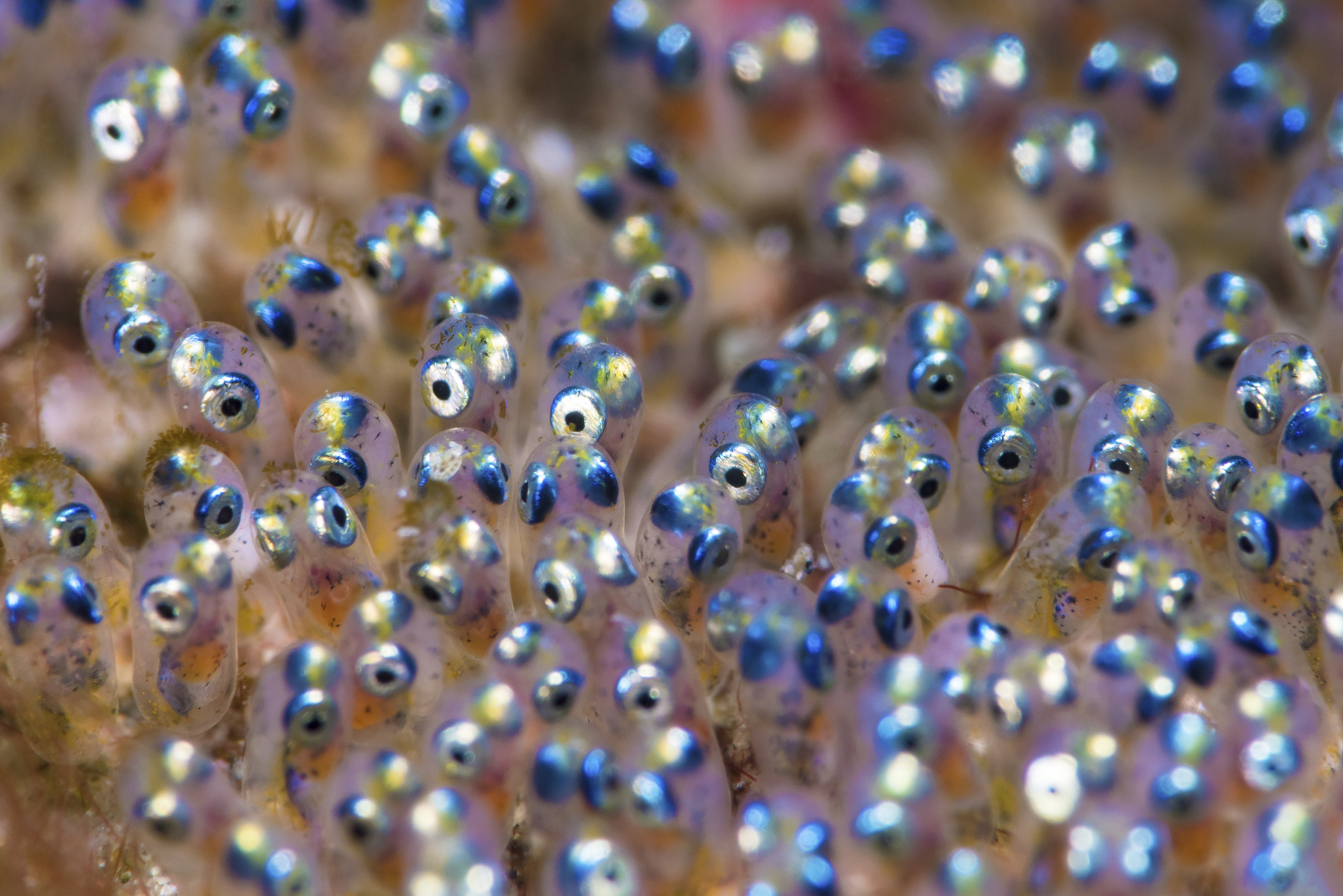
Learning objectives
Knowledge
-
To compare animal life cycles.
Working scientifically
-
To pose questions about life cycles.
Success criteria
Knowledge
-
I can order the stages of different animal life cycles.
-
I can identify similarities between animal life cycles.
-
I can identify differences between animal life cycles.
Working scientifically
-
I can make careful observations about ocean animals and their life cycles.
-
I can pose questions about living things and their life cycles.
Before the lesson
Check all images, videos, links and presentation slides are suitable for your class.
- Presentation: Ocean young.
- Presentation: Life cycles of ocean animals.
- Presentation: Crab life cycle.
Flipchart (optional - one for the teacher).
Whiteboards and pens (one each).
Whiteboard pens in different colours (optional).
Highlighters in different colours (support - see Adaptive teaching).
Subject knowledge
This lesson revises subject knowledge from the units Science, Year 1/2 (A), Animals, including humans: Life cycles and health. Look for any associated misconceptions in the unit lessons.
Life cycles of ocean animals
The salmon life cycle (as an example of fish life cycles) has four condensed key stages:
Egg.
Alevin (tiny fish with the yolk sac still attached).
Fry (small fish).
Adult fish.
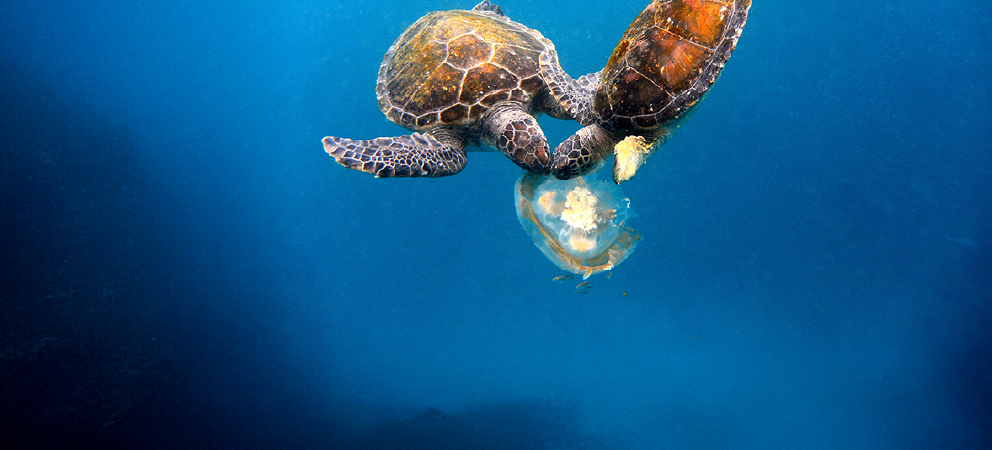
The sea turtle has four key stages:
Egg.
Hatchling.
Juvenile turtle.
Adult turtle.
Lesson plan
Write the following vocabulary on the board or a flipchart:
Offspring.
Egg.
Life cycle.
Live young.
Stage.
Play the Pupil video: Animal life cycles from the unit Science, Year 1/2 (A), Animals, including humans: Life cycles and health. Hand out whiteboards and pens and ask the children to create a sentence using at least one written keyword.
Take feedback and discuss the children's use of vocabulary, using the video as a prompt.
Display the Presentation: Ocean young. Ask the children to think about where ocean animals come from.
Encourage them to write questions about the ocean young and their life cycles using the keywords as prompts.
Take feedback, prompting them to recall where they should place capital letters and question marks.
Possible questions include:
- Which animal does that offspring belong to?
- Do dolphins give birth to live young?
- Do fish lay eggs?
- What stage of the life cycle is that?
Click on the images to reveal further information about each creature shown, if required.
Arrange the children into groups of three. Hand out the Activity: Sorting life cycles (pre-cut, one between three) and whiteboard pens for them to write on the desks. Alternatively, provide whiteboards for them to position the pictures and write labels on.
Ask the children to group their cards by animal. Encourage them to organise the pictures into piles and add suitable labels.
Display slide 1 of the Presentation: Life cycles of ocean animals, which matches the Activity: Sorting life cycles.
Invite volunteers to drag the images in the presentation to the correct group and allow the class to check their card groupings.
Proceed to slide 2 and ask the children to identify each life cycle's youngest and oldest stages. Instruct them to add the final two cards to form a life cycle for each animal group, using whiteboard pens to add arrows to complete the diagrams.
Ask volunteers to drag the images in the presentation to form a life cycle to check their work. Repeat this with slides 3 and 4 to sort the other animals' life cycles.
Decide as a class on a symbol representing similarity (such as a tick, an equals sign or an 'S') and difference (such as a cross, a crossed-out equals sign or a 'D'). Alternatively, hand out whiteboard pens in different colours and allow the children to colour-code the two categories and use a key to explain which is which. Ask the class to discuss similarities and differences between each life cycle within their group. Explain that each pupil is responsible for recording the notes on one of the life cycles.
Photograph the children's arranged images and labels to record their work.
Take feedback and ask the children to compare identified similarities and differences. These may include:
All three begin life hatching from an egg.
They all change as they grow.
They all start smaller and get bigger.
The butterfly lives fully on land, the fish lives entirely in the water and the turtle can live on land and in water. Their habitats can be very different.
The butterfly goes through metamorphosis but the other two do not.
The baby and adult turtles look most alike compared to the other juveniles and adults.
Display the Presentation: Crab life cycle.
Ask the children to discuss in pairs which of the three life cycles is most similar to the crab life cycle. Emphasise that there is no single correct answer, but they should be ready to explain their reasoning.
Take feedback. Answers may include:
The crab is most like the fish because the eggs, baby salmon and crab larvae look very different from the adults.
The crab is most like the fish because they can both live and breathe underwater.
The crab is most like the turtle because they can both live on land and in the water.
The crab is most like the turtle because they both have hard shells as adults.
The crab is most like the butterfly because both life cycles involve changes in shape: the young look very different from the adults.
Ask the children if they have any further questions they would need to find out to help them be more sure of their answers.
Note: ask the children to bring clean, transparent plastic drink bottles, preferably two-litre in size, for Lesson 3: Investigating ocean litter.
Full-screen slides, ready for your classroom, chosen by you.
Knowledge
-
To compare animal life cycles.
Working scientifically
-
To pose questions about life cycles.
We value your feedback
We welcome your feedback to help make our resources even better