Learning objective
- To discuss how some Shinto followers believe suffering can be prevented.
Success criteria
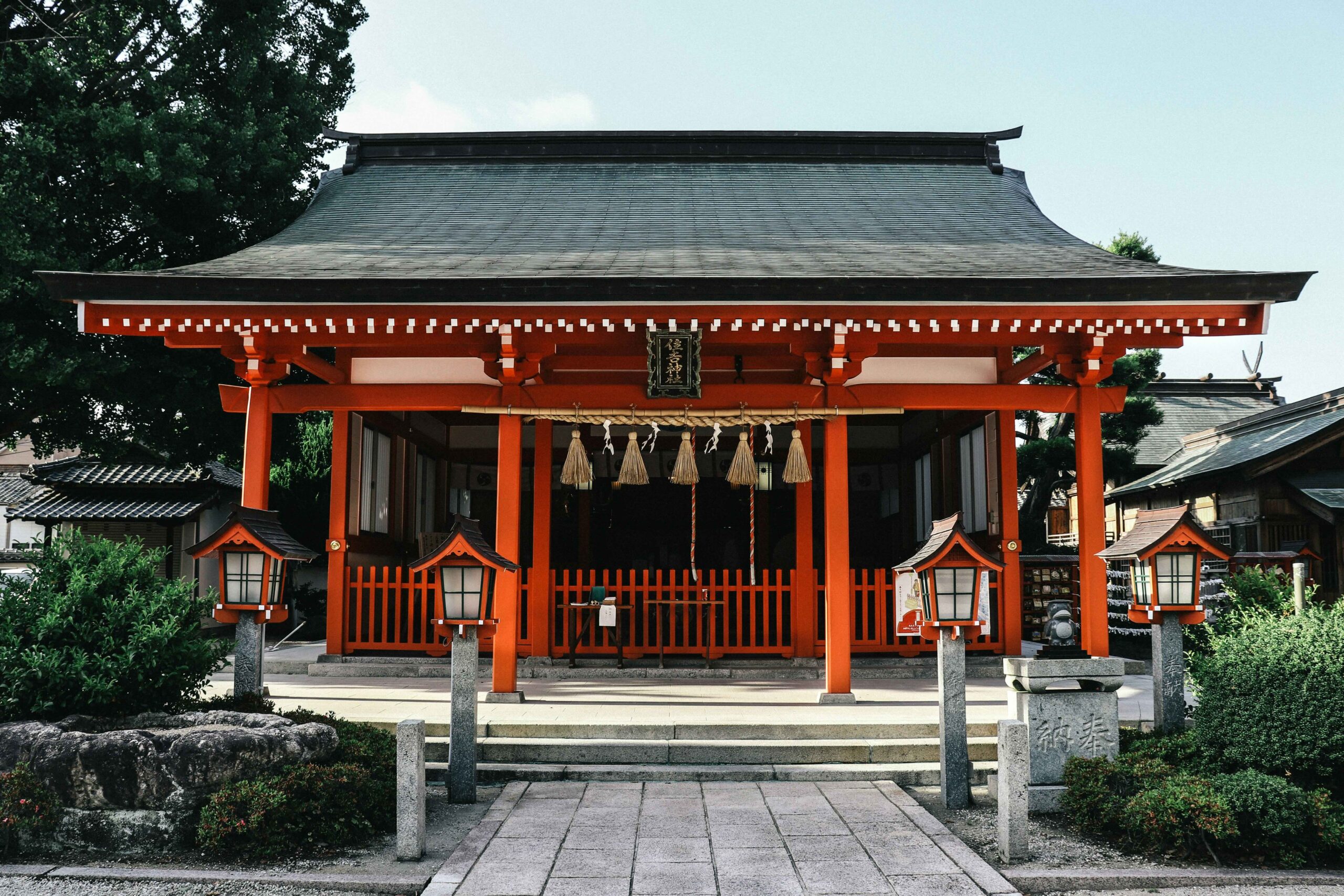
- I can share some Shinto beliefs about kami.
- I
This content is for subscribers only. Join for access today.
Religious Education Council Curriculum Framework for RE in England (non-statutory guidance):
- A3: Explore and describe
This content is for subscribers only. Join for access today.
Before the lesson
This content is for subscribers only. Join for access today.
Lesson plan
Recap and recall
Read aloud the Presentation: Speak like an expert. Pair the children. Allow time for them to share their ideas using key vocabulary.
This content is for subscribers only. Join for access today.
Extended-mode explainer videos
How to extend your display to view the lesson page and presentation mode simultaneously. Choose your operating system below to watch the video
If you need further support with extending your display,
please contact [email protected].
Extended-mode explainer video: For Mac
Extended-mode explainer video: For Windows
Adaptive teaching
Pupils needing extra support:
- Could use the Knowledge organiser to recall key vocabulary and ideas about kami and shrines by referring to definitions and images during discussion activities.
- Could be given a Sikh or Muslim response card during the Attention grabber to focus on comparing beliefs by drawing on familiar learning before exploring Shinto ideas.
- Could choose just one sticky-note question during the shrine exploration to reduce cognitive load by focusing on observation or inference rather than answering all three.
Pupils working at greater depth:
- Should consider how support from kami might differ from belief in a single, supreme God, explaining possible benefits and challenges of asking multiple kami for help.
- Should discuss why some Shinto followers might believe suffering exists, using ideas about harmony, balance and the role of kami.
- Should compare different kami and justify which would be most suitable to pray to in specific scenarios, explaining how each kami’s role links to the situation.
This content is for subscribers only. Join for access today.
Assessing progress and understanding
Pupils with secure understanding can:
- Explain some Shinto beliefs about kami.
- Make links between
This content is for subscribers only. Join for access today.
Vocabulary definitions
-
ema plaques
Small wooden plaques adorned with prayers.
-
kami
Shinto spirits, gods, deities or ancestors.
This content is for subscribers only. Join for access today.
In this unit
Assessment – R&W Y5/6: Why is there suffering? (Part 2)
Y5/6 (B): Lesson 1: What can suffering teach us about happiness?
Y5/6 (B): Lesson 2: What can cause suffering?
Lesson 3: How do some people overcome suffering?
Y5/6 (B): Lesson 4: How can Hukam help in difficult times?
Y5/6 (B): Lesson 5: Who is the best at helping?
Lesson 6: How can beliefs affect our understanding of suffering?