Y5/6 (B): Lesson 4: Why is Mary Seacole historically significant?
Using primary sources to investigate the significance of Mary Seacole.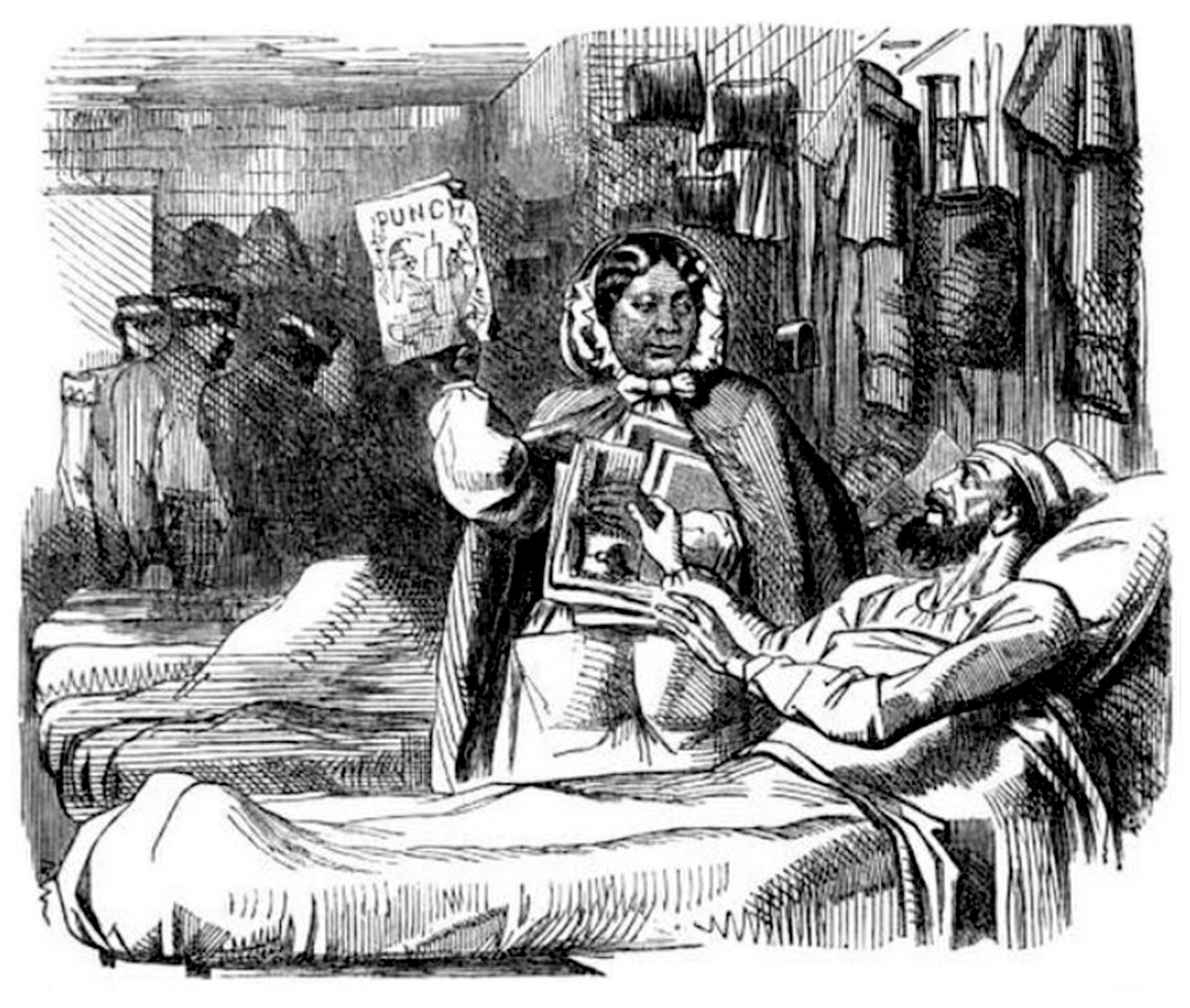
Learning objective
This content is for subscribers only. Join for access today.
Success criteria
This content is for subscribers only. Join for access today.
National curriculum
Cross-curricular links
Before the lesson
This content is for subscribers only. Join for access today.
Lesson plan
1. Recap and recall
Pair the children and show the Presentation: Fact tennis. Ask the pairs to spend one minute sharing facts about Ellen Wilkinson and Betty Boothroyd from last lesson.
This content is for subscribers only. Join for access today.
Adaptive teaching
Assessing progress and understanding
Vocabulary definitions
In this unit
Assessment – History Y5/6: Unheard historiesAssessment – History Y5/6 (B): Unheard historiesY5/6 (B): Lesson 1: Who features on banknotes and why?Y5/6 (B): Lesson 2: Was Alfred the Great or Elizabeth I the more significant monarch?Y5/6 (B): Lesson 3: How were Ellen Wilkinson and Betty Boothroyd historically significant?Y5/6 (B): Lesson 5: Why are Lily Parr and Betty Snowball historically significant?Y5/6 (B): Lesson 6: Who will be the face of the new £10 note?
Created by:

Maintained by: Kapow Primary teamLast update: 10 July 2026