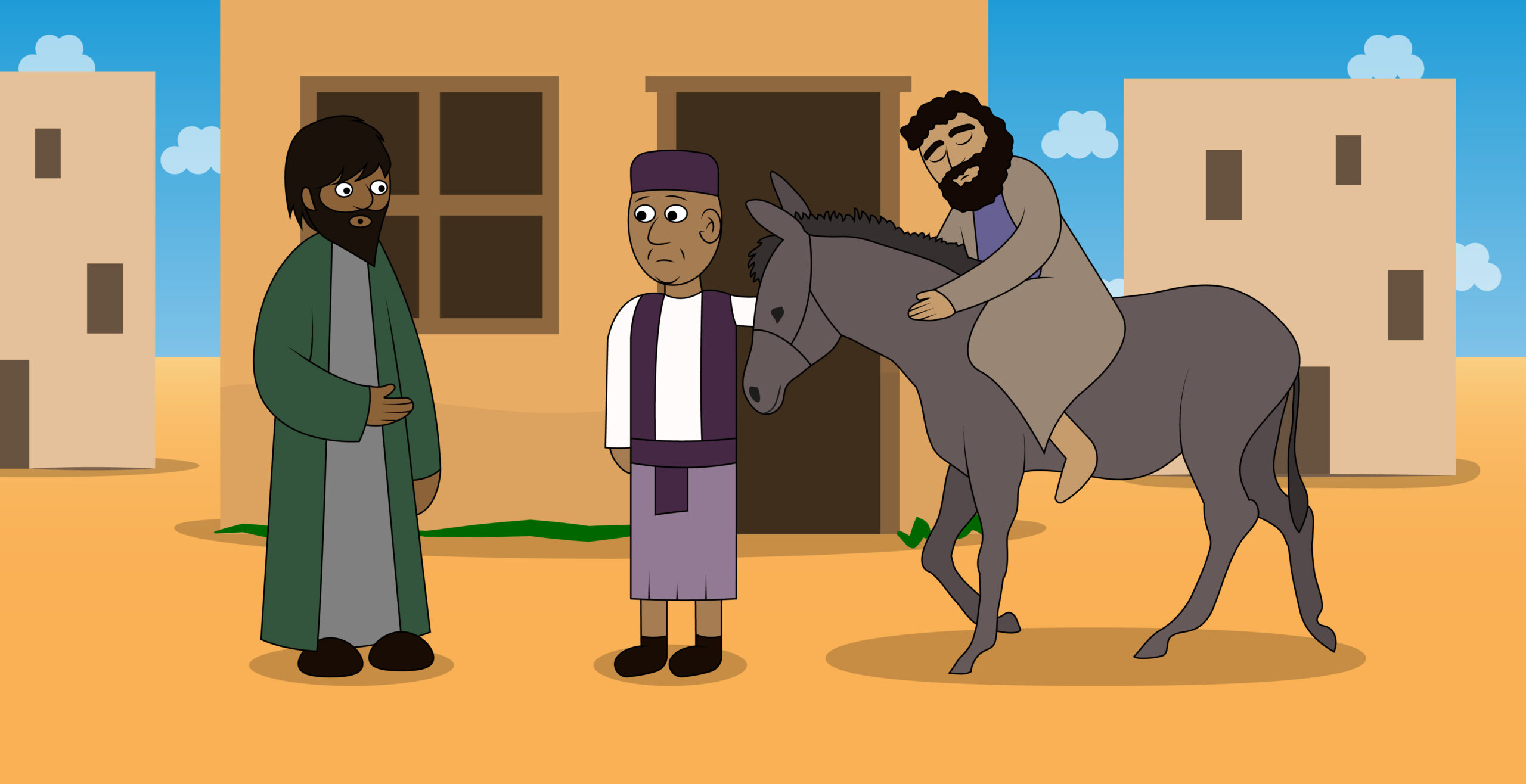
Y1/2 (B): Lesson 4: Is giving always the same?
Investigating ways of caring for others that take more effort and receive less thanks.
Learning objective
This content is for subscribers only. Join for access today.
Success criteria
This content is for subscribers only. Join for access today.
Religious Education Council Curriculum Framework for RE in England (non-statutory guidance):
Cross-curricular links
Before the lesson
This content is for subscribers only. Join for access today.
Lesson plan
1. Recap and recall
Explain to the children that they are going to be thinking about some of the words they have learnt in the previous lessons. Display the Presentation: Anagrams. Listen to the audio recording of each word and then ask the children to discuss in pairs how to rearrange the letters to make the words (Zakat, Sewa and care).
This content is for subscribers only. Join for access today.
Adaptive teaching
Assessing progress and understanding
Vocabulary definitions
In this unit
Assessment – R&W Y1/2 (B): Why should we care for others?Y1/2 (B): Lesson 1: What can we learn about caring for others from stories?Y1/2 (B): Lesson 2: Why do people care for others?Y1/2 (B): Lesson 3: How might Muslim people show it is important to care for others?Y1/2 (B): Lesson 5: Why might some Humanists choose to care for others?Y1/2 (B): Lesson 6: What inspires some people to care for others?
Created by:
Maintained by: Kapow Primary teamLast update: 27 July 2026