Lesson 1: How is the Earth constructed?
Learning about the Earth's layers and their properties, and developing an understanding of tectonic plates.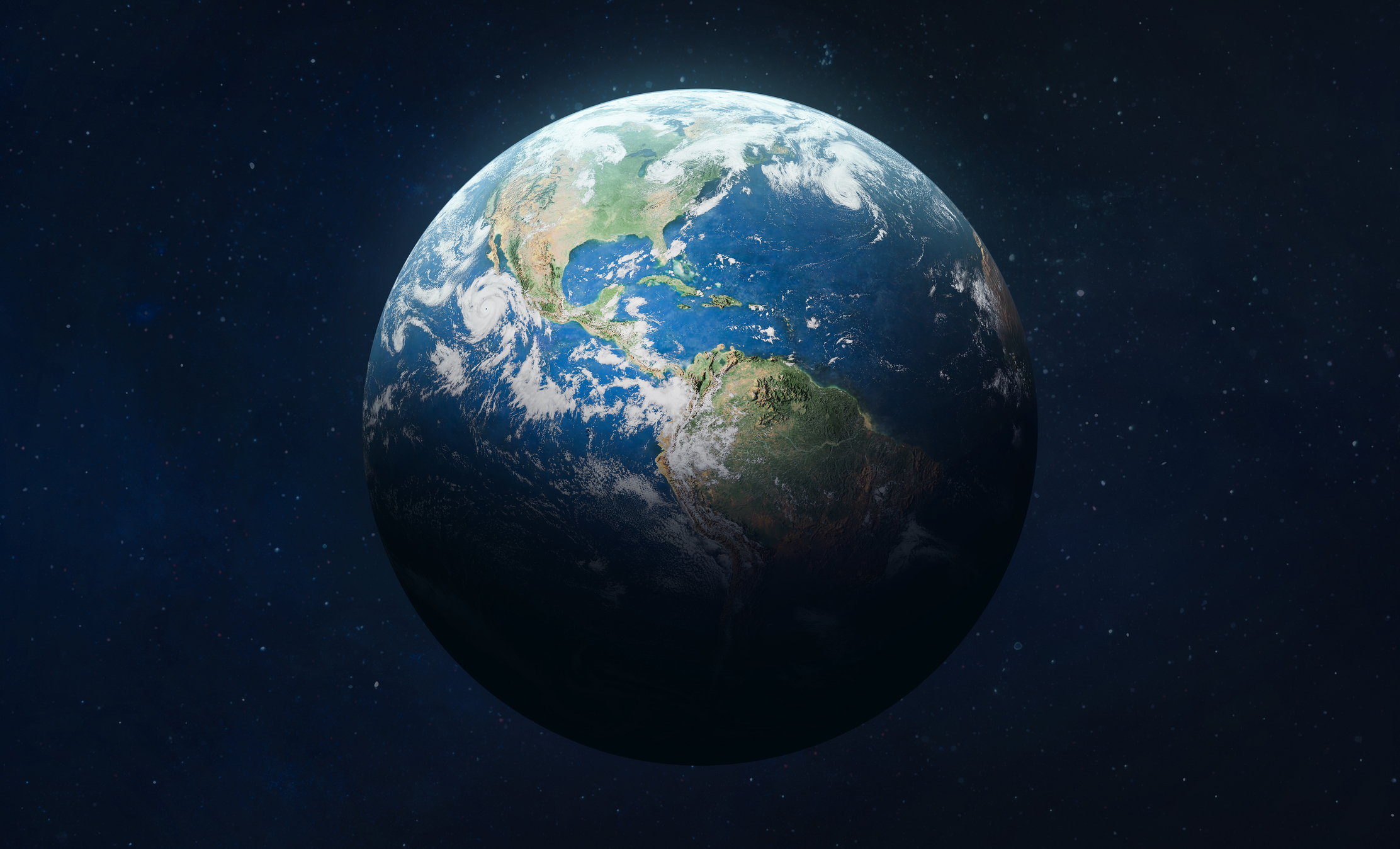
Learning objective
This content is for subscribers only. Join for access today.
Success criteria
This content is for subscribers only. Join for access today.
National curriculum
Cross-curricular links
Before the lesson
This content is for subscribers only. Join for access today.
Lesson plan
1. Recap and recall
Before starting this unit, you might want to check children can recall:
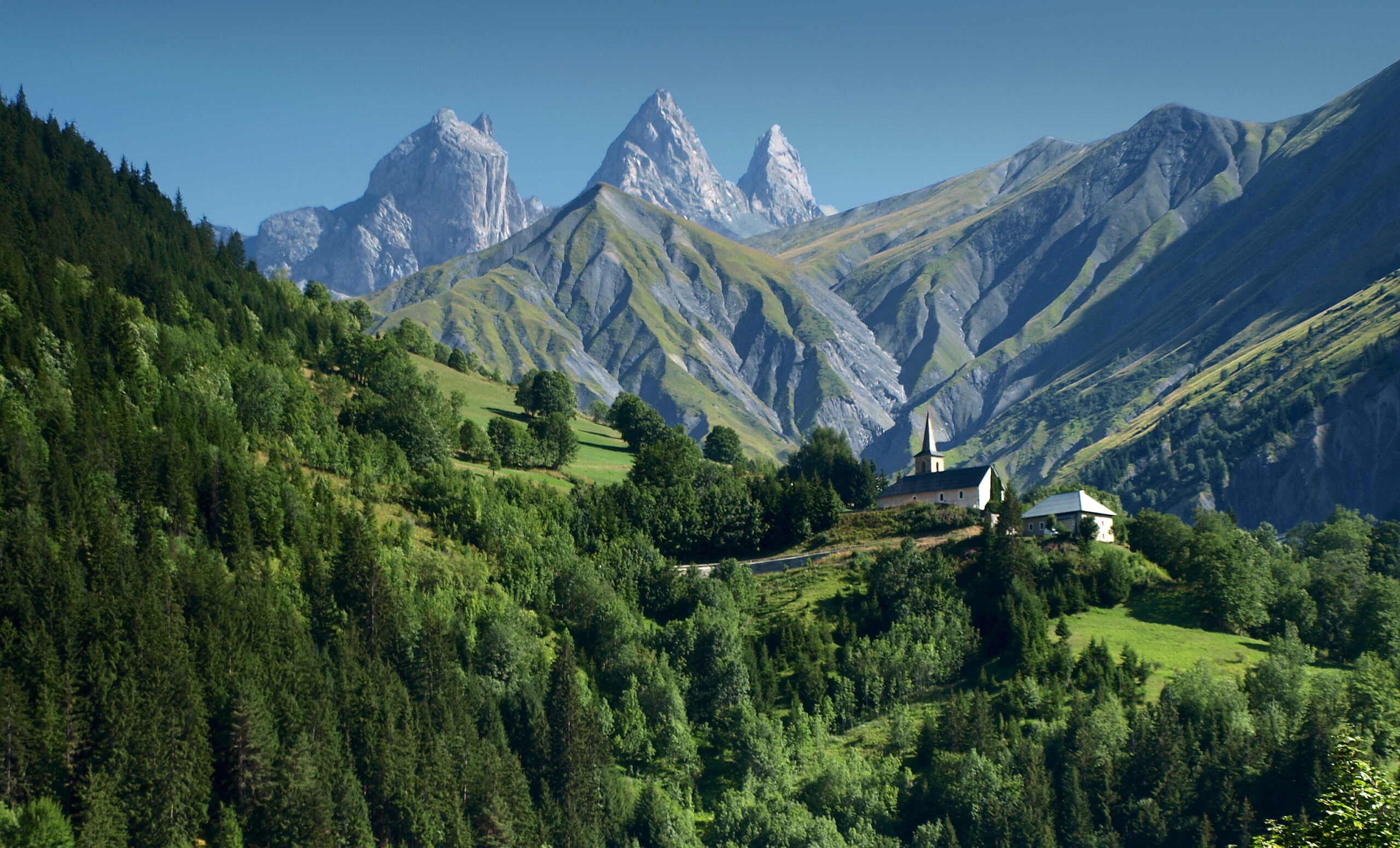
A mountain is a raised area of land, 600 m or more above sea level.
The names of any well-known mountains (e.g. Mount Everest - Himalayas, Nepal, Asia; and Kilimanjaro - Tanzania, Africa).
Human features are the characteristics of a place which are created by humans (e.g. roads, buildings).
Physical features are the characteristics of a place that occur naturally (e.g. lakes, mountains).
That features can change over time.
This content is for subscribers only. Join for access today.
Adaptive teaching
Assessing progress and understanding
Vocabulary definitions
In this unit
Assessment – Geography Y3: Why do people live near volcanoes?Lesson 2: Where are mountains found?Lesson 3: Why and where do we get volcanoes?Lesson 4: What are the effects of a volcanic eruption?Lesson 5: What are earthquakes and where do we get them?Lesson 6: Where have the rocks around school come from?
Maintained by: Kapow Primary teamLast update: 8 May 2026
Contributors
Reviewed by:
Dr Michael LeachGeography specialist