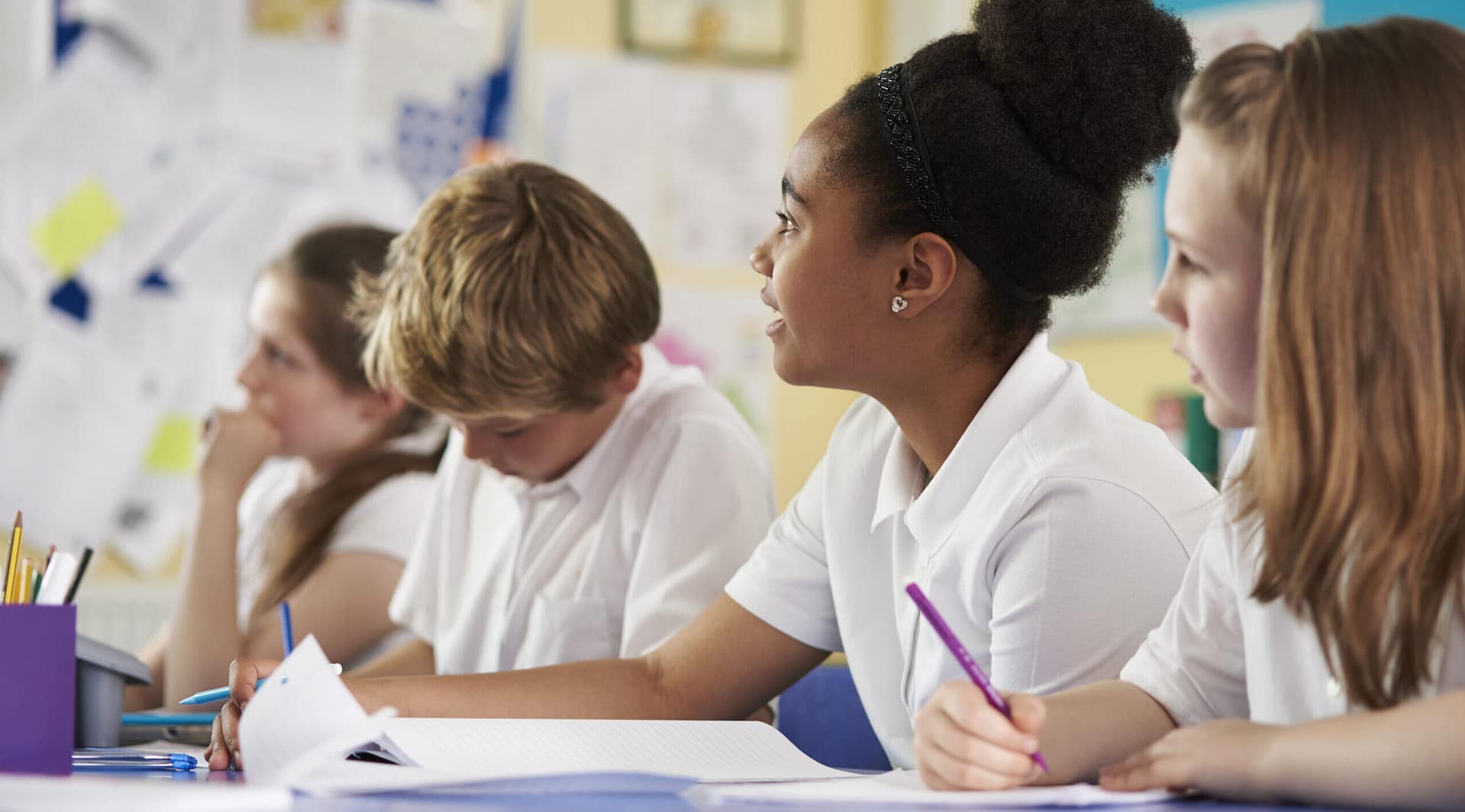
2026/27 preview
Lesson 2: How are babies made?
Describing, in simple terms, how a baby is conceived (e.g. that sexual intercourse is the way humans reproduce).
New statutory RSHE guidance is here. We’re creating our brand new RSE & PSHE scheme ready for September 2026. Learn more
This is preview content for the 2026-27 academic year. Your feedback will help us improve these units.
Learning objective
This content is for subscribers only. Join for access today.
Success criteria
This content is for subscribers only. Join for access today.
Before the lesson
This content is for subscribers only. Join for access today.
Lesson plan
1. Recap and recall
Optional: remind the children of the PSHE agreement created in Introductory lesson: Setting rules for RSE & PSHE lessons and recap the agreed rules. If needed, upload an image of the agreement to the Presentation: PSHE agreement.
This content is for subscribers only. Join for access today.
In this unit
Assessment – RSE & PSHE Y6: How do people become parents and carers?Lesson 1: Which words can we use to describe our private body parts?Lesson 3: What happens in pregnancy and how are babies born?Lesson 4: How are families formed?Lesson 5: How does life change after having a baby?Lesson 6: What is consent?
Created by:

Maintained by: Kapow Primary teamLast update: 27 March 2026