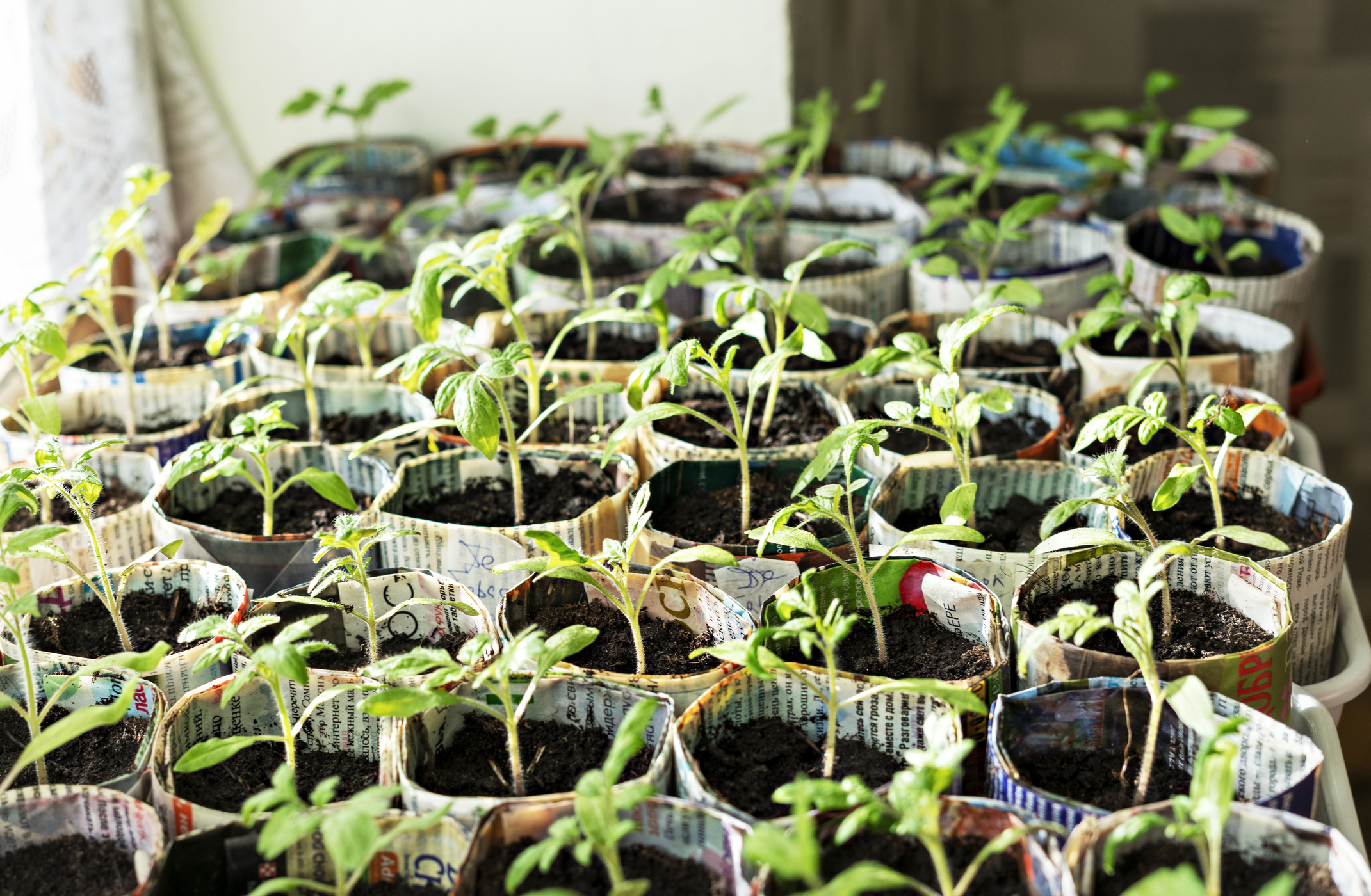
Y5/6 (B): Lesson 1: Investigating plant growth - Planning
Applying knowledge of plant growth to plan an investigation into the response of plants to directional light. This lesson is part of the mixed-age scheme.
Learning objectives
This content is for subscribers only. Join for access today.
Success criteria
This content is for subscribers only. Join for access today.
National curriculum
Cross-curricular links
Before the lesson
This content is for subscribers only. Join for access today.
Lesson plan
Arrange the class into groups of six and provide each group with six whiteboards, six pens and the Resource: Plant life cycle poster.
Inform the class that they will make a giant life cycle:
Ask the groups to write each stage on a whiteboard and order the stages to create a cycle.
Instruct the groups to assign one stage of the plant lifecycle to each group member.
Direct them each to stand with their assigned lifecycle stage and act out what they think happens at each life cycle stage.
Allow time for all the groups to complete the life cycles and then select one or two groups to act out their life cycle (naming the stages before each action), correcting any mistakes when necessary. Pause at the best example and use it to explain the plant life cycle:
- Seed stage: the life cycle begins with a seed, which contains the offspring of the parent plant.
- Germination stage: the seed absorbs water and begins to sprout, emerging from the soil as a small shoot.
- Seedling stage: the shoot develops into a seedling, growing roots for water and nutrients and leaves for absorbing light.
- Leaf growing stage: the plant continues to grow, developing more leaves that enable it to gather more sunlight and grow larger.
- Flowering stage: produces flowers, which are the plant's reproductive structures.
- Pollination stage: pollen made by the male part of the flower is transferred to the female part, often with the help of wind, insects or animals, leading to fertilisation (more about this later).
- Back to seed stage: after fertilisation, the flowers develop into fruits or seed pods, which contain the new seeds, and the cycle begins again.
This content is for subscribers only. Join for access today.
Adaptive teaching
Assessing progress and understanding
Vocabulary definitions