Year 3/4 (B): Lesson 1: What is the water cycle?
Learning how the water cycle works.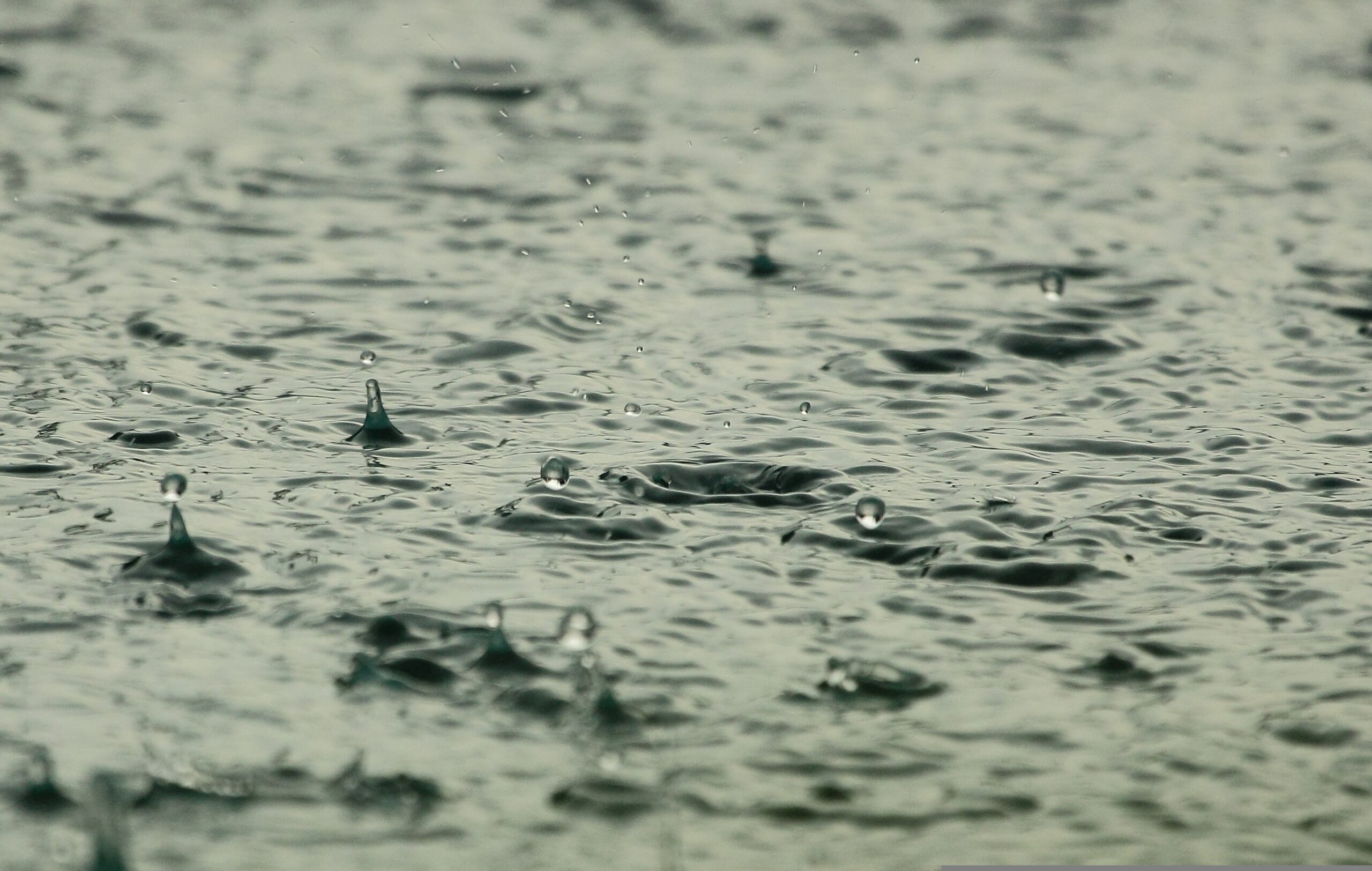
Learning objective
This content is for subscribers only. Join for access today.
Success criteria
This content is for subscribers only. Join for access today.
National curriculum
Cross-curricular links
Before the lesson
This content is for subscribers only. Join for access today.
Lesson plan
1. Recap and recall
Before starting this unit you might want to check children can recall:
Where water can be found (e.g. rain, rivers, lakes, ponds, seas, oceans, reservoirs and from taps).
Why water is important (e.g. drinking, washing, leisure activities, such as swimming, sailing or fishing and transport, as a natural habitat for plants and animals, it is vital for all life on Earth).
This content is for subscribers only. Join for access today.
Adaptive teaching
Assessing progress and understanding
Vocabulary definitions
In this unit
Assessment – Geography Y3/4 (B): What are rivers and how are they used?Year 3/4 (B): Lesson 2: How is a river formed?Year 3/4 (B): Lesson 3: Where can we find rivers?Year 3/4 (B): Lesson 4: How are rivers used?Year 3/4 (B): Lesson 5: What can we find out about our local river?Year 3/4 (B): Lesson 6: What features does our local river have?
Created by:
Maintained by: Kapow Primary teamLast update: 10 July 2026